


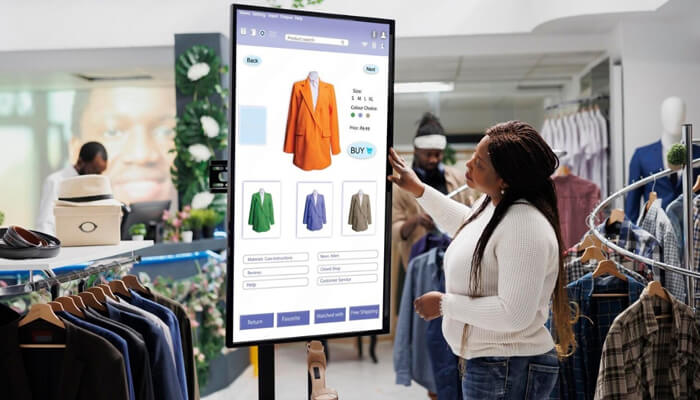

The digital storefront has evolved far beyond a basic product catalog. In today’s hyper-competitive e-commerce ecosystem, elite store design serves as a brand’s primary storyteller, flagship location, and conversion engine all in one. Achieving the perfect balance between beautiful visual branding and technical performance requires a deep understanding of user psychology, system architecture, and conversion rate optimization (CRO).
Launching a beautiful Shopify store is relatively simple today, thanks to an abundance of pre-made templates and intuitive drag-and-drop interfaces. However, scaling a brand to seven, eight, or nine figures demands something far more robust than a generic theme out of the box.
When your business grows, micro-inefficiencies in your user interface begin to leak massive amounts of revenue. A slightly confusing navigation menu or a subtle delay in mobile page speeds can quietly alienate thousands of potential buyers. This inflection point is precisely why scaling brands inevitably transition away from standard setups and partner with a specialized Shopify store design agency to build tailored, high-converting customer experiences that align with their distinct business objectives.
The Core Pillars of High-Converting Storefront Architecture
Elite design is never merely cosmetic; it acts as a functional map guiding a user from curiosity to purchase. Professional agencies approach design through a scientific lens, focusing on structural fundamentals that directly influence human behavior and platform performance.
1. Mobile-First Ergonomics
Over 70% of modern e-commerce traffic originates from mobile devices. Despite this data, many stores are still built on desktops and scaled down as an afterthought. Expert design teams construct interfaces around “the thumb zone”—placing critical navigation elements, filter menus, and call-to-action buttons within easy, natural reach of a user’s thumb. This strategy drastically reduces browsing friction and micro-frustrations during mobile shopping sessions.

2. Cognitive Load Reduction
When consumers are presented with too many choices, complex navigation systems, or cluttered product detail pages (PDPs), they experience decision fatigue. This phenomenon often leads to cart abandonment. Strategic layout design simplifies this process by establishing a clear visual hierarchy, grouping products into intuitive categories, and leveraging clean white space to guide the eye toward the most critical piece of information on the screen: the “Add to Cart” button.
3. Blazing-Fast Page Performance
A stunning layout loses all its value if customers bounce before the page loads. High-end design agencies ensure that rich imagery, video elements, and custom features are implemented using optimized code structures. They clean up redundant scripts, leverage lightweight asset delivery systems, and carefully structure the critical rendering path to maintain an ultra-fast loading experience.
Technical Personalization vs. Off-the-Shelf Themes
While premium themes provide a helpful starting point for new businesses, they inherently come with limitations. They are built to appeal to the masses, which means they are frequently bloated with unnecessary code and features you will never use.
When you work with a specialized development team, the entire code architecture is streamlined, lightweight, and custom-written for your specific needs. Instead of generic grid layouts that make your brand feel identical to competitors, you receive an entirely bespoke visual styling tailored to your strict brand guidelines.
Furthermore, standard setups often rely heavily on third-party applications for basic tasks like custom tabs, simple swatches, or basic upsells, which severely degrades site speed over time. An agency bypasses this issue by hardcoding these features directly into your store’s theme architecture. This creates a highly polished, unified ecosystem that runs smoothly, handles global scaling natively, and stands ready for advanced configurations like multi-currency or headless commerce expansions.
Bridging the Gap: Where Brand Psychology Meets Data
The ultimate goal of agency collaboration is to transform your brand’s abstract story into an immersive digital environment that generates measurable revenue. This relies on merging emotional design elements with hard data metrics.
The 3-Second Credibility Rule: Consumers form an opinion about an online store’s trustworthiness within the first three seconds of a page load. High-resolution imagery, intentional typography, and a polished interface act as immediate, visual trust signals that validate your price points before the customer even reads a line of copy.
Beyond initial aesthetics, agency teams rely heavily on data tracking tools like heatmaps, session recordings, and comprehensive A/B testing to observe exactly how users interact with live layouts. If data reveals that users consistently abandon a page at the midpoint of a product description, the team restructures the information layout, moving key social proof or sizing charts higher up to resolve customer hesitation points in real time.
Final Thoughts
Design is a foundational investment in your business infrastructure that dictates how efficiently every single marketing dollar performs. If your Facebook ads, influencer campaigns, or search engine optimization efforts are driving traffic to a clunky, generic storefront, you are leaving substantial revenue on the table.
By prioritizing crisp mobile layout structures, eliminating decision fatigue, and building a tailored technical foundation, you transform your website from a passive product catalog into an active sales asset. In the modern retail landscape, the brands that win are those that provide the most seamless, memorable, and friction-free path to purchase.
