



Eleven dollars for a jar of mango pickle is nothing. Eleven dollars for a jar you cannot legally restock is a business problem.
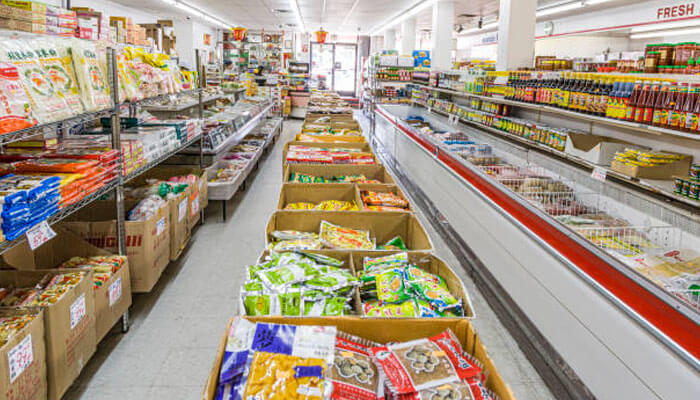
Walk into any Indian grocery store in Edison or Sunnyvale on a Saturday and you’ll see the restocking list working in real time. The aisle that runs out of paneer is the aisle the owner is already thinking about on Monday morning. Which supplier, which form, which arrival window, and what it costs to get the product back on the shelf before the next weekend rush. That math sits underneath every Indian grocery store in America, and it’s gotten a lot more interesting over the past decade as the customer base has grown, changed, and started buying differently.
Before we get into the economics, it’s worth flagging something that surprises most new store owners: the sourcing relationship with India is not the hard part. The hard part is understanding that a shipment of personal goods from a family member and a commercial shipment of packaged food are governed by different rules, different paperwork, and different arrival timelines. The courier cost from usa to india is only one line in a much bigger spreadsheet, and store owners who treat it that way tend to sleep better during Diwali season.
What actually changed in the past decade
The South Asian diaspora in the US has grown steadily, and with it the demand for the food that diaspora grew up eating. According to the U.S. Census Bureau, the Asian American population is one of the fastest-growing demographic groups in the country. That’s a broad trend, not a prediction about any single store, but it explains why so many small Indian groceries have gone from one or two locations in a metro area to five or six with dedicated distribution.
The customer has also changed. The family that used to make a monthly trip to a big-box Indian grocery now orders online for pantry staples and visits the small neighborhood store for fresh paneer, fresh roti, and the specific snack brand their kids prefer. That shift means inventory turns faster on fresh items and slower on shelf-stable ones, which changes the ordering rhythm. Stores that haven’t updated their ordering rhythm for that shift are usually the ones complaining about dead stock in the back.
Why the restock decisions matter more than margins
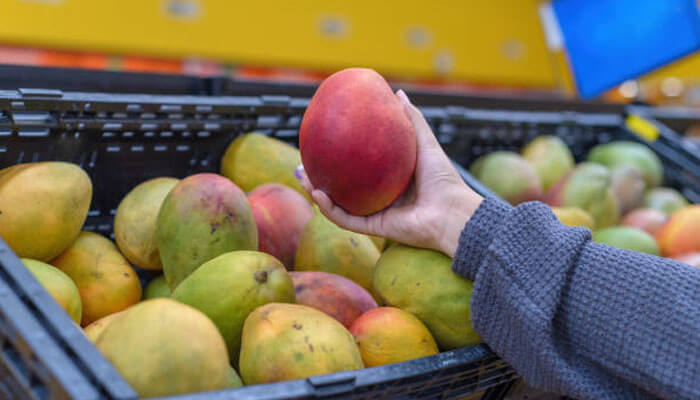
Here’s the thing most people miss when they look at the grocery business: the profit isn’t made on the sale, it’s made on the timing. Buy mango pulp in January when nobody thinks about mango pulp and you pay one price. Buy it in April before the mango season scramble and you pay a different one. Multiply that gap across 400 SKUs and it starts to matter.
For stores doing their own importing, the timing decision runs through customs clearance, FDA prior notice, and ocean versus air freight choices. Ocean is cheap and slow. Air is fast and expensive. The right answer changes month to month, and the store owner who builds a small decision rule around it usually eats less of the freight cost as inventory markdown.
A supplier checklist you can run in one afternoon
If you’re running a South Asian grocery and want to make your restocking less painful, work through this. It’s the list I’d hand a new owner on day one.
- Which SKUs have sold out at least three times in the last ninety days, and why
- Which items you’re importing yourself versus buying from a US distributor, and where the crossover pain point sits
- For each import item, what the FDA prior notice timeline looks like in a normal month versus before a major festival
- Which suppliers offer delivery windows you can actually book, not just quotes
- What your cash conversion cycle looks like on a slow mover versus a fast one
- Whether your freight cost per shelf-ready unit is measured per case or per pallet
That last point trips up more owners than any other. A case-rate quote on a pallet you only half fill can look reasonable and be terrible on a per-unit basis. Measure the pallet, then measure the case. The U.S. Small Business Administration has background on working capital and inventory financing that’s worth building into your restock planning.
The freight decision, in the owner’s own arithmetic
Let’s use a concrete scenario. A store owner in New Jersey stocks a specific brand of ready-to-eat curry pouches that only comes from a supplier in Gujarat. Monthly demand is 60 cases. Air freight from the supplier port to Newark gets the shipment in nine days at one rate. Ocean gets it in five to six weeks at a smaller rate. The owner runs the math once and notices something: air freight, in her situation, only works for the SKUs where stockouts cost her more than the difference in freight. For everything else, ocean lets her buy in larger quantities and pay for storage instead of speed.
That’s the kind of call you can’t outsource to a spreadsheet template. It depends on how big your backroom is, whether you carry a house brand, how fast your customer base turns over, and whether there’s a competing store within walking distance. I’d pick ocean for shelf-stable, air for anything fresh or seasonal, and a hybrid for the two or three SKUs customers ask about by name. Your store probably has a different answer, and that’s fine.
Frequently asked by new store owners
Do I have to be an importer to run an Indian grocery?
No. Plenty of stores buy from US distributors and skip the import paperwork entirely. You give up margin, and you gain a lot of simplicity. For a single-location store, that trade is often correct.
Is the freight cost the biggest line item?
Rarely. Rent, payroll, spoilage, and dead stock usually outrank freight. Freight is just the easiest line item to blame when someone feels the pinch, because it’s the one that shows up on a recognizable invoice.
Where the small stores still win
Chain Indian groceries have scale, buying power, and shelf space that a corner store can’t match. They also have slow decision-making and standardized inventories that can’t respond when a neighborhood shifts. The single-location store that carries the specific ghee brand a customer’s mother used wins on the product decision. The store that restocks faster than the chain down the street wins on the operational decision. Neither of those requires deep pockets. Both require owner attention.
The next time you’re in an Indian grocery looking for the one item they’re out of, ask the owner how they order it. The answer will tell you more about how small business is actually working in America than any conference panel on retail trends ever will.
