




Anesthesia is meant to keep patients safe and comfortable during every surgery. Most surgical procedures go smoothly, but common anesthesia errors can occur and sometimes cause serious harm, ranging from brain injury to lasting chronic pain. These mistakes may happen more often than patients realize, and warning signs can sometimes appear quickly. Patients also have legal rights after surgery, and understanding those rights matters as much as recognizing the risks. The following sections explain anesthesia mistakes that patients and their families need to identify quickly.
Recognizing Anesthesia Awareness During Surgery
Anesthesia awareness happens when a patient unexpectedly wakes up during a major surgical procedure. Pain or intense pressure sometimes breaks through anesthesia while the body stays frozen in place. Weisser Law Attorneysin Florida built its practice on trial experience specific to anesthesia malpractice claims. This traumatic experience can often lead to lasting anxiety and severe post traumatic stress. Improper dosing or faulty equipment often causes this frightening and rare type of error. An attorney at Weisser Law offers guidance on anesthesia claims and clearly explains your legal options.
Improper Dosage and Medication Mistakes
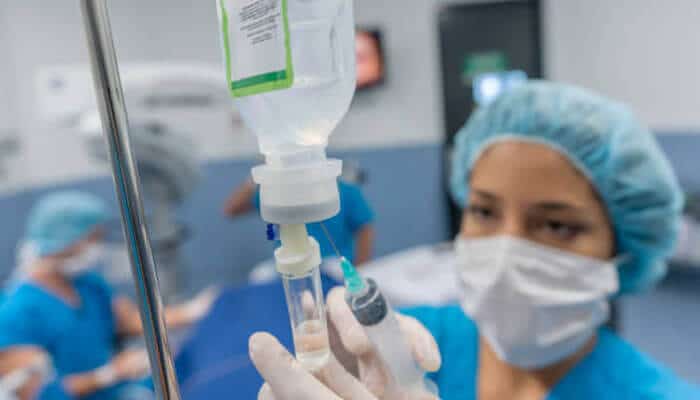
Anesthesia doses that run too high or too low put surgical patients at serious risk.Overdoses can quickly slow both breathing and heart rate down to dangerously low levels. Underdosing can also lead to the frightening awareness problems described earlier in this guide. Medication mix ups can happen when two very similar looking drugs get easily confused. Doctors weigh a patient’s size and age, then review the full medical history before choosing a dose. Careful calculations paired with simple double checks can prevent most of these avoidable mistakes.
Failure to Monitor Vital Signs
During surgery, an anesthesiologist tracks heart rate and oxygen levels while watching blood pressure just as closely. A single brief lapse in careful monitoring can allow serious problems to go unnoticed. Low oxygen levels for even a short time can cause permanent lasting brain damage. Distractions inside a busy operating room can raise the risk of missed warning signs. Modern monitors certainly help a great deal, but they still require constant human attention. The surgical team keeps a close watch on the patient from the first incision to the last stitch.
Equipment Failures in the Operating Room
Anesthesia machines and monitors can sometimes fail suddenly without giving any obvious warning sign. A single broken ventilator can quickly cut off a patient’s entire vital oxygen supply. Faulty gas lines may accidentally deliver the completely wrong gas mixture during any surgery. Regular equipment checks performed carefully before surgery can catch many hidden problems very early. Hospitals face legal liability when they let equipment fall into disrepair. When equipment fails during surgery, patients suffer harm that proper maintenance would have prevented.
Long Term Effects of Anesthesia Errors
Anesthesia mistakes can leave lasting physical and emotional scars behind for many surgical patients. For some patients, pain turns chronic, memory grows foggy, or nerve damage lingers for months. Anxiety and post-traumatic stress follow other patients for months after their surgery ends. Work suffers, family relationships strain, and daily routines fall apart when the effects continue for months. Medical bills and ongoing therapy sessions often create serious added financial strain over time. Full recovery can take many months or even several years depending on the severity.
Anesthesia errors happen rarely, but the fallout can devastate a family for years. If something felt wrong after your surgery, trust that instinct fully and speak up. Ask your medical team detailed questions and request a copy of your full records. A second opinion from another trusted doctor can help clarify what actually went wrong. You deserve honest answers about your care and a clear plan for what comes next. A single conversation often brings relief during an otherwise difficult time.
