



Justin Brigham helped transform Sycamore Brewing from a neighborhood craft brewery into one of Charlotte’s most recognizable beer businesses. However, his arrest in December 2025 on serious criminal allegations triggered a controversy that disrupted the company’s operations, damaged retailer relationships, and changed its future.
Within weeks, Sycamore beer disappeared from major retailers, measured weekly retail sales dropped sharply, and the company’s South End taproom closed. By March 2026, the former Sycamore location had reopened under a different identity: Club West Brewing.
The story of Justin Brigham involves more than criminal proceedings. It also raises important questions about business ownership, founder reputation, corporate restructuring, employee livelihoods, and whether a damaged brand can successfully rebuild customer trust.
This article examines the verified timeline, legal developments, Sycamore Brewing’s financial difficulties, and the transformation into Club West through October 2026.
Quick Answer: Justin Brigham
Justin Brigham is the former co-founder of Sycamore Brewing in Charlotte, North Carolina. He was arrested on December 11, 2025, and indicted on nine felony counts in March 2026. After significant public backlash, Sycamore closed its South End taproom and reopened as Club West Brewing on March 14, 2026.
A sale to brewery executive Brad Bergman was announced, although the final equity ownership structure remains unconfirmed in the public records reviewed.
Who Is Justin Brigham?
Justin Tawse Brigham is an American brewery entrepreneur best known for co-founding Sycamore Brewing with Sarah Taylor, formerly Sarah Brigham. The Charlotte-based company began in 2013 and opened its original taproom in November 2014. Over the following decade, Sycamore grew into an established regional craft beer business with popular products, a large South End venue, and distribution across several states.
Before the controversy, Brigham’s professional identity was closely connected to the brewery’s development and expansion. Sycamore became especially well known for its outdoor gathering spaces, entertainment, and Mountain Candy IPA.
Following his December 2025 arrest, Sarah Taylor announced that Brigham would no longer participate in the company’s management or operations.
Justin Brigham at a Glance
| Detail | Information |
| Full name | Justin Tawse Brigham |
| Known for | Co-founding Sycamore Brewing |
| Business location | Charlotte, North Carolina |
| Co-founder | Sarah Taylor |
| Brewery established | 2013 |
| Original taproom opened | November 2014 |
| Former business | Sycamore Brewing |
| Arrest date | December 11, 2025 |
| Reported legal proceedings | Nine felony indictments in March 2026 |
| Rebranded brewery | Club West Brewing |
| Reported management status | Removed from operations after his arrest |
Reliable public information about Brigham’s earlier education, unrelated professional activities, and personal background is limited. His connection to Sycamore Brewing remains the principal reason for his public profile.
How Justin Brigham Helped Build Sycamore Brewing
The business history of Justin Brigham is closely connected to Charlotte’s rapid craft beer expansion. Sycamore Brewing opened its original taproom at 2161 Hawkins Street in South End, a neighborhood undergoing significant commercial and residential development.
Rather than operating exclusively as a beer manufacturing facility, the company created a social environment that combined craft beer, live entertainment, food trucks, and outdoor gatherings. This approach helped Sycamore establish a loyal local audience while developing its brewing operations.
From a Small Taproom to a Regional Beer Brand
Sycamore gradually expanded beyond its original neighborhood customer base. Mountain Candy IPA became one of its most recognizable products, strengthening the brewery’s position in grocery stores, restaurants, bars, and specialty retailers. Retail distribution allowed the company to reach consumers throughout the Carolinas and other regional markets.
By late 2025, Sycamore reportedly distributed its products across seven states. This expansion meant that the brewery’s reputation had commercial value far beyond the customers who visited its South End location.
Sycamore’s Major Expansion in 2023
In May 2023, Sycamore opened a larger taproom at 2151 Hawkins Street. The approximately 21,000-square-foot facility featured two stories, indoor and outdoor seating, food service, coffee offerings, and entertainment areas.
The location became part of The Line, a major mixed-use development in Charlotte’s South End neighborhood. According to Charlotte Magazine’s coverage of Sycamore’s expansion, the facility represented a substantial investment in the company’s hospitality business.
The expansion allowed Sycamore to serve more customers and diversify its revenue beyond packaged beer. However, the company’s strong public recognition also made its commercial relationships vulnerable when serious allegations involving a co-founder emerged.
What Happened to Justin Brigham in December 2025?
Justin Brigham was arrested in Stanly County, North Carolina, on December 11, 2025. According to investigators and court documents described by local news organizations, he was accused of entering a residence in Stanfield on December 10 and sexually assaulting a 13-year-old girl.
Investigators also alleged that electronic communications had taken place before the incident. The initial allegations resulted in charges including statutory rape of a child under 15, first-degree burglary, and indecent liberties with a child.
The arrest attracted extensive regional attention because of Brigham’s connection to one of Charlotte’s prominent independent breweries. Additional criminal charges were subsequently filed as the investigation continued.
What Criminal Charges Did Justin Brigham Face?
On March 2, 2026, a Stanly County grand jury indicted Brigham on nine felony counts.
According to The Charlotte Observer’s March 2026 reporting, the indictments included:
- Statutory rape of a child under 15
- First-degree burglary and indecent liberties with a child
- Three counts of statutory sex offense involving a child under 15
- Second-degree sexual exploitation of a minor
- Solicitation of a child by computer
- Assault inflicting serious bodily injury
An indictment means a grand jury has determined that sufficient grounds exist for a criminal prosecution to proceed. It does not establish guilt.
The allegations against Justin Brigham remain distinct from a criminal conviction. He is presumed innocent unless proven guilty in court. The allegations also do not establish wrongdoing by Sycamore Brewing’s employees or its subsequent management.
Justin Brigham Court Case: Latest Verified Status
The criminal proceedings involving Justin Brigham continued into 2026. Following the March indictments, a hearing took place on March 30 in Stanly County Superior Court.
His defense attorney, Missy Owen, appeared before the court and explained that the case remained in the discovery stage. Discovery involves reviewing and exchanging evidence relevant to the prosecution and defense before subsequent proceedings.
According to The Charlotte Observer’s March 30 report, Brigham remained in custody at the time, had not entered a plea, and was expected to have another administrative court appearance in July.
Has the Criminal Case Been Resolved?
The March 30, 2026 hearing is the latest proceeding independently verified through the published reporting reviewed for this article. As of the October 12, 2026 research update, a subsequent final verdict, plea agreement, or dismissal had not been reliably confirmed.
This does not establish that no additional hearings occurred. Readers looking for official developments can consult the North Carolina Judicial Branch’s court records guidance.
Searches should use the reported full name, Justin Tawse Brigham, and the relevant jurisdiction, Stanly County. Official court records are preferable to speculation or articles repeating earlier information without identifying subsequent legal developments.
Justin Brigham and Sycamore Brewing: Complete Timeline
The transformation of Sycamore Brewing unfolded over several months. The timeline below separates the principal legal developments from the company’s business decisions.
| Date | Major development |
| 2013 | Justin Brigham and Sarah Taylor establish Sycamore Brewing. |
| November 2014 | The original South End taproom opens. |
| November 2022 | Sycamore opens a branded location at Charlotte Douglas International Airport. |
| May 2023 | Sycamore opens its larger Hawkins Street facility. |
| December 11, 2025 | Brigham is arrested in Stanly County. |
| December 2025 | Major retailers begin withdrawing Sycamore beer products. |
| December 2025 | The airport announces a transition away from the Sycamore brand. |
| January 5, 2026 | Sycamore temporarily closes its South End taproom. |
| January 7, 2026 | Sycamore Brewing LLC changes its name to Club West Brewing LLC. |
| January 2026 | The planned Cotswold expansion is abandoned. |
| March 2, 2026 | A grand jury indicts Brigham on nine felony counts. |
| March 12, 2026 | Sarah Taylor announces an agreement to sell Club West to Brad Bergman. |
| March 14, 2026 | Club West Brewing reopens in South End. |
| March 30, 2026 | A criminal court hearing takes place. |
| June 2026 | A $500 regulatory settlement involving Club West is reported. |
| July 2026 | Club West confirms layoffs related to distribution difficulties. |
These developments show that Sycamore’s rebranding was part of a wider business restructuring rather than an isolated marketing decision.
How the Justin Brigham Allegations Affected Sycamore Brewing
The allegations involving Justin Brigham quickly became a major business crisis for Sycamore Brewing. For more than a decade, the brewery had invested in customer relationships, product recognition, and retail distribution.
However, several grocery chains, restaurants, and bars stopped carrying Sycamore products shortly after the arrest. According to WFAE’s December 18, 2025 report, retailers including Publix, Food Lion, and Whole Foods were among the businesses withdrawing the beer.
These commercial decisions affected Sycamore’s ability to reach customers beyond its physical taproom. For a brewery with an established wholesale network, losing retail partners can create immediate pressure on sales, production, and inventory management.
Sycamore Brewing Sales Dropped 85% in One Week
One of the clearest measures of the controversy’s financial impact appeared in retail sales data published in January 2026.
According to The Charlotte Ledger, market research company Circana reported that Sycamore beer sales at grocery and convenience stores in North Carolina and South Carolina declined sharply after the allegations became public.
| Week beginning | Year-over-year retail sales change |
| November 17, 2025 | -5% |
| November 24, 2025 | -6% |
| December 1, 2025 | 0% |
| December 8, 2025 | -43% |
| December 15, 2025 | -85% |
During the week beginning December 15, measured sales totaled slightly more than $31,000, compared with approximately $206,000 during the corresponding week in 2024.
That represented a decline of roughly $175,000 in the measured retail channel.
These figures describe specific grocery and convenience-store sales in the Carolinas. They do not represent Sycamore’s total revenue, annual profit, or complete financial losses.
Nevertheless, the decline demonstrates how rapidly retailers and consumers responded to the controversy.
Why the Sales Collapse Mattered
Sycamore’s regional distribution network had taken years to develop. Its beer products depended on retailers, wholesalers, restaurants, and other commercial partners to reach customers.
When those businesses withdrew support, Sycamore lost access to important sales channels. The case illustrates how a reputational crisis involving an individual associated with a company can have commercial consequences for the wider organization.
It also demonstrates why rebuilding a retail distribution business may be more difficult than reopening a physical location.
Why Did Sycamore Brewing Close in January 2026?
The business controversy following the Justin Brigham arrest contributed to a period of major operational uncertainty for Sycamore. The company temporarily closed its South End taproom on January 5, 2026.
Sarah Taylor had announced the decision in late December, explaining that the business needed time to address the situation and reconsider the future of its community space.
The closure followed declining customer activity, retailer withdrawals, and widespread public attention. Although initially described as temporary, the taproom did not return under its former Sycamore identity. Instead, the company reopened with a new name, updated branding, and revised leadership arrangements.
What Happened to Sycamore’s Planned Cotswold Expansion?
Before the controversy, Sycamore had planned another Charlotte location at Cotswold Village. The proposed venue included approximately 7,000 square feet of indoor space and a 10,000-square-foot outdoor beer garden.
It was designed to provide another gathering destination outside South End. However, the project did not move forward.
According to Axios Charlotte’s January 15, 2026 report, the brewery’s lease for the development had been terminated. Commercial real estate representatives began looking for another food-and-beverage tenant.
The reporting did not conclusively establish every contractual reason for the termination. Nevertheless, the canceled project removed a potential source of future revenue and expansion.
Why Did Charlotte Douglas Airport Remove the Sycamore Brand?
Sycamore also had a branded restaurant and bar in Concourse E at Charlotte Douglas International Airport. The location opened in November 2022 and introduced the brewery to travelers passing through Charlotte.
Following the controversy, airport officials announced that the location would transition to another concept. According to Axios Charlotte’s December 2025 reporting, the airport intended to keep the physical restaurant accessible during the transition.
The announcement concerned the Sycamore branding rather than necessarily closing the restaurant immediately. The airport change and abandoned Cotswold expansion demonstrated how the business disruption extended beyond Sycamore’s flagship taproom.
What Happened to Sarah Taylor After Justin Brigham’s Arrest?
Sarah Taylor became the principal public figure overseeing Sycamore Brewing after Justin Brigham was arrested. As the brewery’s other co-founder, she faced responsibility for responding to the controversy while addressing her personal separation from Brigham.
Taylor publicly announced that he would have no further role in company management or operations. She also initiated divorce proceedings in January 2026.
Her public statements emphasized concern for those affected by the allegations and the importance of protecting the brewery’s employees where possible.
Sycamore employed people across brewing, food service, hospitality, sales, and administration. Those workers were not accused of participating in the alleged criminal conduct, but the crisis affected their workplace and employment prospects.
Taylor subsequently supported the transition to Club West Brewing and announced an agreement to sell the business to Brad Bergman.
How Sycamore Brewing Became Club West Brewing
Sycamore Brewing LLC officially changed its name to Club West Brewing LLC on January 7, 2026. According to WCCB Charlotte’s January 8 report, North Carolina records identified Sarah Taylor as the company’s managing member at the time.
The new identity adopted a Western-inspired concept designed around a fresh beginning. For the former company associated with Justin Brigham, the rebrand provided an opportunity to establish a different public image while preserving valuable business assets.
The transformation included updated signage, revised hospitality offerings, new beer branding, and changes to the customer experience. However, the company retained its South End property and much of its existing brewing expertise.
Why Did the Brewery Rebrand Instead of Starting Over?
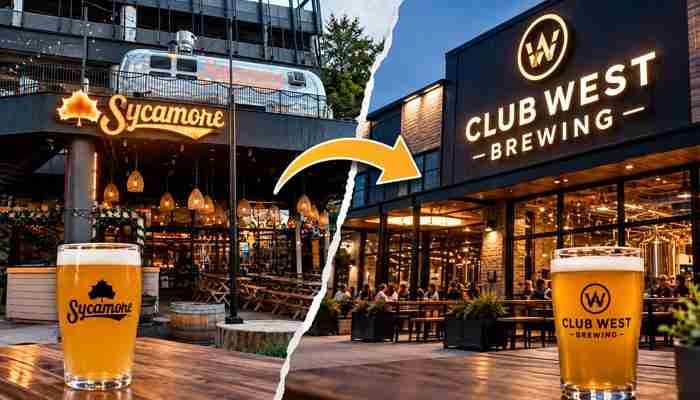
Rebranding allowed the business to preserve infrastructure that would have been expensive to replace. Sycamore already possessed a large hospitality venue, brewing equipment, recognizable products, and experienced employees.
Closing those operations permanently would have created additional financial and employment consequences. Club West therefore attempted to combine operational continuity with a different public identity.
However, a new name cannot automatically resolve declining distribution sales or restore public trust. Those outcomes depend on sustained performance, management decisions, and customer relationships.
Who Owns Club West Brewing After Justin Brigham?
One of the most frequently asked questions about Justin Brigham and Sycamore Brewing concerns the company’s ownership after the controversy.
On March 12, 2026, Sarah Taylor announced an agreement to sell 100% of Club West Brewing to longtime brewery executive Brad Bergman.
Bergman had worked with Sycamore for approximately eight years and previously served as director of brewery operations. According to WCCB Charlotte’s March 12 report, the proposed transaction was intended to give Bergman full ownership, subject to applicable regulatory approvals.
The purchase price and complete transaction documents were not publicly disclosed. Bergman became the principal operational leader associated with Club West’s reopening.
Was the Club West Ownership Transfer Completed?
The final legal ownership position requires careful interpretation. An announced agreement to sell a business is not necessarily the same as a completed transfer of every equity interest.
In July 2026, The Charlotte Ledger described Bergman as vice president of operations and reported that a further ownership announcement was expected. The North Carolina ABC Commission’s public permit record also listed Sarah Taylor as manager for Club West Brewing LLC when reviewed.
However, a permit listing does not establish the complete distribution of private ownership rights. Administrative records may not reflect every subsequent transaction. The verified information supports the announced sale and Bergman’s operational leadership. It does not conclusively establish the final equity ownership structure.
Does Justin Brigham Still Have a Role in Club West?
Brigham was removed from the brewery’s publicly reported management and operations following his arrest. No reliable reporting reviewed for this article establishes that he subsequently returned to an operational role.
However, whether a former LLC member retains any financial or contractual interest is a separate legal question. Such rights depend on operating agreements, transfer documents, and other corporate records.
Public announcements concerning removal from management should therefore not be treated as complete evidence of every private ownership arrangement.
When Did Club West Brewing Reopen?
Club West Brewing officially reopened on March 14, 2026, at 2151 Hawkins Street in Charlotte’s South End neighborhood. The relaunch introduced updated interiors, a Western-inspired atmosphere, revised food offerings, and an expanded beverage program.
According to Axios Charlotte’s reopening coverage, the business also introduced a bourbon bar and retained familiar elements of the former operation.
The reopening attracted substantial crowds during the St. Patrick’s Day celebration period. Some visitors welcomed the opportunity to support employees and new leadership. Others continued to express concerns about the venue’s previous association with Sycamore.
The mixed reaction showed that the business had attracted renewed interest, but its public reputation remained complicated.
What Changed From Sycamore Brewing to Club West?
| Business feature | Sycamore Brewing | Club West Brewing |
| Brand identity | Established Charlotte craft beer brand | Western-inspired rebranded brewery |
| Main location | 2151 Hawkins Street | Same South End property |
| Founders | Justin Brigham and Sarah Taylor | Relaunch associated with Brad Bergman |
| Leadership | Taylor assumed control following the arrest | Bergman became a principal operational leader |
| Recognizable beer | Mountain Candy IPA | Club West IPA and new selections |
| Customer experience | Beer, coffee, food, and events | Beer, cocktails, food, and entertainment |
| South End status | Closed January 5, 2026 | Reopened March 14, 2026 |
| Distribution | Established regional network | Rebuilding efforts followed by difficulties |
The business retained much of its practical operating infrastructure while introducing a new public identity.
What Happened to Mountain Candy IPA?
Mountain Candy IPA was among Sycamore’s best-known beer products. When Club West reopened, management retained some established brewing knowledge while modifying the product lineup.
Club West IPA was described as a revised version of Mountain Candy IPA. Other announced offerings included Golden Hour Ale, Evening Ember Amber, Cold Camp Lager, and Peach Yuzu Cider.
The company’s official beer page provides its advertised current selection. Preserving familiar recipes did not mean the former leadership continued operating the brewery. Recipes, equipment, and brewing expertise can remain with a business after changes in management.
How Did the Justin Brigham Controversy Affect Brewery Employees?
The commercial fallout associated with the Justin Brigham allegations affected people beyond the company’s former leadership. Sycamore employed brewers, servers, salespeople, hospitality workers, and other professionals whose livelihoods depended on the business.
According to reporting from Axios Charlotte, Club West retained 69 employees during the temporary closure. Staffing increased to approximately 84 ahead of the March reopening.
Keeping experienced workers helped preserve brewing knowledge and maintain service continuity. However, the company later faced difficult employment decisions as distribution sales remained below expectations.
July 2026: Club West Confirmed Layoffs
On July 24, 2026, The Charlotte Ledger reported that Club West had laid off an undisclosed number of employees in its sales and production operations. Brad Bergman confirmed the workforce reductions and explained that distribution performance had not met expectations.
He said the company was making changes to preserve its taproom as the core business. The exact number of affected employees was not publicly disclosed.
The layoffs demonstrated that reopening the South End venue and restoring the brewery’s former wholesale business were separate challenges.
Why Club West Shifted Its Business Strategy
Club West’s management increasingly emphasized its taproom rather than depending primarily on regional beer distribution.
These business models have different operating requirements.
| Business factor | Taproom operations | Wholesale distribution |
| Main customers | People visiting the venue | Retailers, restaurants, and distributors |
| Revenue sources | Beverages, food, events | Packaged and distributed beer |
| Main challenge | Maintaining consistent visitor demand | Securing retail access and wholesale demand |
| Customer relationship | Direct | Often through commercial intermediaries |
| Growth potential | Hospitality and local events | Regional market expansion |
| Operating risks | Staffing and venue expenses | Production, logistics, and retailer decisions |
For Club West, prioritizing the taproom may allow management to focus resources on a venue where it interacts directly with customers. Food service, cocktails, private events, and entertainment can create additional opportunities for revenue.
However, the success of this strategy depends on consistent customer demand, effective cost management, and overall profitability. The reporting reviewed does not provide sufficient financial information to establish whether the revised business model has achieved a sustained recovery.
Club West’s $500 Regulatory Settlement in 2026
Another development emerged when Club West resolved an administrative reporting matter. According to The Charlotte Ledger’s June 15 report, the North Carolina Alcoholic Beverage Control Commission identified missing financial and inventory reports related to the company’s 2025 operations.
- The brewery had been instructed to submit the required information by March 6, 2026.
- After the deadline passed, regulators initiated a civil violation.
- Club West agreed to a $500 settlement in May, and the commission approved the agreement in June.
- This was an administrative regulatory matter, not part of the criminal proceedings involving Justin Brigham.
- The settlement illustrates how a rebranded business may still need to address reporting obligations connected to earlier operations.
Is Club West Brewing Still Open in October 2026?
Club West continues to advertise its South End taproom, beverages, food, and entertainment through its official website. The Club West Brewing taproom page identifies the location as 2151 Hawkins Street in Charlotte.
The business promotes activities including brunch, live music, and private gatherings. The North Carolina ABC Commission also lists active permits associated with the Club West location.
These records support its continued publicly advertised operations as of the October 2026 review. However, active permits and a maintained website do not independently establish financial profitability or confirm that every aspect of the former Sycamore distribution business has recovered. The July workforce reductions remain an important part of the company’s business outlook.
What Is the Future of Club West Brewing?
Club West has several operational advantages, including its established South End location, brewery infrastructure, and experienced hospitality team.
Its broader beverage program also offers opportunities to attract visitors interested in food, cocktails, and entertainment rather than craft beer alone.
Nevertheless, the company’s future remains uncertain. Restoring wholesale distribution may require rebuilding relationships with retailers, improving product demand, and controlling production costs.
Maintaining a profitable taproom will depend on attracting returning customers and generating sufficient revenue to support its operating expenses.
The Wider Craft Beer Industry Is Facing Challenges
Club West’s commercial difficulties have occurred during a challenging period for independent breweries across the United States.
According to the Brewers Association’s July 22, 2026 midyear report, U.S. craft beer production volume declined an estimated 4% during the first half of 2026 compared with the same period in 2025.
The association also reported that the number of operating U.S. breweries declined from 9,515 in June 2025 to 9,344 in June 2026.
These figures indicate continued pressure across the craft brewing industry. However, national market conditions alone do not explain the dramatic decline in Sycamore’s December 2025 retail sales.
That decline followed a separate, highly publicized controversy involving its former co-founder. Club West therefore faces both company-specific reputational challenges and wider difficulties affecting craft beer producers.
What Is Confirmed About Justin Brigham and What Remains Unclear?
Several important developments are supported by court reporting, commercial data, and public business records.
Other questions remain unresolved in the reviewed information.
| Question | Confirmed information | Unresolved issue |
| What happened to Justin Brigham? | Arrested in December 2025 and indicted in March 2026 | Any later final court disposition |
| What happened to Sycamore Brewing? | Taproom closed and reopened under the Club West name | Complete financial cost of the disruption |
| Who leads Club West? | Brad Bergman became a principal operational leader | Final distribution of equity ownership |
| Did Club West reopen? | Reopened March 14, 2026 | Long-term profitability |
| Did Sycamore retail sales decline? | Circana reported an 85% year-over-year decline in a measured week | Total companywide revenue impact |
| Were Club West employees laid off? | July 2026 layoffs were confirmed | Exact number of affected workers |
These distinctions are essential to an accurate account. An announced ownership agreement should not automatically be treated as a completed transaction, and a company’s continued operation should not be confused with proven financial recovery.
Similarly, criminal allegations and indictments must remain separate from findings of guilt.
What Businesses Can Learn From the Justin Brigham and Sycamore Brewing Fallout
The Justin Brigham controversy offers several important lessons about leadership, reputation management, employee protection, and business recovery.
1. A Founder’s Reputation Can Affect an Entire Company
- Founder-led businesses often benefit from a recognizable public personality.
- Customers may connect that individual with the company’s products, values, and identity.
- However, the same association can expose a larger organization to significant reputational risk when serious allegations involve its founder.
- The Sycamore case illustrates how a controversy involving one individual can have commercial consequences for employees, suppliers, retailers, and customers.
2. Retail Partnerships Can Change Quickly
- Regional distribution helped Sycamore grow, but it also created dependence on commercial partners.
- When retailers withdrew its products, the impact became visible in measured weekly sales.
- Businesses that rely heavily on wholesale channels should understand how quickly retailer decisions can affect their revenue and operations.
3. Rebranding Does Not Automatically Restore Customer Trust
- Club West introduced a different name, revised products, and new leadership arrangements.
- Nevertheless, its later distribution difficulties demonstrated that a rebrand does not immediately repair every commercial problem.
- Sustainable recovery requires operational stability, consistent products, effective management, and customer confidence developed over time.
4. Employees Can Face Consequences Beyond Their Control
The former Sycamore workforce included many people with no involvement in the alleged conduct. Yet the closure, restructuring, and later layoffs affected their employment.
The case highlights the importance of considering employee livelihoods during business crises and clearly distinguishing individual responsibility from the wider workforce.
5. Business Recovery Requires Long-Term Evidence
Club West’s crowded reopening weekend attracted attention, but it was not a complete measure of commercial recovery. Long-term success depends on repeat customers, operating margins, manageable expenses, and sustainable revenue.
The contrast between taproom attendance and wholesale distribution performance shows why business turnarounds should be evaluated over time rather than through a single event.
Conclusion: Justin Brigham
The story of Justin Brigham and Sycamore Brewing highlights how serious criminal allegations involving a business founder can affect an established company’s reputation, operations, and financial stability. Following Brigham’s December 2025 arrest, Sycamore Brewing faced retailer withdrawals, declining beer sales, and the temporary closure of its Charlotte taproom. These developments demonstrate the importance of responsible leadership, crisis management, and maintaining customer trust during challenging situations.
The transition from Sycamore Brewing to Club West Brewing in March 2026 marked an important effort to rebuild the business under a new identity. Although the brewery reopened with updated branding and operational leadership, distribution difficulties and subsequent layoffs showed that business recovery requires more than a name change. The controversy surrounding Justin Brigham also illustrates how employees, customers, and business partners can experience consequences from allegations involving company leadership.
Looking ahead, the long-term future of Club West Brewing will depend on financial stability, effective management, and its ability to restore consumer confidence. While the legal proceedings involving Justin Brigham must be evaluated separately from the brewery’s business activities, the situation offers valuable lessons about corporate accountability, reputation management, and business resilience. Ultimately, the Sycamore Brewing controversy demonstrates why transparency, ethical leadership, and sustainable business strategies are essential for protecting a company’s future.
Justin Brigham FAQs
1. Who is Justin Brigham?
Justin Brigham is an American entrepreneur and former co-founder of Sycamore Brewing, a popular craft brewery in Charlotte, North Carolina, established in 2013.
2. Why was Justin Brigham arrested?
Justin Brigham was arrested in December 2025 following serious criminal allegations involving a minor. He was indicted on nine felony counts in March 2026. An indictment does not establish guilt.
3. What happened to Sycamore Brewing after Justin Brigham’s arrest?
Following Justin Brigham’s arrest, Sycamore Brewing experienced retailer withdrawals, declining sales, and a temporary taproom closure before rebranding as Club West Brewing.
4. Does Justin Brigham still own Sycamore Brewing?
Justin Brigham was removed from brewery operations following his arrest. A sale to Brad Bergman was announced in March 2026, but the final ownership structure remains unconfirmed.
5. Is Club West Brewing still open in 2026?
Yes. Club West Brewing reopened on March 14, 2026, at 2151 Hawkins Street in Charlotte, replacing the former Sycamore Brewing taproom.
