


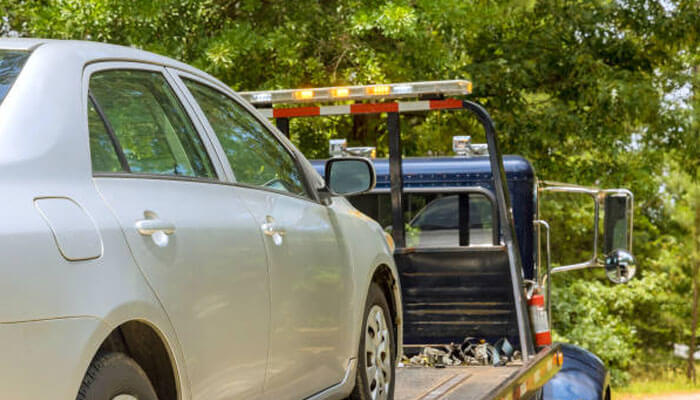

Few things feel more alarming than seeing your vehicle missing from your own property. Texas lenders can take a car after default, but they must follow certain rules. Those rules matter most when the vehicle sits behind a locked door or gate. Drivers facing this problem usually have urgent questions about their rights and next steps. Some repos disobey the state laws. Drivers in Texas have the right to take their disputes to D. Miller & Associates. When a tow truck pulls up, an owner who knows where the legal lines fall stays calmer.
What Texas Law Says About Repossession
Texas allows a lender to repossess a vehicle once the borrower falls into default. The lender usually does not need a court order or advance notice to start. One rule firmly limits that power, and it forbids any breach of the peace. A locked door blocks the agent’s path to the car. Disputes over repossession in secured areas usually begin at that door. The judge weighs whether the agent kept the peace or pushed past a lock or a clear objection. The lender ends up facing a claim for the damage whenever its agent forces entry.
Why a Locked Garage Changes Everything
A locked garage shows that the owner expects privacy and limits who may enter. Once an agent cuts a lock to reach the car, the repossession usually stops being peaceful. Even a closed but unlocked garage can create serious trouble for the repo agent. A car in an open driveway or on the street is easier to take. Agents may tow it quietly because no one has blocked access to the property. If the garage door is shut, the agent has to walk away and find another lawful option.
Gated Areas and Shared Property
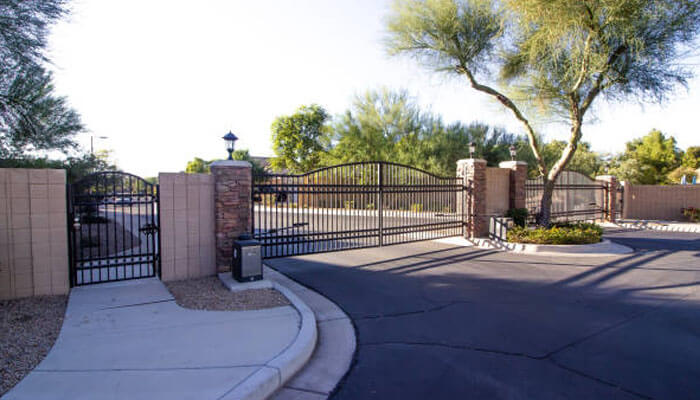
Gates raise similar issues, and the answer depends on exactly how the gate works. An agent who climbs a locked fence or breaks a chain breaks the rules. Apartment complexes and gated neighborhoods are more complicated because other people share the space. Property managers sometimes let agents enter, which can make the process lawful and peaceful. Still, the agent cannot ignore a clear spoken objection from you at the scene. Police presence alone does not give the agent extra power to take the vehicle.
Steps to Take During a Repossession
Stay calm and keep distance if you see an agent hooking up your car. State clearly that you object, but never block the truck or touch the agent. Take clear photos of the locks, gate, damage, and any signs of forced entry. While the details are fresh, the owner notes when the truck arrived and which company towed the car. Call the lender afterward to learnwhere the car went and what you owe. Months later, when a lawyer asks what happened, the borrower with a folder of saved paperwork has answers.
When a Repo May Be Wrongful
A repo turns wrongful the moment the agent steps past a locked door without permission. It can also be wrongful if you were current on payments when it happened. Lenders must also treat personal items inside the car with care and return them. If a court finds the repo wrongful, the lender may have to pay damages or return the car. A judge reads the borrower’s notes from the day of the repo. A photo of the cut lock settles questions that memory cannot. Once a consumer lawyer reads the contract and sees how the lender acted, the realistic options come into focus.
Nobody expects to wake up and find an empty spot where the car was. Even when a borrower has fallen behind on payments, Texas law still limits what a repo agent does. Faced with a padlocked gate across the driveway, the agent drives away without the car. If something already went wrong, you should never feel bad about asking tough questions. Write down what happened while it is fresh, and gather any proof you have. If a borrower jots down details the same day, the case starts on firmer ground.
