



Introduction
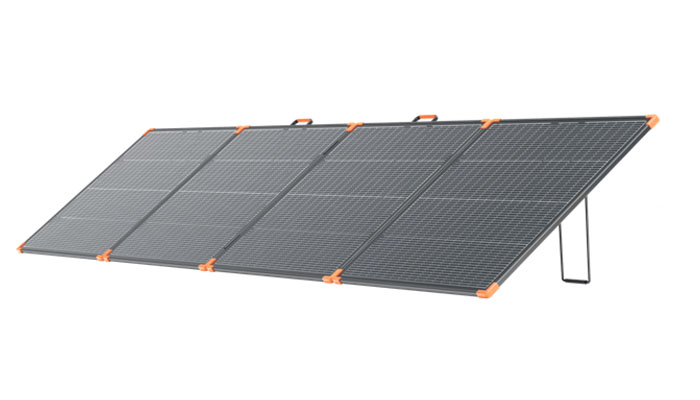
Access to electricity has become a key component in the daily lives of people. Families depend on a reliable supply of energy every day, for refrigeration, for running a computer, the internet router, and lighting, and for other household uses. But the lack of electricity, its ever-increasing price and worries about reliability have prompted homeowners to consider other forms of electricity. This has led to portable solar technology opening up new opportunities in the home energy backup market.
Portable solar generators are powered by the sun, as opposed to gasoline/diesel-fueled generators. They can equip a house with a useful and less polluting solution to keep the house functioning during a power failure when used in combination with appropriate battery power stations. As solar panel efficiency, battery storage and portable power equipment advances, these options are becoming more available to homeowners, renters and individuals in parts of the country where the power grid is unreliable.
The Growing Demand for Home Energy Backup
As people become more dependent on electronic devices and connected appliances, so has the need for reliable alternative power. A brief outage can impact people’s ability to work remotely, attend online classes, store food and communicate. A back-up system can be especially useful in areas where power outages are common.
Traditional standby generators are available, but may require fuel costs, routine maintenance, noise and exhaust emissions. These restrictions have spurred the interest of consumers in alternative solar power options.
Portable solar technology is an alternative. The advantage over relying on purchased fuel is that the owner can completely power their home with solar power—with any surplus electricity stored in a compatible battery power station. This stored power can then be used to power specific appliances if the power supply is interrupted.
The market is becoming more diverse, and not just limited to outdoor enthusiasts and emergency preparedness customers — it’s taking over normal homes that want to become more energy independent.
How Portable Solar Technology Works
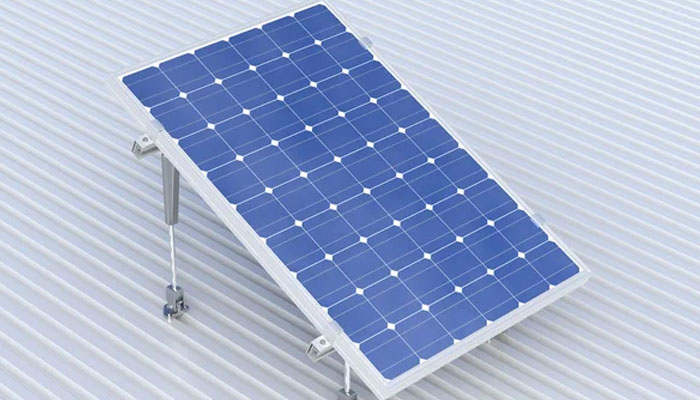
Homeowners researching portable solar panels can explore different options for generating renewable electricity and charging compatible portable power stations. Choosing the right equipment involves checking the panels’ wattage, connector type, voltage limits, and compatibility with the power station’s supported solar input. Understanding these specifications helps consumers select a suitable solar backup solution that meets their household energy needs.
Greater Flexibility for Different Households
There are several great things about portable solar technology, but one of the most notable is its versatility. The conventional PV rooftop mounting method, which involves permanent mounting and potentially professional installation, can be more complex and time-consuming. In contrast, portable systems can provide an easier way to get an electric backup system without the cost and complexity of a major home energy system installation.
Tenants might like the flexibility of panels they can move around but don’t need to install permanently. Portable devices can also be used to augment existing back-up systems or as an option for locations where a full solar installation is not feasible.
These systems can be used for a number of applications all year long. In the event of an outage, they can assist in maintaining the essential devices. They can be used for camping, outdoor recreation and charging electronic devices in non-standard areas when normal power sources are unavailable.
This versatility opens opportunities for manufacturers and retailers to meet a larger customer base with a range of products to cater for various household sizes, budgets and energy demands.
Opportunities for Innovation and Business Growth
The rising popularity of solar backup electricity creates opportunities for manufacturers, who can produce lighter panels, more efficient cells, advanced battery management systems, and larger power stations.
Companies should also consider product integration, as customers may want to purchase a set of equipment that can operate together with a specific user guide and installation instructions. Simplified choice and technical specifications of products will help inexperienced customers to pick the most suitable solar equipment. Additionally, businesses could offer a complete set of tools for backup electricity instead of selling their components and parts. Multiple guides and considerations for owners of solar panels could be beneficial for companies, as it helps customers understand what products they need for their houses, cars, and other devices. At the same time, the production of smaller and more powerful solar products will attract customers with less electricity consumption.
Finally, increasing the demand for such items will generate competition for manufacturers, which will lead to finding new ways to improve the quality and performance of products. Thus, the popularity of portable solar products creates many opportunities for companies, including the development of integrated systems, providing technical support and product installation, selling accessories, and other services related to the usage of backup electricity.
Important Considerations Before Buying
Although many people are considering portable solar systems, they are not necessarily ideal for all households. Before making a purchase, it is important to calculate what devices one would want to be able to use during an emergency and how much electricity they would need.
Battery capacity, which is typically measured in watt-hours, determines how large a power station one would need to fully charge their devices. The output of the power station in watts is also a crucial consideration because it determines what appliances can be used at the same time. The battery’s state of charge and the power station’s output capacity are both important factors in determining the performance of a portable solar power system.
The amount of power generated also depends on various environmental factors such as cloud cover, temperature, the angle of the panels, shading, and hours of sunlight. Moreover, the rated output of a solar panel is determined under specific standard conditions. Therefore, the actual output may be significantly lower depending on external conditions. Although a higher wattage panel generally means more power, it will not necessarily charge a battery faster if the solar input of the power station is lower. Finally, it is important to take safety precautions when using portable solar generators. One should always follow the manufacturer’s guidelines, only use recommended equipment, and make sure the power station is not exposed to moisture or extreme temperatures. In addition, proper ventilation should be ensured around the power station.
High-end appliances require more electricity to function than what a portable power station can offer consistently. Therefore, for those with particularly high electricity consumption rates, it may be more beneficial to invest in a professionally installed home battery and solar system.
The Future of Portable Solar Home Backup
Portable solar technology is set to play an increasingly important role in home energy management. Advances in battery storage, panel efficiency and design, product offerings and cost will make solar backup more attractive to a growing number of households.
The technology also lends itself to a phased approach to energy independence, allowing consumers to start small and add to their system as their needs and budget dictate, so long as components are compatible.
As the value proposition of self-sufficiency grows, so will the appeal of these products in the backup power market.
Conclusion
Portable solar technology is transforming the way households manage emergency electricity and daily electricity consumption. By pairing solar panels with compatible battery power stations, consumers are able to enjoy a versatile electricity supply for household consumption while reducing the risks associated with fuel-based generators.
The industry is primed for growth as the market becomes increasingly competitive and attractive to investors who would like to contribute to the development and popularization of new products and services. Households are encouraged to invest in portable solar backup systems as a tool for disaster preparedness and as a means of achieving long-term electricity resilience.
