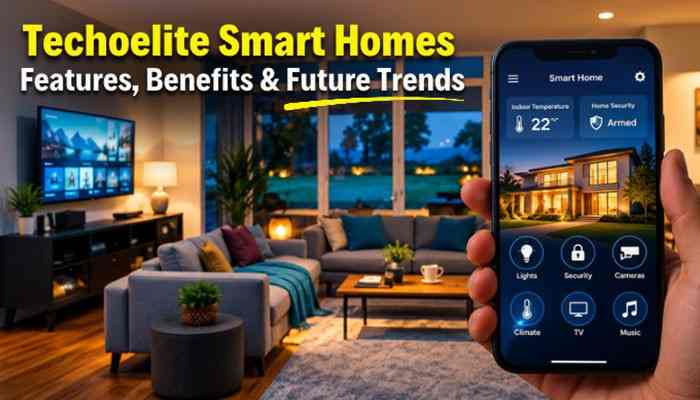

Imagine coming home after a busy day and finding your lights already on, your room at the perfect temperature, and your favorite music playing. You do not need to touch a switch or search for a remote. This is the idea behind Techoelite Smart Homes, where modern technology helps make everyday life easier, safer, and more comfortable.
Smart home technology is no longer limited to luxury houses or expensive buildings. Today, homeowners can use smart lights, security cameras, voice assistants, and connected appliances to manage their homes more efficiently. Whether you live in a small apartment or a large house, smart devices can help you save time, improve security, and reduce unnecessary energy use.
Techoelite Smart Homes represents the growing interest in intelligent home automation, artificial intelligence (AI), and connected living. But how does this technology work? What features should you look for, and is it worth the investment? This guide explains the features, benefits, costs, challenges, and future trends of smart homes in 2026.
What Are Techoelite Smart Homes?
Techoelite Smart Homes refers to the concept of creating intelligent living spaces using connected devices, automation systems, and modern technology. Instead of controlling every appliance separately, homeowners can connect compatible devices through a smartphone application, smart home hub, or voice assistant.
For example, a smart home can:
- Turn lights on automatically when someone enters a room
- Adjust indoor temperatures based on daily routines
- Send security alerts directly to a smartphone
- Control compatible door locks remotely
- Switch off selected appliances when nobody is home
- Manage entertainment systems through voice commands
These features are possible through technologies such as Wi-Fi, Bluetooth, Zigbee, Thread, and Matter.
The goal is simple: make homes more convenient, secure, and energy-efficient.
Note: This article discusses Techoelite Smart Homes as a smart-living concept. It does not assume that a specific company or manufacturer offers the products described.
How Do Techoelite Smart Homes Work?
Smart home technology connects different devices so they can communicate and perform tasks automatically. A typical system includes smart devices, sensors, wireless connections, and control software.
1. Smart Devices and Sensors
Smart devices perform tasks, while sensors collect information about the surrounding environment.
For example, a motion sensor can detect movement and automatically switch on a hallway light.
Other common sensors include:
- Temperature sensors
- Motion detectors
- Door and window sensors
- Water leak detectors
- Smoke and carbon monoxide alarms
These devices can make everyday household management easier.
2. Smart Home Hubs
A smart home hub helps compatible devices communicate with one another.
Popular smart home platforms include Google Home, Amazon Alexa, Apple Home, and Samsung SmartThings.
Some systems need a separate hub, while others connect directly through Wi-Fi or compatible smart speakers.
3. Wireless Connectivity
Smart homes use different wireless technologies depending on the type of device.
| Technology | Common Uses | Main Advantage |
| Wi-Fi | Cameras, speakers, smart plugs | Connects devices to home networks |
| Bluetooth | Smart locks, device setup | Short-range connectivity |
| Zigbee | Smart bulbs and sensors | Low-power mesh networking |
| Thread | Smart sensors and controls | Reliable low-power mesh connections |
| Matter | Compatible devices across brands | Improves interoperability |
Matter is a smart home connectivity standard rather than a separate wireless network. It helps supported devices work across different platforms.
4. Automation and Voice Control
Automation allows connected devices to respond to schedules, sensors, or specific conditions.
For example, a bedtime routine can automatically dim the lights, adjust the thermostat, and lock compatible doors.
Voice assistants also allow homeowners to control supported devices without touching a switch.
Key Features of Techoelite Smart Homes
The main attraction of Techoelite Smart Homes is the ability to connect different household systems and manage them more conveniently.
Here are the most useful features.
1. Smart Lighting Systems
Smart lighting allows homeowners to control brightness, colors, and schedules through smartphones or voice assistants. Some systems can automatically adjust lighting based on movement or time of day.
For example, hallway lights can turn on when someone walks through the house at night.
Benefits of smart lighting include:
- Convenient remote controls
- Automatic lighting schedules
- Adjustable brightness
- Personalized lighting settings
- Reduced unnecessary electricity use
Smart lighting is often one of the easiest ways to begin home automation.
2. Advanced Home Security
Security is one of the biggest reasons homeowners consider Techoelite Smart Homes. Connected security devices can help residents monitor their properties and receive notifications about unusual activity.
Common smart security devices include:
- Video doorbells
- Smart door locks
- Security cameras
- Motion detectors
- Window and door sensors
- Connected alarm systems
For example, a video doorbell can send a notification when someone approaches the entrance.
However, smart security systems do not guarantee protection against theft. They should support reliable physical locks and other safety measures.
3. Intelligent Temperature Control
Smart thermostats help homeowners manage heating and cooling more efficiently. Depending on the model, these devices can adjust temperatures based on schedules, occupancy, or user preferences.
For example, a thermostat may reduce heating or cooling while everyone is away and restore comfortable settings before they return. This can reduce unnecessary energy use.
Actual savings depend on the home’s insulation, local climate, equipment, and daily habits.
4. Voice-Controlled Home Automation
Voice assistants make it possible to operate compatible devices using simple spoken commands.
For example, a homeowner can say:
“Turn off the living room lights.”
The connected assistant sends the command to the lighting system.
Voice controls can also help people who have difficulty reaching switches or operating traditional controls.
5. Smart Kitchen Appliances
Modern kitchen appliances increasingly offer connected features.
Examples include smart refrigerators, ovens, coffee makers, and dishwashers.
Depending on the model, these appliances can:
- Send maintenance notifications.
- Provide cooking reminders.
- Monitor appliance settings.
- Report when a cycle finishes.
- Support selected remote-control functions.
However, not every connected appliance offers meaningful advantages over a traditional model.
Homeowners should compare features, reliability, and costs before purchasing.
6. Smart Energy Monitoring
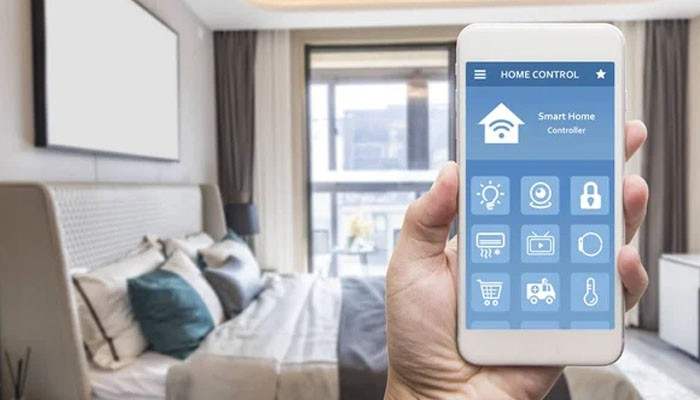
Energy-monitoring devices help homeowners understand how much electricity their appliances consume. Some smart plugs can measure electricity usage and display the information through a mobile application.
For example, a homeowner may discover that an older appliance consumes more electricity than expected.
This information can help identify opportunities to reduce energy waste.
Benefits of Techoelite Smart Homes
Techoelite Smart Homes can provide several practical benefits when devices are selected and configured correctly.
| Benefit | How It Helps |
| Convenience | Automates repetitive household tasks |
| Energy efficiency | Helps reduce unnecessary electricity use |
| Security awareness | Provides alerts from connected sensors |
| Remote access | Allows supported devices to be managed from anywhere |
| Accessibility | Offers voice and automated controls |
| Personalization | Creates routines based on household preferences |
Greater Everyday Convenience
Smart home automation reduces the need to perform simple tasks manually.
For example, homeowners can schedule outdoor lights to turn on after sunset or automate a robotic vacuum cleaner. These small improvements can make busy routines easier.
Better Security Awareness
Connected cameras, sensors, and alarms help homeowners monitor certain activities around their properties. Notifications can provide useful information when residents are away.
However, the effectiveness of these devices depends on proper installation, reliable connectivity, and secure settings.
Improved Energy Management
Smart thermostats, lighting schedules, and energy monitors can help households avoid wasting electricity.
For example, lights can turn off automatically when rooms are empty.
According to ENERGY STAR, certified smart thermostats save approximately 8% on heating and cooling bills on average in the United States. Individual results vary.
More Comfortable Living
Connected devices allow homeowners to customize lighting, temperature, and entertainment settings.
For example, a morning routine can gradually increase bedroom lighting and adjust the room temperature. This creates a more personalized living environment.
How Much Do Smart Homes Cost in 2026?
One common concern about Techoelite Smart Homes is the installation cost.
The total expense depends on the number of devices, their features, and whether professional installation is required.
Homeowners can begin with a small setup and gradually expand.
Estimated Smart Home Device Costs
| Smart Home Device | Approximate Price (USD) |
| Smart bulbs | $10–$40 each |
| Smart plugs | $10–$30 each |
| Smart speakers | $30–$150 |
| Smart door locks | $100–$350 |
| Video doorbells | $50–$250 |
| Smart thermostats | $80–$300 |
| Smart home hubs | $50–$200 |
These are illustrative planning ranges, not verified current retailer prices or official Techoelite product prices. Costs vary by location, brand, features, and installation requirements.
Are Smart Homes Worth the Money?
Smart homes can be worthwhile when their features solve real household problems.
For example, someone who frequently forgets to switch off lights may benefit from automated lighting. A family that receives regular deliveries may find a video doorbell useful.
However, expensive devices are not always necessary. The best smart home setup is one that provides practical benefits without unnecessary complexity.
How to Set Up Techoelite Smart Homes
Setting up Techoelite Smart Homes does not require buying every available smart device. A step-by-step approach makes the process easier and more affordable.
Step 1: Identify Your Needs
Start by deciding which household activities you want to improve.
Your main goal might be:
- Better security
- Lower energy consumption
- Easier appliance control
- More comfortable lighting
- Automated daily routines
Choose one or two priorities before purchasing equipment.
Step 2: Select a Smart Home Platform
Choose a platform that works with your existing smartphone and preferred devices. Popular options include Google Home, Amazon Alexa, Apple Home, and Samsung SmartThings.
Check compatibility before buying additional products.
Step 3: Start With Basic Devices
Smart bulbs and plugs are useful starting points. They are generally easier to install than connected electrical switches or advanced security systems.
Step 4: Create Automation Routines
Once your devices are connected, create simple routines.
For example, schedule lights to turn off at bedtime or switch on outdoor lighting after sunset.
Step 5: Secure Your Network
Protect connected devices using strong passwords, software updates, and secure Wi-Fi settings. Enable multifactor authentication wherever supported.
Step 6: Expand Gradually
After learning how the system works, consider adding security cameras, thermostats, or other connected appliances. This approach reduces unnecessary spending and compatibility problems.
Common Challenges of Smart Home Technology
Although Techoelite Smart Homes offers useful features, connected technology also comes with certain challenges.
Privacy Concerns
Some smart cameras, speakers, and sensors collect information about household activities. Homeowners should review privacy policies and understand what data is stored or shared.
Cybersecurity Risks
Connected devices may become vulnerable if they use weak passwords or outdated software. Using strong account protection and keeping devices updated can reduce these risks.
Internet Dependence
Some smart home features require an active internet connection. For example, cloud-based notifications and remote controls may stop working during an outage.
Certain local automation systems can continue operating without internet access.
Compatibility Problems
Devices from different manufacturers may not always work together. Even Matter-compatible products may support different features depending on the platform.
Maintenance Costs
Smart home ownership can involve battery replacements, software updates, subscription charges, and occasional equipment upgrades. Homeowners should consider these expenses before investing.
Smart Home Security Tips Every Homeowner Should Follow
Security should be a priority when setting up connected devices.
Here are some practical precautions:
- Use unique passwords for important accounts.
- Enable multifactor authentication.
- Install software and firmware updates.
- Secure your Wi-Fi network with WPA2-AES or WPA3.
- Review camera and microphone permissions.
- Consider a separate network for smart devices.
- Avoid unnecessary third-party integrations.
- Buy devices from manufacturers with clear update policies.
- Keep manual controls available for emergencies.
These steps help reduce common security risks while improving long-term reliability.
Future Trends of Techoelite Smart Homes in 2026 and Beyond
The future of Techoelite Smart Homes is closely connected to developments in artificial intelligence, device compatibility, and energy management.
Several technologies are shaping the next generation of connected living.
1. Artificial Intelligence and Predictive Automation
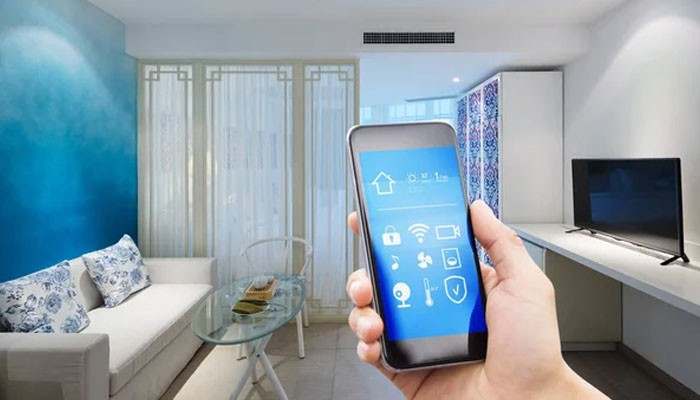
Artificial intelligence can help smart home systems recognize patterns and suggest useful routines.
For example, a system may learn when residents usually return home and adjust compatible lighting or temperature settings.
Future systems may become better at responding to household needs without requiring detailed manual schedules. However, personalized automation should include strong privacy protections and clear user controls.
2. Improved Compatibility With Matter
Matter is designed to make supported smart home products work across different ecosystems. The Connectivity Standards Alliance announced Matter 1.5 in November 2025, expanding the standard to include cameras, additional closure controls, soil sensors, and energy management capabilities.
This development may help reduce compatibility problems. However, manufacturers and platforms must still implement the relevant features.
3. Smarter Energy Management
Future smart homes may coordinate electricity use across appliances, solar panels, home batteries, and electric vehicle chargers.
For example, a compatible system could schedule selected appliances when electricity prices are lower. Such features may help homeowners manage energy costs more effectively. Actual benefits depend on local electricity tariffs and available equipment.
4. Greater Use of Local Automation
Some smart home systems already process commands through local networks. This can improve response times and allow certain functions to continue during internet outages.
Local processing may also reduce the amount of household information sent to cloud servers.
5. Health and Wellness Technology
Connected homes may increasingly include air quality monitors, lighting controls, and temperature sensors.
For example, an indoor air quality monitor can alert residents when ventilation may be needed. These devices can support household comfort, but consumer sensors should not be considered medical diagnostic equipment.
6. Personalized Smart Living
Future smart home systems may provide more customized experiences for different household members. Residents could choose preferred lighting, music, temperature, and accessibility settings.
The goal is to create living spaces that adapt to people’s needs while keeping users in control.
Techoelite Smart Homes vs. Traditional Homes
The main difference between traditional homes and connected homes is the level of automation and remote control.
| Feature | Traditional Homes | Smart Homes |
| Lighting | Manual switches | App, voice, and automated controls |
| Temperature | Manual or programmable settings | Connected schedules and sensors |
| Security | Conventional locks and alarms | Optional remote alerts and monitoring |
| Energy monitoring | Utility bills and separate meters | Optional connected energy tracking |
| Remote access | Limited | Available on supported devices |
| Maintenance | Mainly physical equipment | Hardware and software maintenance |
| Initial cost | Usually lower for basic controls | Additional device and setup costs |
Traditional homes can still be safe, comfortable, and energy-efficient. Smart technology becomes valuable when its extra features improve daily living.
Who Should Consider Techoelite Smart Homes?
Connected-home technology can benefit different types of households.
Busy Professionals
Automated lighting, cleaning schedules, and remote appliance controls can help simplify daily routines.
Families
Smart door sensors, security cameras, and lighting routines can support household management.
Older Adults
Voice commands and automated lighting may make certain everyday tasks easier.
Energy-Conscious Homeowners
Smart thermostats and energy-monitoring devices can help identify opportunities to reduce unnecessary electricity use.
Renters
Portable smart bulbs, plugs, and speakers allow renters to explore home automation without making major changes to the property.
How to Choose the Right Smart Home Devices
Before purchasing connected devices, homeowners should evaluate several important factors.
- Compatibility: Make sure the device works with your existing smart home platform.
- Security: Choose products with reliable software updates and clear privacy settings.
- Ease of use: Select devices that are simple to install and operate.
- Cost: Compare the purchase price, installation charges, and subscription fees.
- Reliability: Check whether essential functions continue working during internet outages.
- Customer support: Look for manufacturers that provide clear documentation and ongoing product support.
- Practical value: Focus on features that solve everyday problems rather than unnecessary technology.
A simple and dependable system is often more useful than a complicated setup with features that rarely get used.
Conclusion
Techoelite Smart Homes shows how connected technology can make modern living more convenient, comfortable, and efficient. From intelligent lighting and security cameras to automated temperature controls and energy monitoring, smart home systems offer practical ways to manage everyday household activities.
However, building a successful smart home is not about purchasing every new gadget. Homeowners should choose reliable products that meet their needs, work well together, and protect their privacy.
As artificial intelligence, Matter compatibility, and energy management continue to develop, Techoelite Smart Homes represents an approach to modern living that may become more accessible in the coming years. Starting with a few useful devices and expanding gradually is often the smartest way to enjoy the benefits of home automation.
Techoelite Smart Homes FAQs
1. What are Techoelite Smart Homes?
Techoelite Smart Homes refers here to connected living spaces that use smart devices, sensors, and automation technology. These systems can help manage lighting, security, temperature, and household appliances.
2. How do smart homes improve daily life?
Smart homes can automate repetitive tasks, provide remote device controls, send security notifications, and create personalized routines. Their usefulness depends on the devices installed and how they are configured.
3. Are smart homes expensive to install?
Not necessarily. Homeowners can start with affordable smart bulbs and plugs. Advanced systems involving security equipment, climate control, and professional wiring usually cost more.
4. Can smart homes work without the internet?
Some smart home devices and automation routines can work through local connections without internet access. However, cloud-based services, certain voice commands, and remote notifications may require connectivity.
5. Are smart home devices safe from hackers?
No connected device is completely risk-free. Strong passwords, multifactor authentication, regular software updates, and secure Wi-Fi settings can reduce cybersecurity risks.
6. Can smart homes reduce electricity bills?
Smart thermostats, automated lighting, and energy-monitoring devices may help reduce unnecessary electricity consumption. Savings depend on household habits, climate, and equipment.
7. What role does artificial intelligence play in smart homes?
AI can help recognize patterns, recommend routines, and adjust compatible devices based on user preferences. It may make home automation more responsive and personalized.
8. What is the future of smart home technology?
Future developments are expected to focus on AI-assisted automation, improved compatibility, stronger local processing, better energy management, and more personalized home experiences.