


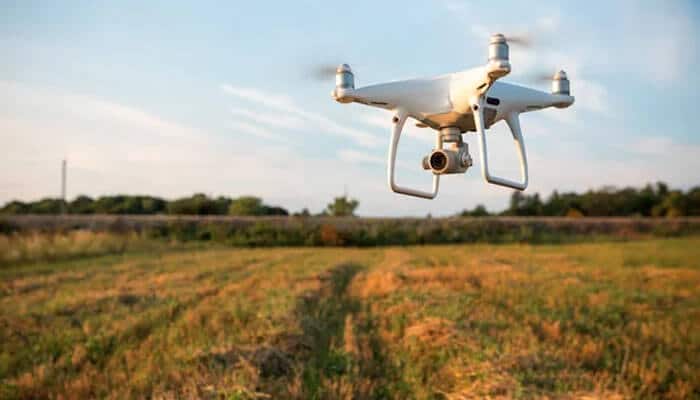

Drones have moved well beyond their early reputation as recreational gadgets. Across construction, property, agriculture, marketing, infrastructure, and several other industries, businesses are finding practical ways to use aerial technology as part of everyday operations.
The greatest advantage does not necessarily come from the drone itself. It comes from placing the technology within a clearly defined workflow. When organisations understand what information they need, where aerial access can help, and how the resulting footage or data will be used, drones can become valuable business tools.
1. Survey Large Sites More Efficiently
One of the clearest business applications for drones is surveying extensive areas. Construction sites, industrial facilities, agricultural land, and commercial properties can be difficult to assess entirely from ground level.
An aerial view allows teams to see the broader layout of a site quickly. This can help identify areas that require closer inspection while giving managers a more complete understanding of the environment before sending teams onto the ground.
2. Improve Safety During Visual Inspections
Some inspections involve roofs, towers, steep structures, or other locations that may be difficult to reach safely. Drones can provide an initial visual assessment without requiring employees to enter every potentially hazardous area.
They do not eliminate the need for qualified inspectors, but they can help professionals determine where physical access is genuinely necessary. This makes them particularly useful as a preliminary inspection tool.
3. Create More Engaging Marketing Content
Businesses increasingly rely on visual storytelling to explain what they offer. Aerial photography can introduce perspectives that ordinary cameras cannot easily reproduce.
Hotels can show their surroundings, property developers can present an entire development, and tourism businesses can capture landscapes from a broader viewpoint. The important point is to use aerial footage selectively so that it adds information rather than merely visual spectacle.
4. Monitor Construction Progress
Construction projects change continuously, which can make progress difficult to communicate through written updates alone.
Regular aerial imagery can create a visual record of how a site develops over time. Project managers may use these images alongside conventional reports to communicate progress to clients, contractors, investors, or internal stakeholders.
Consistent camera positions can make comparisons between different stages especially useful.
5. Give Property Marketing More Context
Traditional property photography is effective at showing rooms, façades, and architectural details. However, it may provide limited information about the property’s wider setting.
Drone imagery can show surrounding roads, neighbouring areas, landscaping, parking facilities, or nearby geographical features. For commercial properties and larger residential developments, this additional context can help audiences understand how the property fits within its environment.
6. Inspect Buildings and Infrastructure
Large structures often contain areas that are expensive or inconvenient to examine from the ground. Roofs, exterior walls, towers, bridges, and industrial facilities are common examples.
Businesses researching professional drone services Canada may therefore consider providers for specialised inspections where trained operators, appropriate equipment, and knowledge of applicable aviation requirements are important.
The resulting imagery can help technical teams identify areas that deserve closer investigation, although professional engineering or structural assessments may still be necessary.
7. Add New Perspectives to Event Coverage
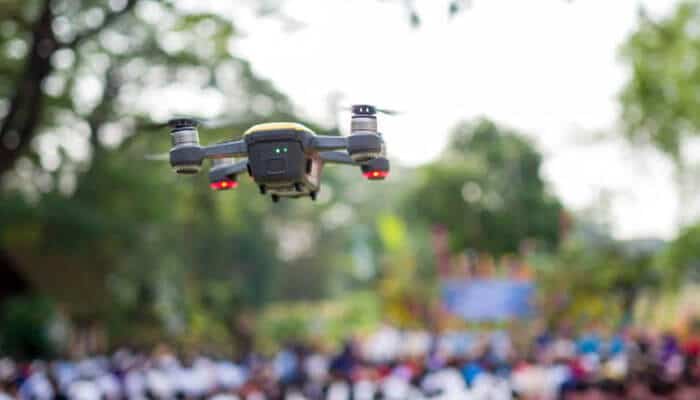
Corporate events, exhibitions, outdoor gatherings, and large promotional activities can also benefit from aerial coverage.
Professional drone video services can complement conventional cameras by capturing venue layouts, crowd movement, outdoor settings, or establishing shots. The strongest results usually come when aerial footage forms part of a broader production plan rather than replacing ground-level photography and videography.
Careful planning is particularly important where people, restricted spaces, or privacy considerations are involved.
8. Observe Agricultural Areas More Effectively
Agriculture is another field where aerial observation can be useful. Farms may cover areas that take considerable time to inspect manually.
Drones can help farmers obtain a broader visual perspective of fields, crop conditions, drainage issues, irrigation patterns, or sections that appear different from surrounding areas.
These observations can help direct attention towards specific locations requiring closer ground-level assessment.
9. Build Better Visual Records
Businesses frequently need documentation showing the condition of a site or asset at a particular time.
Aerial images can contribute to records for construction projects, property management, maintenance work, insurance documentation, and large facilities. When captured consistently, they can also provide a useful chronological reference.
Clear file organisation is equally important. Footage only becomes valuable business information when teams can retrieve, compare, and interpret it effectively.
10. Plan Every Drone Operation Around a Clear Purpose
Businesses should begin with the problem they want to solve rather than the technology they want to use.
Before arranging a flight, teams should consider location, weather, privacy, aviation requirements, required image quality, operational risks, and how the material will ultimately be used.
A simple inspection may require a very different approach from a cinematic marketing shoot or a large-scale mapping project.
Conclusion
Drones can support businesses in many ways, from inspections and construction monitoring to marketing, agriculture, and documentation. Their real value, however, depends on purposeful use.
When organisations connect aerial technology to a genuine operational or communication need, drones can provide perspectives that improve understanding, strengthen visual records, and help teams work more efficiently.
