


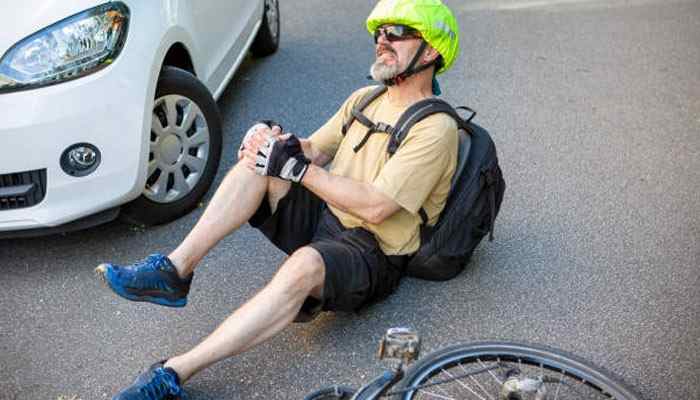

A bicycle accident can affect far more than your next ride. Medical appointments, missed work, damaged equipment, and uncertainty about returning to cycling can disrupt your daily life. Meanwhile, insurance companies may request statements, question responsibility, or offer a settlement before you understand the full extent of your losses.
A Dallas bicycle accident lawyer can help investigate the collision, identify available insurance coverage, document your damages, and pursue compensation. Having someone manage the claim also gives you more time to focus on your recovery.
At Cyclist at Law, representing injured cyclists combines legal experience with firsthand knowledge of cycling. With more than 35 years of trial law experience, board certification in personal injury trial law by the Texas Board of Legal Specialization, and more than 100,000 miles ridden, our attorney understands both the legal challenges and the personal impact of a bicycle collision.
Investigating How the Bicycle Accident Happened
A successful claim begins with understanding what happened and gathering evidence that supports it. The driver’s account may differ from yours, and the initial accident report may not answer every important question.
A bicycle accident lawyer can obtain the police report, contact witnesses, examine photographs, and seek available video footage. Depending on the circumstances, relevant evidence may include vehicle damage, bicycle damage, roadway markings, traffic signals, and information recorded by cycling devices.
For example, a driver may claim that a cyclist suddenly entered the vehicle’s path. Witness statements or camera footage might provide a different account of the cyclist’s position and the driver’s movement.
Early investigation matters because footage can be overwritten and witnesses can become harder to locate. At Cyclist at Law, gathering and evaluating evidence is part of building a claim that accurately explains the collision.
Explaining Your Rights as a Texas Cyclist
Cyclists have legal rights on Texas roads. Under Texas Transportation Code Section 551.101, a person operating a bicycle generally has the rights and duties applicable to a vehicle driver, subject to bicycle-specific provisions and exceptions.
Understanding those rules can be important when an insurance company questions where you were riding or suggests that being on a bicycle made you responsible for the crash.
Your lawyer can examine the rules relevant to the actual circumstances rather than accepting broad assumptions about cyclists. The review may address lane position, turning movements, traffic controls, and the conduct of everyone involved.
An attorney who rides also understands why photographs and roadway context matter. A cyclist’s choices may require explanation that a written report alone does not provide.
Identifying Available Insurance Coverage
The driver’s liability insurance may be one source of compensation, but a complete insurance review should consider other potentially applicable policies.
Depending on the collision and your coverage, your own automobile policy may provide benefits through personal injury protection, medical payments coverage, or uninsured/underinsured motorist coverage. The Texas Department of Insurance notes that medical payments coverage can apply when an insured person is injured while biking. It also explains that uninsured/underinsured motorist coverage addresses qualifying accidents involving drivers without sufficient insurance. Actual coverage depends on the policy and circumstances.
At Cyclist at Law, we establish claims with relevant insurers and review available coverage. This helps identify potential benefits before decisions are made that could affect your options.
Handling Insurance Communications

Managing an injury claim can involve repeated calls, document requests, coverage questions, and settlement discussions. Trying to handle those demands while recovering can be exhausting.
A Dallas bicycle accident lawyer can communicate with the involved insurers, present supporting documentation, and respond to disputes about responsibility or damages.
Before giving a recorded statement or signing a release, understanding its purpose and potential effect is important. A settlement document may resolve more than the issue you initially intended to address.
Cyclist at Law handles communications involving automobile insurers, health insurers, medical providers, and other relevant parties. We also keep you informed so that you understand what is happening and what decisions require your input.
Documenting Medical Expenses and Lost Income
An injury claim needs reliable documentation. Medical records help explain your injuries, treatment, and progress. Bills help establish expenses, while employment records can support a claim for income lost during recovery.
Gathering that information takes work. Records may be incomplete, bills may contain errors, and providers may require follow-up requests.
At Cyclist at Law, we obtain medical records and bills and address documentation issues as the claim develops. We can also assist with communications about billing your health insurance.
Your role includes keeping us informed about treatment, work restrictions, and changes in your condition. Accurate updates help us present the effect of the collision without relying on assumptions.
Presenting the Full Effect of Your Injuries
The financial consequences of a crash may be only part of the loss. Depending on the evidence and applicable law, a claim may also involve physical pain, mental anguish, physical impairment, or disfigurement.
For a cyclist, physical limitations can interfere with commuting, training, racing, and group rides. An injury may also affect sleep, household tasks, work duties, or time with family.
Explaining those changes requires more than stating that you cannot ride. A detailed account might describe your usual weekly mileage, activities you previously enjoyed, and the specific limitations you now experience.
Cyclist at Law understands that cycling can be a central part of your routine. We work to document the actual impact while recognizing that recoverable damages depend on each case.
Addressing Anxiety About Returning to Cycling
Returning to the road after a collision may involve emotional challenges as well as physical recovery. You may feel uneasy around passing vehicles, avoid your previous routes, or stop participating in group rides.
Tell your treating provider about these concerns and discuss them with your attorney. Where supported by the evidence, emotional effects can be relevant to understanding the injury’s overall impact.
At Cyclist at Law, we recognize the importance of confidence, independence, and camaraderie in cycling. We listen to how the collision has changed your experience and help document those changes appropriately.
Pursuing Compensation for Your Damaged Bicycle
A bicycle damage claim can require specialized knowledge. High-end bikes may include expensive wheels, upgraded components, power meters, electronic shifting, and custom equipment that are not obvious to an insurance adjuster.
Damage to a carbon frame or component may also require qualified evaluation rather than a quick visual inspection.
Useful documentation can include purchase receipts, upgrade records, photographs, repair estimates, and assessments from an appropriate bicycle professional. Preserve the damaged bike and equipment until inspection and evidence needs have been addressed.
Our attorney has owned at least twenty bicycles and understands how cyclists select and upgrade equipment. That experience helps us explain a property damage claim using specific evidence about your bike.
Evaluating Settlement Offers and Your Net Recovery
A settlement offer should be reviewed in the context of your documented losses, available coverage, and unresolved issues. The amount offered is also different from the amount you ultimately receive.
Attorney fees, case expenses, unpaid medical balances, and valid reimbursement claims can affect your net recovery. Certain health insurers or benefit programs may seek repayment from a settlement.
Cyclist at Law evaluates and handles applicable subrogation or reimbursement claims, including negotiating reductions where available. We explain settlement offers and the anticipated accounting.
We do not settle your claim until you approve a specific “in-pocket” amount. You remain involved in that decision.
Protecting Your Claim and Filing Suit When Necessary
Some claims resolve through negotiation. Others require a lawsuit when responsibility or compensation remains disputed.
Texas generally sets a two-year limitations period for personal injury lawsuits, although exceptions and additional requirements can affect particular claims. Reviewing deadlines promptly is important.
Cyclist at Law prepares and negotiates settlement demands and files suit when settlement does not occur. Our attorney’s trial experience informs the evaluation and preparation of the case throughout the process.
Speak With Cyclist at Law About Your Bicycle Accident
You deserve representation from someone who understands why your injuries, your bicycle, and your ability to ride matter. At Cyclist at Law, our attorney personally manages your claim, with limited assistance in requesting medical records and bills.
Representation is provided on a contingency basis, with no fee owed if there is no recovery. We explain the fee agreement and settlement expenses before you proceed. We do not charge attorney fees on your bicycle property damage claim, PIP claim, or reductions obtained in health insurance subrogation liens.
