



Product Air Heating, Cooling and Electric builds its residential service approach around a problem every HVAC contractor encounters: homeowners must make consequential decisions about equipment they cannot diagnose themselves. Co-founder Serg Nikolin says the company’s response is to explain the condition of the system, identify reasonable options, and let the customer decide.
Product Air’s company history describes a family-owned business founded in 2017 and operated by Serg, Eli, and Rob Nikolin. The three working owners connect the company’s positioning to service visits, equipment choices, and employee preparation. The result is a business model in which customer education requires time and operational support.
Homeowners can explore heat pump installation and replacement in Marysville through Product Air Heating. That service provides a concrete setting for the business model. A homeowner needs to understand what a new system changes before deciding whether the investment meets the household’s goals.
Product Air Gives Technicians an Educational Role
Product Air expects technicians to understand the customer’s problem before recommending work. Nikolin describes training that includes gathering equipment information, inspecting components, checking warranty status, and explaining the findings. The recommendation then connects the condition of the system to the homeowner’s comfort or air-quality goals.
This approach has a commercial tradeoff. Nikolin acknowledges that a homeowner can take the explanation to another contractor who quotes the work for less. Product Air accepts that possibility because the company considers informed choice part of its service.
In his published account of Product Air’s operations, Nikolin writes, “We chose to build relationships instead of transactions.” The practical test of that philosophy is whether a customer receives an understandable reason for the recommendation and a clear explanation of the alternatives.
A Marysville Example Makes the Cost Conversation Concrete
Product Air’s published utility-bill discussion describes one Marysville household that replaced an older gas furnace with a heat pump. The company reports a drop in the monthly gas bill, an increase in electricity costs, and an overall reduction of about $107 per month. The home also gained cooling.
| Reported Item | Amount |
| Previous monthly gas bill | $325 |
| Monthly gas bill after conversion | $139 |
| Increase in electricity costs | About $79 |
| Net monthly reduction | About $107 |
The comparison includes both energy bills rather than presenting the reduction in gas costs alone. That distinction makes the explanation more useful to a homeowner considering conversion. The company’s account reports an individual result, and another home’s starting equipment, use, and utility rates can produce a different outcome.
Product Air’s field experience also includes a different starting point: a homeowner with a highly efficient gas furnace may consider a heat pump primarily to add cooling, while total bills remain approximately similar. Explaining that possibility keeps the comfort decision separate from a blanket savings promise.
Customer Input Changes What the Company Proposes
Product Air uses homeowner information to shape equipment recommendations and layout. Nikolin identifies additions, garages, condos, and rooms poorly served by existing ducts as situations in which the company considers ductless equipment. The house and the intended use of the space influence the choice.
One account in Product Air’s customer reviews describes a mini split project in which the team answered questions and incorporated the customer’s design preferences. That account shows how listening can affect the proposed product, with room use and layout becoming part of the installation conversation.

For a home-service business, this turns customer communication into useful project information. The contractor learns what the household wants to change, and the customer gains a clearer understanding of what the proposed system will deliver.
Preparation Supports the Customer Promise
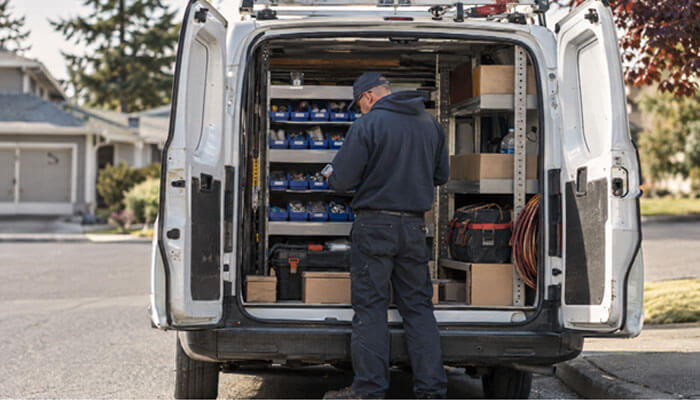
Product Air stocks common parts and equipment in Marysville and Seattle and carries frequently used components in service vehicles. Nikolin describes checking vans against job requirements and replenishing supplies before technicians leave. Preparation can reduce interruptions for routine materials, while the diagnosis determines what a particular repair needs.
Nikolin also describes weekly installer meetings, manufacturer and distributor training, and an installation manager accompanying new installers. These practices connect a customer-facing promise to the employees who carry out the work. Training covers the installation itself and the explanations homeowners receive.
Product Air Uses Difficult Jobs to Change Procedures
Nikolin recounts a job involving equipment with factory problems after installation. Product Air replaced the equipment at its own expense and changed inspection procedures for later jobs. The account describes a response to one difficult project, with a concrete change in how the company prepared subsequent installations.
The company also adjusted communication on jobs that run late. Nikolin says technicians now check in several times during the day so homeowners know what to expect. For customers, those changes make the trust philosophy visible through explanations, preparation, and updates. A Marysville homeowner can begin by describing the current system and the desired result, then ask how the proposed work connects the two.
Frequently Asked Questions
Does Product Air Work Primarily With Homeowners?
Nikolin describes residential customers as Product Air’s primary audience and says homeowners should remain the company’s main marketing focus. The business also lists commercial services, but its interview priorities center on household comfort, equipment installation, and diagnosing problems in existing residential heating and cooling systems.
Which Equipment Brands Does Product Air Commonly Install?
Nikolin identifies Mitsubishi, Trane, Coleman, and Midea among the brands Product Air commonly installs. The company chooses equipment in relation to the homeowner’s goals and the property’s requirements. A proposal should explain the selected system rather than rely on the manufacturer name alone to justify the recommendation.
Does Product Air Also Provide Electrical Work?
Product Air lists electrical services alongside HVAC work, including panels, wiring, outlets, and EV chargers. A homeowner can discuss supporting electrical requirements during a heating or cooling assessment. The agreed proposal should identify the work included so the customer understands the full project scope.
Do the Marysville Bill Figures Represent Every Heat Pump Conversion?
The Marysville figures describe one household’s reported experience. Product Air’s comparison includes the decrease in gas costs and the increase in electricity costs for that home. Another household needs a comparison based on its own existing equipment, energy use, and goals rather than a promise of the same savings.
