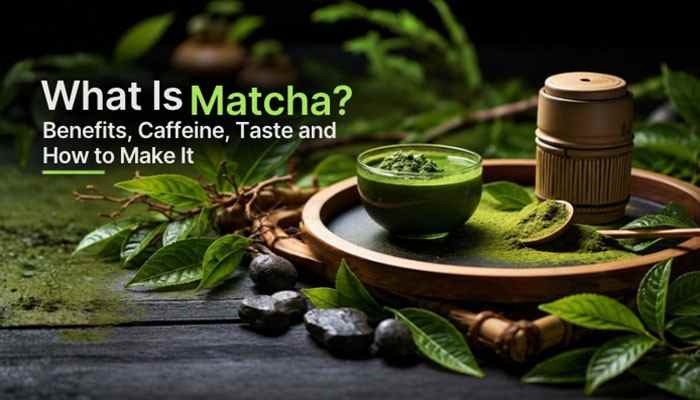

What is matcha? Matcha is a fine green tea powder made from specially grown and processed tea leaves. Instead of steeping leaves and throwing them away, you whisk the powder into water and drink it. That is why matcha has a bold color, a rich taste and a different texture from regular green tea.
You may have seen matcha in café lattes, ice cream or bright green desserts. However, plain matcha contains no milk or added sugar. Its flavor can be grassy, slightly sweet and savory, with some bitterness. The final taste depends on the tea, how much you use and how you prepare it.
This guide explains where matcha comes from, how it differs from other teas and what research says about its benefits. You will also learn how to make it, choose a suitable powder and avoid common mistakes. The goal is simple: help you understand your drink without confusing facts with marketing claims.
What Is Matcha Made From?
Matcha comes from Camellia sinensis, the same plant used for green, black and oolong tea. What makes it different is the way farmers grow the leaves and producers process them.
Traditional Japanese matcha is made from tencha, a tea grown under shade before harvest. After picking, the leaves are steamed and dried without rolling. Producers remove stems and veins, then grind the leaf material into a fine powder.
Japan External Trade Organization explains that matcha is powdered tencha. Grinding an ordinary green tea at home does not reproduce the same product.
Think of matcha as a prepared tea ingredient, rather than a flavor added to green tea. A pure powder needs only one ingredient: Matcha.
Why Is Matcha Green?
Tea leaves contain chlorophyll, the green pigment that helps plants use sunlight. Shade growing changes the leaves’ composition and contributes to matcha’s color and flavor.
Where Does Matcha Come From?
Matcha is closely linked with Japan and its tea ceremony culture. The wider history of powdered tea also has roots in China.
Japan’s Ministry of Agriculture describes how Uji tea developed after the monk Eisai brought tea from China in 1191. Over time, Japanese producers refined growing and processing methods, while tea ceremony traditions helped shape matcha culture.
Uji, in the Kyoto area, is especially well known. Other Japanese tea regions also produce matcha, including parts of Kagoshima and Aichi.
What Does Matcha Taste Like?
Matcha usually tastes vegetal, grassy and slightly bitter. Some varieties also have a gentle sweetness and a savory depth called umami.
Umami means a rich, savory taste. In matcha, it can make the tea feel rounded rather than sharply bitter.
Your first cup may taste stronger than expected, especially if you usually drink sweetened beverages. Try a small serving before adding syrup.
Flavor depends on:
- The tea variety and growing conditions
- Harvesting and processing methods
- Freshness and storage
- The amount of powder
- Water temperature and preparation
Milk softens matcha’s flavor, while sugar can cover bitterness. If a cup tastes harsh, check your method before assuming all matcha tastes that way.
Matcha vs. Green Tea vs. Coffee
When asking what is matcha, many readers also want to know whether it can replace their usual tea or coffee.
| Feature | Matcha | Brewed green tea | Coffee |
| Main ingredient | Powdered tea leaves | Tea leaves or tea bags | Roasted coffee beans |
| Preparation | Whisk powder into liquid | Steep leaves, then remove | Brew ground beans |
| Leaf material consumed | Yes | Usually no | Not applicable |
| Typical flavor | Vegetal, savory, slightly bitter | Light, grassy or floral | Roasted, bitter or fruity |
| Contains caffeine | Yes | Yes, unless decaffeinated | Yes, unless decaffeinated |
| Common additions | Milk, sugar, syrup | Lemon, sugar | Milk, sugar, syrup |
There is no single healthiest choice for everyone. Serving size, caffeine tolerance and added ingredients matter.
A plain matcha drink and a heavily sweetened matcha latte are very different choices. The green color does not tell you how much sugar a drink contains.
How Much Caffeine Is in Matcha?
Matcha contains caffeine. The amount depends mainly on the powder and how many grams you use.
A scientific review reported approximately 18.9–44.4 milligrams of caffeine per gram in studied matcha samples. Using that range, a 2-gram serving would provide about 38–89 milligrams. This is an estimate, not a guaranteed value for every brand.
Check the manufacturer’s information when available. A large café drink may use more powder than a small homemade bowl.
Does Matcha Have More Caffeine Than Coffee?
It depends on the servings you compare. A modest matcha serving may contain less caffeine than a large brewed coffee, but stronger matcha preparations can contain much more than expected.
Adding water or milk does not remove caffeine. If you use the same powder amount and drink the whole cup, dilution changes the concentration, not the total dose.
The FDA cites 400 milligrams daily as an amount not generally associated with negative effects for most adults. That includes caffeine from all sources and is not a target to reach.
Matcha Benefits: What Does Research Show?
Matcha contains caffeine, the amino acid L-theanine and plant compounds called catechins. These ingredients explain why scientists study it.
However, finding useful compounds in a food does not prove that drinking it will prevent disease. Research on green tea, concentrated extracts and matcha should also be distinguished.
1. It Can Support Alertness
Caffeine can help you feel more awake. That may make matcha useful when you want a morning drink or an alternative to coffee.
Matcha can still cause jitters, especially with large servings.
L-theanine is often mentioned alongside caffeine. Avoid assuming that it cancels caffeine’s effects or guarantees calm energy.
2. It Provides Plant Compounds
Catechins include epigallocatechin gallate, commonly shortened to EGCG. Researchers study these compounds for their effects on biological processes.
That does not mean matcha acts as a medicine. Claims that one cup “detoxes” the body or reverses illness go beyond what the evidence establishes.
Enjoying matcha can fit into a varied diet. It should not replace vegetables, fruit, regular meals or medical treatment.
3. Brain Health Findings Are Still Limited
A 2024 randomized study followed 99 older adults with subjective cognitive decline or mild cognitive impairment for 12 months.
Participants received either 2 grams of matcha daily or a placebo. Matcha improved one measure related to recognizing facial emotions, but the main cognitive and daily living outcomes did not improve significantly.
This finding does not establish that matcha prevents dementia. The study also included researchers with commercial affiliations, which readers should consider when assessing the evidence.
4. It Can Replace a Sugary Drink
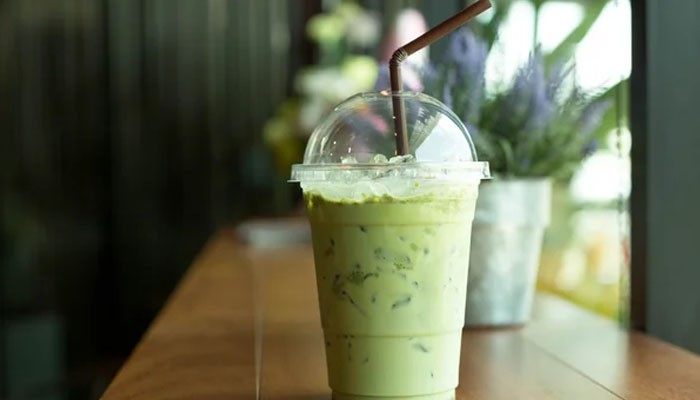
An unsweetened matcha drink can be a practical alternative to a sweetened beverage. The benefit depends on what it replaces.
Adding generous syrup, whipped cream or sweetened milk changes the drink. Ask about the recipe before treating a café latte as a low-sugar option.
Does Matcha Help With Weight Loss?
Matcha is not a shortcut to losing weight. No reliable rule says that a daily bowl will burn belly fat.
NCCIH reports that catechins and caffeine in green tea products may have a modest effect on body weight. That does not establish meaningful weight loss from your particular matcha drink.
A more useful question is how it fits your routine. Swapping a sugary drink for unsweetened tea may reduce sugar intake, but adding a sweet latte to your usual diet may have a different effect.
Avoid matcha products that promise rapid weight loss, appetite suppression or effortless body changes.
Matcha Side Effects and Safety
Matcha’s caffeine can cause trouble for sensitive people. Possible symptoms include poor sleep, anxiety, a racing heartbeat and stomach upset.
If you notice these effects, reduce your serving or stop drinking it. Moving it earlier in the day may also help.
Take extra care if you:
- Are pregnant or breastfeeding
- Take regular medicines
- Have a condition affected by caffeine
- Are choosing drinks for a child or teenager
Ask a clinician or pharmacist about your situation. Adult caffeine guidance should not be applied to children.
Matcha Tea Is Different From Green Tea Extract
A bowl made from tea powder is different from a concentrated supplement.
NCCIH notes that uncommon liver injuries have been reported mainly with green tea extracts in tablets or capsules. Green tea can also interact with some medicines.
Do not treat extract capsules as interchangeable with a food or drink.
How to Make Matcha at Home
You do not need an expensive setup to start. A small bowl, fine sieve and whisk are useful.
A traditional bamboo whisk is called a chasen. A handheld frother can also mix the drink, although the texture may differ.
Ingredients
- 2 grams of plain matcha
- 60 milliliters of water
- Water at approximately 80°C
- Extra water, if you prefer a lighter drink
Step-by-Step Method
1. Sift the powder into a bowl to break up clumps.
2. Add the hot water after measuring or cooling it.
3. Whisk briskly in a back-and-forth motion.
4. Look for an even mixture with fine bubbles.
5. Drink promptly, adjusting with extra water if desired.
Ippodo’s classic usucha recipe uses 2 grams of powder, 60 milliliters of water at 80°C and about 15 seconds of whisking.
Matcha mixes into a suspension, so some settling is normal.
How to Make a Matcha Latte
What is matcha like with milk? A latte is usually creamier and milder than plain tea.
For an easy homemade version:
1. Sift 1–2 grams of matcha into a cup
2. Mix it with a little warm water until smooth
3. Add about 150–200 milliliters of milk
4. Taste before adding sweetener
Use dairy milk or a suitable plant drink. For an iced version, pour the smooth matcha mixture over cold milk and ice.
These are adjustable starting amounts, rather than a traditional tea ceremony recipe. More powder produces a stronger drink and adds caffeine.
If ordering at a café, ask whether the matcha powder is already sweetened. Requesting no syrup may still leave sugar from a premixed base.
Ceremonial Grade vs. Culinary Grade Matcha
“Ceremonial grade” usually signals a product marketed for drinking with water. “Culinary grade” usually signals a powder intended for cooking or mixing.
However, these labels are not a universal quality score.
Japanese tea company Ippodo says it does not use “ceremonial grade,” describing the term as a marketing phrase developed for Western buyers.
Instead of choosing by label alone, consider your purpose:
| Intended use | What to look for |
| Plain tea | Smooth flavor and a drinking recommendation |
| Lattes | Flavor that remains noticeable with milk |
| Baking | Powder recommended for cooking |
| First purchase | Small pack with clear sourcing information |
An expensive powder is not necessary for every recipe. Choose something suited to the drink or food you actually make.
How to Choose Matcha in India
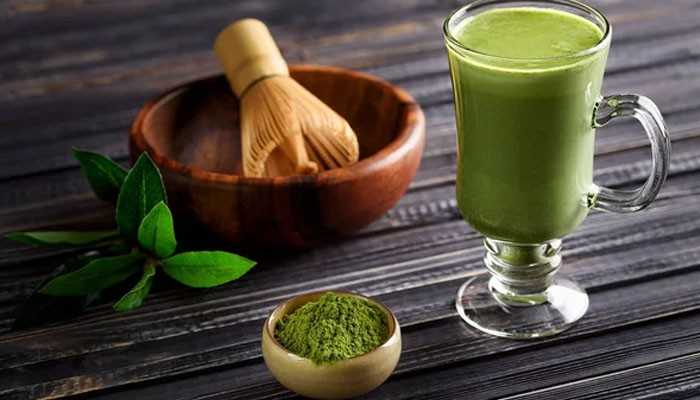
For Indian readers, the first step is checking whether you are buying pure matcha or an instant beverage mix.
A product called “matcha latte mix” may contain sugar, milk powder or other ingredients. That can be convenient, but it will behave differently from plain tea.
Before buying, check:
- Ingredients: Pure matcha should list matcha or green tea powder without added fillers
- Origin: Look for clear sourcing and producer information
- Packaging: Prefer a well-sealed, light-blocking container
- Dates: Check packing and best-before details
- Seller: Look for contact information and a clear return policy
- Pack size: Start small if you drink it occasionally
For imported products, check the importer details and applicable food labeling. A Japanese-looking design alone does not prove Japanese origin.
Compare cost per serving rather than package price. A 30-gram pack provides roughly 15 servings when you use 2 grams each.
How to Store Matcha
Matcha loses flavor when exposed to air, moisture, heat and light.
Keep it tightly sealed in an opaque container. Store it away from strong-smelling foods and use a clean, dry spoon.
Ippodo advises storing tea away from heat, light, humidity and strong odors. Follow your specific producer’s guidance, especially for refrigeration.
In a hot or humid kitchen, choose a suitable cooler location. If storing a sealed container cold, allow it to warm before opening to reduce condensation.
Common Matcha Mistakes
Small changes can make your next cup more enjoyable.
| Problem | Possible cause | What to try |
| Clumps | Unsifted powder or weak mixing | Sift and whisk thoroughly |
| Harsh taste | Too much powder or unsuitable preparation | Measure powder and adjust water temperature |
| Weak latte | Too much milk for the powder | Reduce milk or adjust powder within your caffeine limits |
| Dull flavor | Old powder or poor storage | Try a fresh, well-stored batch |
| Settling | Powder particles in suspension | Stir gently before finishing |
| Excess sweetness | Sweetened mix plus syrup | Check ingredients first |
Conclusion
What is matcha? It is a distinctive powdered green tea with Japanese cultural roots, a savory flavor and several ways to enjoy it. Its value comes from the whole experience, rather than promises of instant health changes.
Start with a small pack, measure your powder and try a simple preparation. Pay attention to caffeine and added sugar. With realistic expectations, matcha can become an enjoyable part of your routine.
What is matcha FAQs
1. What is matcha in simple words?
Matcha is finely powdered green tea. You whisk it into liquid and drink the powder instead of removing tea leaves after steeping.
2. Is matcha the same as regular green tea?
It comes from the same tea plant, but its growing, processing and preparation methods differ. Traditional matcha is made from tencha.
3. Can you drink matcha every day?
Some adults enjoy it daily. The suitable amount depends on caffeine intake, health, medicines and personal tolerance. Daily use is not required for good health.
4. Is matcha naturally sweet?
Some varieties have a gentle sweetness, but pure matcha contains no added sugar. A sweet café drink usually gets sweetness from other ingredients.
5. Is matcha vegan?
Plain matcha mixed with water is vegan. A latte depends on the milk and other ingredients used.
6. Can matcha be made without a bamboo whisk?
Yes. A frother or shaker can help mix it. Sifting first improves smoothness, although the texture may differ from traditional whisking.