


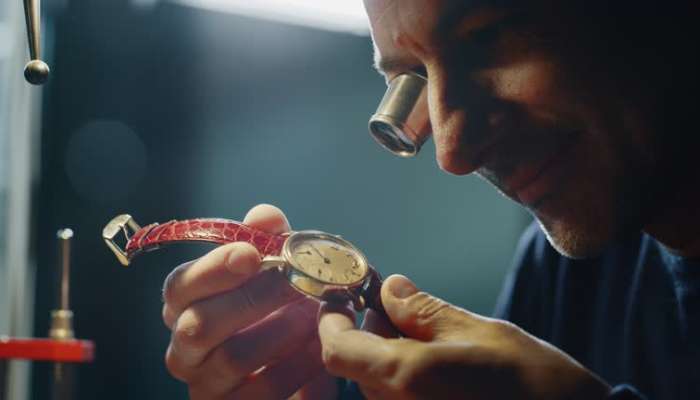

For many enthusiasts, the appeal of a mechanical watch extends far beyond telling time. One of the defining characteristics of fine watchmaking is the use of complications, additional mechanical functions that expand what a watch can do beyond displaying hours, minutes, and seconds. From practical features like a date display or GMT function to highly sophisticated perpetual calendars and moonphase indicators, complications showcase the remarkable ingenuity of traditional horology. As collections grow, many owners also invest in watch winders to help keep selected automatic watches running between wears.
Yet complications are more than technical achievements or visual highlights on a dial. They have a direct impact on everyday ownership. The functions built into a watch influence how it is set, how often it needs adjustment, how it should be maintained, and even how it fits into a collector’s daily routine. A watch with a simple three-hand movement demands very different care from one that incorporates multiple calendar displays or several time zones.
As a watch becomes more mechanically sophisticated, ownership becomes more intentional. Understanding how each complication works helps owners use their timepieces correctly, avoid unnecessary wear, and preserve both performance and reliability for years to come. This is also why companies such as Barrington Watch Winders focus on solutions that support the day-to-day ownership of automatic watches, helping collectors manage more complex timepieces with greater convenience.
What Counts as a Watch Complication?
In watchmaking, a complication is any function that goes beyond the basic display of hours, minutes, and seconds. The term does not always refer to something highly complex. Even a date window is considered a complication because it adds an extra mechanical function to the movement.
Some complications are created for practical use. A date display helps with everyday planning, while a GMT function allows the owner to track another time zone. A chronograph can measure elapsed time, and a power reserve indicator shows how much energy remains in the movement.
Other complications are valued more for tradition, visual interest, or mechanical artistry. A moonphase display, for example, may not be essential for daily life, but it gives the watch character and connects it to a long history of astronomical timekeeping. Annual and perpetual calendars go further, turning the watch into a miniature mechanical calendar system.
The main point is simple: every complication changes how the owner interacts with the watch. A basic automatic model may only need to be wound, set, and worn. A more complicated watch often requires greater attention to setting procedures, power reserve, calendar correction, and storage between wears.
Date and Calendar Complications: Convenience with Responsibility
Date and calendar complications are among the most useful features in everyday watch ownership. A simple date window can make a watch feel more practical, especially for daily wear, business use, and regular scheduling. Day-date displays add another layer of convenience by showing both the day of the week and the date at a glance.
However, calendar functions also require more care than many owners expect. Inside the movement, small gears, levers, and discs work together to advance the display at the correct time. Because these components are engaged during certain hours, changing the date manually at the wrong moment can put unnecessary stress on the mechanism. This is why many manufacturers advise owners to avoid adjusting calendar functions during the late evening and early morning hours, when the date-change system may already be active.
The responsibility becomes greater with more advanced calendar watches. An annual calendar can account for months with 30 or 31 days but usually needs correction once a year. A perpetual calendar goes further, tracking month lengths and leap years mechanically. These watches are impressive, but they can be inconvenient to reset if they stop for several days or weeks.
For the owner, the benefit is clear: calendar complications make a mechanical watch more useful in daily life. The trade-off is that the watch demands better understanding. Knowing when to adjust the date, how the calendar system works, and what happens if the movement stops helps protect the mechanism and keeps the watch functioning as intended.
GMT and Travel Watches: Practicality for Modern Owners
GMT complications were originally created for people who needed to track time across different locations. Today, they remain among the most practical features in mechanical watchmaking. A GMT watch usually displays a second time zone through an additional hand, a 24-hour scale, or a rotating bezel. This allows the owner to read local time and home time without relying on a phone.
For frequent travelers, the benefit is obvious. A well-designed GMT watch makes it easier to adjust to a new time zone while still keeping track of the time back home. It is also useful for people who work with international clients, remote teams, or family members in another country. In this sense, the complication fits naturally into modern life, even for owners who do not travel every week.
GMT watches also change how the owner interacts with the watch. Some models allow the local hour hand to be adjusted independently, which is useful when crossing time zones. Others require more traditional setting through the crown. Understanding the difference matters because it affects how quickly and safely the watch can be adjusted during travel.
The appeal of a GMT watch is not only functional. It often carries a sense of movement, connection, and independence. For many owners, it represents a life that is not fixed to one place. That makes the complication both practical and personal.
Chronographs: Useful, But Often Misunderstood
A chronograph is one of the most recognizable watch complications, but it is also one of the most misunderstood. Many owners choose chronograph watches for their sporty design, balanced dial layout, and connection to aviation, motorsport, or professional timing. Yet the chronograph is not just a visual feature. It is a mechanical stopwatch built into the watch movement.
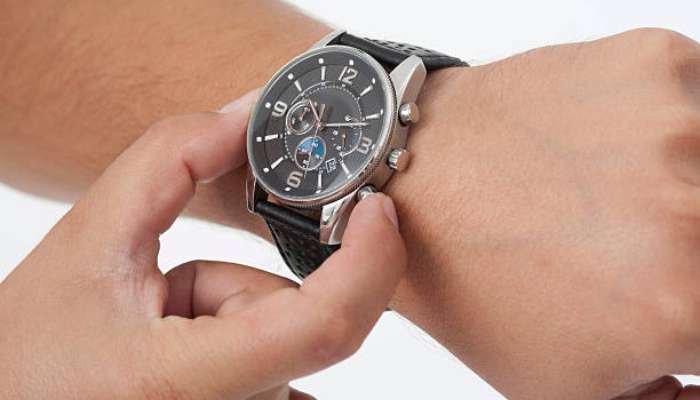
In daily use, a chronograph can measure short intervals of time, such as a meeting, a workout, a cooking process, or a travel segment. The pushers on the side of the case start, stop, and reset the timing mechanism. This makes the watch more interactive than a simple three-hand model.
However, chronographs also add mechanical complexity. The movement contains extra levers, wheels, clutches, and reset systems that must work precisely together. Because of this, chronograph watches can require more careful handling and may be more expensive to service than simpler automatic watches.
Owners should also understand how to use the pushers correctly. Resetting the chronograph while it is still running, unless the movement is designed for that function, can damage the mechanism. Water resistance also matters, since pushers should generally not be operated underwater unless the manufacturer clearly states otherwise.
A chronograph adds real utility and character, but it rewards informed ownership. When used correctly, it becomes more than a design choice. It turns the watch into a practical timing instrument with a distinct mechanical personality.
Moonphase and Astronomical Complications: Emotion Over Utility
Moonphase and astronomical complications occupy a special place in watchmaking. Unlike a date display, GMT hand, or chronograph, they are rarely essential for daily tasks. Most owners do not need to know the exact phase of the moon to manage their schedule. Yet these complications continue to attract collectors because they bring poetry, tradition, and visual depth to a mechanical watch.
A moonphase display connects the watch to one of the oldest forms of timekeeping. Long before mechanical wristwatches, people measured time through the movement of the sun, moon, and stars. In a modern watch, this complication preserves that connection in miniature form. It turns the dial into something more than an instrument. It becomes a reminder that watchmaking has always been linked to astronomy.
For everyday ownership, the moon phase is not difficult to enjoy, but it does require some attention. If the watch stops, the display may need to be corrected to match the current lunar phase. Depending on the movement, this can be simple or slightly more involved. The owner should follow the correct setting procedure and avoid forcing any adjustment.
The appeal of astronomical complications is emotional rather than purely practical. They make a watch feel more expressive and more personal. For many collectors, that is exactly the point. A moonphase watch may not be the most useful piece in a collection, but it can be one of the most memorable.
Power Reserve Indicators and the Reality of Wearing Habits
A power reserve indicator shows how much stored energy remains in a mechanical watch before it stops. In an automatic watch, that energy is created by wrist movement and stored in the mainspring. For owners who wear the same watch every day, this feature may seem unnecessary. For those who rotate several watches, it becomes much more useful.
Wearing habits are rarely as consistent as watch specifications suggest. A watch may have a 40, 60, or 70-hour power reserve, but real-life use depends on how active the owner is, how long the watch is worn, and how efficiently the automatic winding system works. Someone who spends most of the day at a desk may not generate the same winding activity as someone who moves frequently.
The power reserve indicator makes this visible. Instead of guessing whether the watch has enough energy to keep running overnight or through the next day, the owner can see the remaining reserve directly on the dial. This is especially helpful before travel, before storing the watch, or when switching between pieces in a collection.
This complication also teaches owners to understand their watches better. It shows the relationship between movement, winding, and daily routine. In that sense, the power reserve indicator is not just a technical feature. It is a practical reminder that automatic watches depend on how they are actually worn.
How Complications Affect Setting and Resetting
The more complications a watch has, the more carefully it usually needs to be set. Features such as calendars, GMT displays, and moonphases often require specific adjustment procedures, particularly after the watch has stopped.
Owners should always follow the manufacturer’s instructions and avoid forcing the crown or correction pushers. Learning the correct setting sequence helps prevent unnecessary wear and ensures every complication functions as intended.
Storage and Watch Winders
Storage becomes more important as a watch becomes more mechanically sophisticated. If a simple three-hand automatic watch stops, resetting it usually takes only a few moments. Watches with complications such as a GMT, moonphase, annual calendar, or perpetual calendar often require much more time to configure before they are ready to wear again.
Proper storage also helps protect a watch from dust, moisture, accidental impacts, and unnecessary handling while it is not being worn. For collectors who rotate several automatic watches, this is where a watch winder can provide added convenience.
A watch winder keeps an automatic movement running by simulating the natural motion of the wrist. This can reduce the need to repeatedly reset complex calendar or time-zone functions after the watch has been left unworn for several days.
Because different movements have different winding requirements, adjustable winders are generally the best choice. Models such as those offered by Barrington Watch Winders allow owners to configure both the Turns Per Day (TPD) and rotation direction to match the needs of a specific movement.
A watch winder is not essential for every automatic watch, nor is it a substitute for professional servicing. However, for collectors who regularly rotate watches with advanced complications, it can make everyday ownership significantly more convenient by keeping selected timepieces ready to wear.
Choosing Complications Based on Lifestyle
The best complication is not necessarily the most advanced one. It is the one that fits how the watch will actually be used. Many buyers are drawn to impressive mechanical features, but everyday satisfaction often depends on choosing functions that match personal habits and routines.
Different lifestyles naturally benefit from different complications.
| Lifestyle | Complications That May Be Most Useful |
| Daily office wear | Date, day-date, power reserve indicator |
| Frequent travel | GMT or world time |
| Active lifestyle | Chronograph |
| Watch collecting | Annual calendar, perpetual calendar, moonphase |
There is also value in keeping things simple. A watch with fewer complications is usually quicker to set and easier to maintain. At the same time, owners who genuinely use functions such as a GMT or annual calendar often find that these features become an essential part of their daily routine.
Ultimately, complications should add value rather than complexity for its own sake. Choosing a watch that complements your lifestyle creates a more enjoyable ownership experience and increases the likelihood that its features will be appreciated rather than overlooked.
Common Mistakes Owners Make with Complicated Watches
Owning a complicated mechanical watch is not difficult, but using its functions correctly helps prevent unnecessary wear and ensures reliable long-term performance.
Some of the most common mistakes include:
- Changing the date while the calendar mechanism is engaged during its automatic changeover period.
- Using chronograph pushers underwater unless the watch is specifically designed for that purpose.
- Forcing the crown or correction pushers when a function does not respond immediately.
- Ignoring the manufacturer’s instructions for setting the calendar, GMT, or moonphase complications.
- Delaying routine servicing until the watch begins to lose accuracy or a complication stops working properly.
Most of these issues are easy to avoid. Spending a few minutes learning how a particular movement operates helps protect the mechanism and makes everyday ownership far more enjoyable.
Conclusion
Watch complications do more than expand the capabilities of a mechanical watch. They shape the entire ownership experience, influencing how a watch is worn, adjusted, stored, and maintained. From a practical GMT function to the intricate mechanics of a perpetual calendar, every complication brings its own benefits and responsibilities.
Choosing the right complications is ultimately about finding the balance between functionality and the way you actually use your watch. A well-chosen timepiece becomes easier to appreciate because its features support your daily routine rather than adding unnecessary complexity. Understanding how these mechanisms work also helps protect the movement and ensures reliable performance for years to come.
For collectors who own automatic watches with advanced complications, thoughtful storage and proper care are equally important. Barrington Watch Winders offers adjustable watch winders designed to accommodate the winding requirements of different automatic movements, helping owners keep selected watches ready to wear while reducing the need to repeatedly reset complex calendar and time-zone functions. Combined with regular servicing and careful handling, the right care routine allows sophisticated mechanical watches to be enjoyed exactly as their makers intended.
