


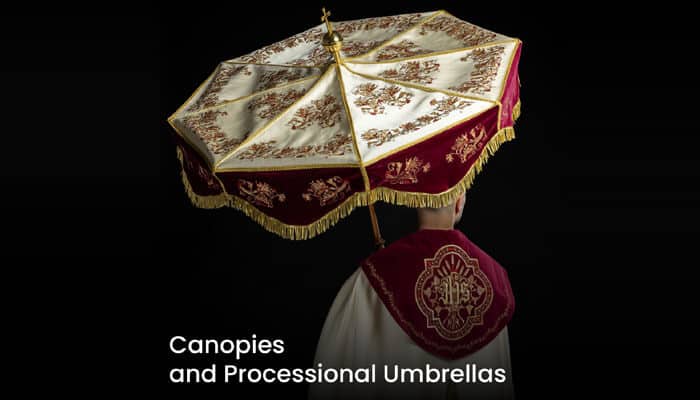

The Feast of Corpus Christi, a solemn and joyous occasion celebrating the Real Presence of Christ in the Eucharist, is a cornerstone of the Catholic liturgical year. In many parishes worldwide, this feast is marked by grand processions that serve as a vibrant expression of faith shared by the community. A central element in these celebrations is the use of processional canopies, also known as baldachins, which traditionally accompany the Blessed Sacrament and symbolize reverence, honor, and solemnity. While visually striking and spiritually significant, preparing processional canopies and coordinating their use during a Corpus Christi procession can present parishes with unique logistical challenges. This article explores the practical preparations and spiritual inspiration behind these important celebrations, with particular attention to the role and management of the processional canopy.
The Significance of the Canopy in Corpus Christi Processions
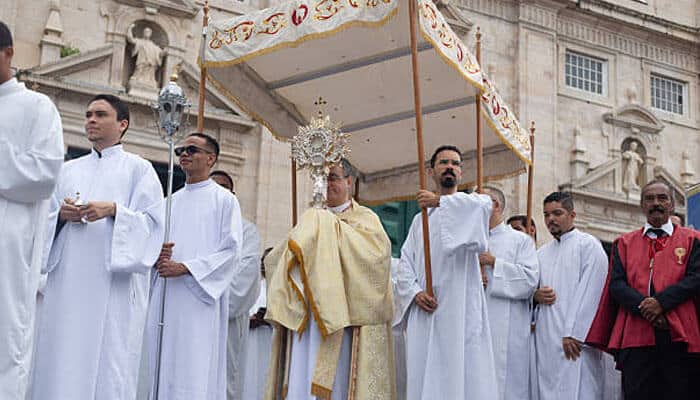
The canopy, with its rich history, is more than just a decorative item. It serves as a portable sanctuary, a symbol of Christ’s sovereignty and glory as He is carried through the streets. Traditionally, it is borne by designated members of the laity, often clergy or members of specific ministries, signifying the honor and responsibility associated with bearing Christ’s presence. The act of holding the canopy aloft represents the Church’s unwavering support and reverence for the Blessed Sacrament. Its grandeur and ornate design often mirror the solemnity of the occasion, inviting awe and contemplation from both participants and onlookers.
Navigating the Practical Challenges of Canopy Preparation
Despite its spiritual importance, the logistical aspects of using a processional canopy can be demanding. Parishes often grapple with several key challenges:
1. Canopy Acquisition and Maintenance:
Many parishes do not have a dedicated canopy, or the existing one may be aged and in need of repair. The acquisition of a new canopy is a significant undertaking, involving considerable cost and the need to source high-quality, durable, and aesthetically appropriate materials. Considerations include the weight of the canopy, the stability of its frame, and the beauty of its fabric and embellishments, which often feature intricate embroidery or symbols of faith. Once acquired, regular maintenance is crucial. This involves careful storage to prevent damage from dust, moisture, and pests, as well as periodic cleaning and repair of any tears, loose threads, or damage to the frame.
2. Manpower and Training:
The successful carrying of a canopy requires a dedicated team. This often involves four to eight individuals, depending on the canopy’s size and weight. Identifying sufficient volunteers can be a challenge, especially in smaller parishes. Furthermore, these individuals need to be trained to carry the canopy safely and with the appropriate reverence. This training typically covers:
- Proper lifting techniques to prevent injury.
- Maintaining a steady pace and synchronized movement, especially when navigating uneven terrain or crowds.
- Understanding the protocol for lowering and raising the canopy, particularly when the Blessed Sacrament is being exposed or reposed.
- Coordinating with other procession participants, such as the clergy, altar servers, and choir.
3. Route Planning and Accessibility:
The procession route must be carefully planned to accommodate the canopy. This involves:
- Assessing the route for potential obstacles such as narrow doorways, low-hanging branches, power lines, steep inclines, or uneven surfaces.
- Ensuring the route is accessible to all participants, including the elderly and those with mobility issues, while still allowing for the safe passage of the canopy.
- Communicating the route and any specific instructions to all involved parties well in advance.
4. Weather Contingency:
The Feast of Corpus Christi often falls during warmer months, making outdoor processions a joy. However, unpredictable weather can pose a significant challenge. High winds can make it dangerous or impossible to hold the canopy aloft, while heavy rain can damage the fabric and make the procession uncomfortable or unsafe. Parishes must have a contingency plan in place, which might include a shortened route, an alternative indoor procession, or, in extreme cases, cancellation or postponement. This often requires pre-determining decision-making authority and communication channels.
Sources of Inspiration for Parish Preparations
Overcoming these challenges often sparks creativity and a deeper sense of community. The preparations themselves become a source of inspiration and spiritual growth:
1. Community Collaboration and Skill-Sharing:
The need for a well-maintained canopy often brings parishioners together in unexpected ways. Those with sewing skills might volunteer to repair damaged fabric, while others with woodworking or metalworking experience can assist with frame repairs. This collaborative effort not only addresses practical needs but also fosters a stronger sense of ownership and shared purpose within the parish community. Fundraising efforts to acquire a new canopy can also become a unifying project, involving bake sales, sponsored walks, or dedicated donation drives.
2. Artistic and Spiritual Enhancement:
The process of preparing a canopy can inspire artistic and spiritual creativity. Parishes might commission local artists to design new embroidery or embellishments that reflect their unique patron saint or local heritage. The choice of fabric color and design can be intentionally linked to the liturgical season or specific theological themes. Some parishes might even involve the youth in decorating parts of the canopy or creating accompanying banners and flags, infusing the procession with youthful energy and devotion.
3. Educational Outreach and Evangelization:
The Corpus Christi procession, with its prominent canopy, offers a powerful opportunity for evangelization. Parishes can use this event to educate their members and the wider community about the significance of the Eucharist. This might involve:
- Providing printed materials explaining the meaning of the procession and the symbolism of the canopy.
- Organizing pre-feast educational talks or workshops on Eucharistic devotion.
- Encouraging participants to invite non-Catholic friends or neighbors to witness the procession, fostering an atmosphere of openness and invitation.
4. Utilizing Modern Resources:
While respecting tradition, parishes can also draw inspiration from modern resources. This might include researching the latest advancements in lightweight yet durable materials for canopies, or exploring innovative designs that are easier to transport and manage. Online liturgical supply stores offer a wide range of canopies and related accessories, providing options for various budgets and aesthetic preferences, making the acquisition process more manageable.
Conclusion: A Testament to Faith and Community
The preparation for the Corpus Christi procession, particularly the management of the processional canopy, is a multifaceted endeavor. It demands meticulous planning, practical problem-solving, and a dedicated team. Yet, it is precisely through navigating these challenges that parishes find profound inspiration. The collaborative spirit, the deepening of faith, and the shared commitment to honoring the Blessed Sacrament transform the effort into a powerful testament to the vibrant life and unwavering devotion of the Catholic community. The canopy, whether ancient or new, remains a majestic symbol, guiding the faithful in a prayerful journey of faith, hope, and love, a radiant beacon of Christ’s presence among His people.
| Visit Store |
| Processional canopies – Chasubles.com |
