



Key Takeaways
- Immigration significantly influences housing demand and development strategies.
- Foreign investment plays a crucial role in shaping urban real estate landscapes.
- Policy changes and enforcement actions impact real estate market dynamics.
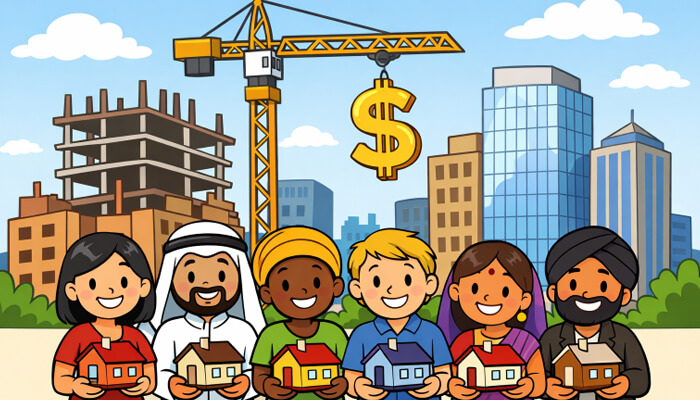
Immigration continues to shape the landscape of real estate projects across the United States. As cities adapt to shifting demographics, both developers and investors are keenly focused on new projects tailored for diverse populations. The evolving needs of immigrant communities are increasingly influencing the type and scope of real estate development. In particular, initiatives such as EB-5 projects exemplify how targeted investment is playing a pivotal role in shaping cities and supporting economic growth. Real estate professionals are not only responding to rising demand but also navigating an environment shaped by foreign capital and complex policy shifts. With new construction, redevelopment, and preservation all in play, immigration’s effect on the real estate sector is extensive. Growing immigrant populations in cities like Houston and Atlanta highlight shifts in housing demand, while international buyers continue to make their mark on the national market.
Immigration’s Impact on Housing Demand
Immigrant populations are a powerful driver of housing demand, especially in fast-growing urban areas. The metro regions of Houston and Atlanta demonstrate how both domestic migration and immigration ratchet up the need for new residential options, particularly workforce housing. These trends prompt developers to design with cultural sensitivity, neighborhood integration, and affordability in mind. Recent reports highlight the significant connection between influxes of new residents and the pressure on local markets, creating opportunities for innovative housing solutions. This increase in housing demand has sparked a new wave of development that targets schools, transit access, and community amenities tailored to diverse populations. As immigrant communities become an even larger part of the American urban fabric, responsive design and investment strategies will continue to grow in importance.
Foreign Investment in U.S. Real Estate
The activity of international purchasers is a key hallmark of the current real estate climate. Between April 2024 and March 2025, foreign buyers invested approximately $56 billion in U.S. residential real estate, representing a significant yearly increase. This capital infusion contributes to rising prices, especially within gateway cities and certain suburban areas, and further underscores the country’s attractiveness as a destination for global wealth. According to recent analysis from The Wall Street Journal, this trend shows every sign of persisting as foreign nationals diversify their holdings and seek both residency and returns on investment. Beyond individual purchases, entire communities and commercial projects are increasingly funded by international investors who see U.S. real estate as both a safe haven and an opportunity for growth. These investors sometimes participate through programs like the EB-5 visa, which encourages job creation while stimulating the housing and commercial real estate sectors. The involvement of foreign capital continues to broaden the scope and scale of projects, influencing everything from luxury condominium high-rises in New York City to new mixed-use developments in suburban regions. As global uncertainties shift capital toward tangible assets, U.S. real estate is poised to remain a magnet for investment from around the world.
Policy Changes and Market Dynamics
Immigration policies continue to interlink with real estate performance. Enhanced immigration enforcement, such as workplace raids and increased deportations, has reduced available labor, especially in construction. This drop-off in workers impacts project delivery timelines and drives up overall costs, exacerbating challenges for builders focused on housing affordability. Meanwhile, local opposition has arisen in response to proposals for large detention facilities, as seen with the debated 9,500-bed facility in Hutchins, Texas. These debates spotlight the deep interconnections between public policy and community stability, employment, and neighborhood development. State and federal policies also impact the types of housing that are in demand. For instance, cities with sanctuary policies or local immigrant support programs often see a larger migration of newcomers, presenting unique opportunities and challenges for real estate developers and city planners. The relationship between immigration, zoning laws, and incentives can determine whether communities experience renewal or strain under the weight of rapid population shifts. Seasoned investors must closely monitor legislative developments to anticipate changes in rental markets, home sales, and construction costs. As policymakers consider both security and economic growth, the resulting equilibrium will inevitably influence the short- and long-term outlook for American real estate.
Challenges in Workforce Housing
Developers who specialize in workforce housing are often caught between growing demand and constrained resources. Labor shortages, rooted in stricter immigration regulations, put upward pressure on build costs, slow project timelines, and threaten the timely delivery of badly needed housing stock. Simultaneously, as affordability remains front and center, innovative approaches in financing, construction technology, and public-private partnerships become essential in meeting the needs of both immigrant and native-born residents. One aspect frequently overlooked is the cultural and linguistic diversity within immigrant populations, which may necessitate new approaches to resident services and property management. Developers and landlords who invest in bilingual staff, culturally informed community programs, and flexible lease options often see better retention rates and more vibrant, resilient communities. Building long-term trust with residents not only helps individuals and families thrive but can elevate entire neighborhoods, attracting further investment and civic engagement. As demand for workforce housing continues to rise, these strategies will play an important role in the sector’s evolution.
Opportunities in Secondary Markets
As primary urban markets become increasingly competitive and expensive, secondary cities are gaining momentum. Markets like Phoenix and Nashville are witnessing rapid median home price growth as residents look for attractive, affordable alternatives to coastal hubs. These secondary markets represent a significant opportunity for real estate professionals able to leverage local talent, adapt to shifting preferences, and design homes for diverse lifestyles. As immigrants and longtime residents alike cluster in these cities seeking better living standards, developers who recognize these patterns stand to benefit from the next wave of housing demand. Secondary markets also offer unique strengths such as closer-knit communities, lower entry costs for buyers and investors, and untapped commercial real estate prospects. These locations frequently experience revitalization as small businesses, community organizations, and new homeowners infuse neighborhoods with energy and diversity. In turn, this can increase property values and spur further economic growth, creating a virtuous cycle that positions these cities as the next generation of urban success stories. Real estate firms and investors willing to engage deeply with local dynamics will be best positioned to identify profitable opportunities and foster lasting positive impact in these emerging hubs.
Conclusion
Immigration remains a central force in shaping the course of American real estate. From labor supply and demand for affordable homes to the influence of foreign capital and shifting policies, each factor intertwines to shape community growth and resilience. By understanding demographic shifts and the economic realities faced by immigrant populations, developers and investors are better positioned to create inclusive communities. The future of real estate will depend on how well the industry can respond to the evolving needs of a changing America.
