



Key Takeaways
- Consistent maintenance boosts the effectiveness and longevity of the AC system.
- Minor routine actions provide major savings and improved air quality.
- Annual professional inspections catch issues before costly repairs are necessary.
Keeping your air conditioning system in peak condition is essential for ensuring a comfortable home, controlling energy costs, and prolonging the lifespan of your investment. As summer approaches, regular maintenance can make the difference between a cool, stress-free environment and unexpected breakdowns or high utility bills. If you live in an area with hot summers, understanding the basics of optimal AC care and considering professional support, such as AC installation in Princeton, NJ, can be essential to maintaining a pleasant indoor environment.
Many homeowners are unaware of the simple steps they can take throughout the year to keep their systems running efficiently. Regular maintenance does more than provide immediate comfort; it offers long-term savings and protects your equipment from premature wear and tear. By building a maintenance routine and knowing when to call in a professional, you can minimize the risk of inconvenient breakdowns and keep cooling costs manageable.
From basic filter changes to strategic upgrades like programmable thermostats, implementing a few adjustments can have a considerable impact. These practices ensure your system is ready to handle the hottest days without consuming excessive energy. This not only helps the environment but also leaves more money in your pocket each month.
The following guide covers the most effective methods to increase your air conditioner’s efficiency, improve indoor air quality, and extend its lifespan. Armed with these tips, any homeowner can enjoy sustained comfort and peace of mind.
1. Regularly Replace or Clean Air Filters
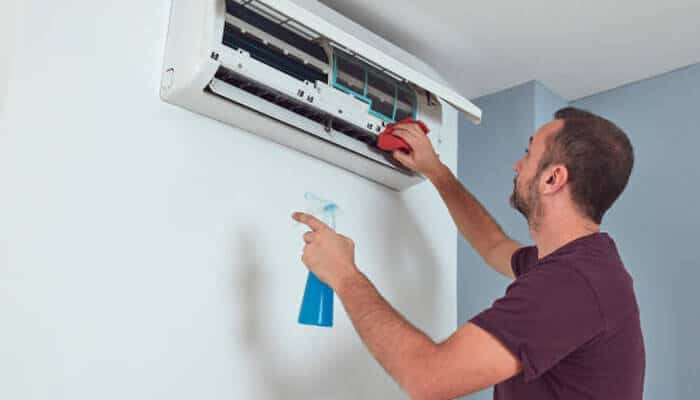
One of the most crucial maintenance steps is keeping your air filters clean. When air filters become clogged with dust, pollen, or pet hair, airflow is reduced, and the system has to work harder. This leads to more energy usage and increases the risk of component failure. It is recommended to inspect filters monthly and replace them every two to three months during peak seasons. Cleaner air filters improve indoor air quality and can significantly extend the life of your air conditioning unit.
2. Keep the Outdoor Unit Clear
Outdoor condenser units must be free from blockage for proper operation. Debris, overgrown plants, or outdoor clutter can drastically reduce airflow, forcing the compressor to overwork and increasing wear. Aim for a clear radius of at least two to three feet around the unit, and use a soft spray from a garden hose periodically to wash away accumulated dirt. Avoid power washers to prevent damaging the unit’s delicate fins.
3. Seal Air Leaks in Your Home
Unchecked leaks around doors and windows let conditioned air escape, undercutting your AC’s efforts and making your system run longer than necessary. Caulk, weatherstripping, or insulation can address many of these gaps, creating a tighter thermal envelope and enhancing your cooling strategy.
4. Utilize Programmable Thermostats
Programmable thermostats allow you to tailor cooling to your actual schedule. By raising the temperature when you are away and only cooling occupied rooms, you maximize efficiency without sacrificing comfort. These devices offer automatic adjustments and let you manage energy use even when you are away. According to the U.S. Environmental Protection Agency, properly using programmable thermostats can save up to 10% on heating and cooling costs.
5. Schedule Professional Maintenance
No matter how diligent your routine is, it is essential to have a certified HVAC professional inspect your system at least once a year. Technicians can check critical components, including refrigerant levels, wiring, duct connections, and moving parts. They have the tools and expertise to catch early warning signs of trouble, ensuring minor issues do not escalate into major failures or expensive repairs. Annual service visits help keep your warranty intact and provide a detailed performance snapshot of your AC system.
6. Use Ceiling Fans to Assist Cooling
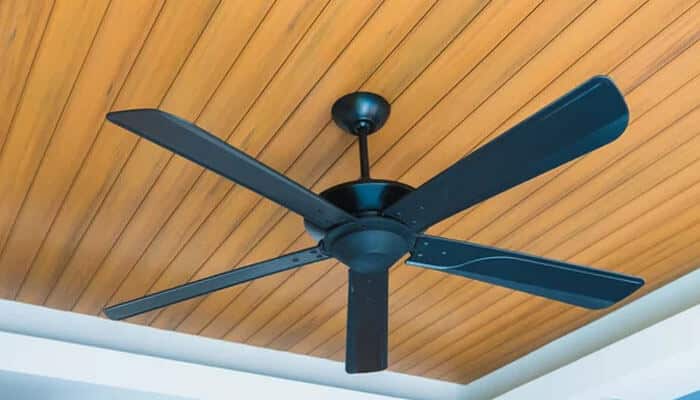
Ceiling fans support even air distribution throughout living spaces and often allow you to set your thermostat higher than you normally would. By moving air efficiently, ceiling fans can make a room feel up to 4 degrees cooler for a fraction of the energy required by a full air conditioning cycle. Remember to turn fans off in empty rooms since they cool by air movement, not by reducing room temperature.
7. Avoid Blocking Vents and Registers
Air vents and registers must remain clear to maintain proper airflow and system balance. Blockages, such as furniture, curtains, or toys, force your air conditioner to work harder against restricted airflow, leading to uneven cooling and higher energy consumption. Make periodic checks to ensure vents are open and accessible for optimal air circulation.
8. Consider Upgrading to Energy-Efficient Equipment
Air conditioning systems over 10 years old may be less efficient than newer models. Upgrading to a unit with a higher Seasonal Energy Efficiency Ratio (SEER) can deliver more cooling for less energy. Modern AC units use advanced compressors, improved refrigerants, and smarter controls for optimized performance. While the initial investment is significant, the energy savings and enhanced comfort pay dividends in the long run. ENERGY STAR-certified models, in particular, demonstrate proven results in reducing environmental impact and utility costs.
Summary
AC system maintenance is an ongoing process that combines vigilant routine care, periodic upgrades, and professional service. By taking proactive steps now, you ensure reliable cooling throughout the hottest months while minimizing repair costs, reducing energy use, and extending the availability of local specialists when needed.
