


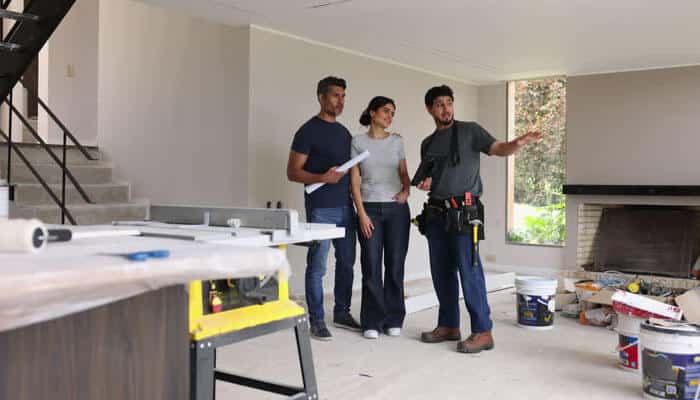

Home renovations are an opportunity to improve comfort, functionality and energy performance over time. Homeowners are able to design upgrades that lower energy waste plus create an efficient living environment rather than focusing only on appearance – this planning is helpful for lowering monthly expenses and preparing the home for different temperatures but also future technology.
Assess Your Home
Homeowners are encouraged to assess how the current building uses energy before beginning a project. Reviews of insulation levels, window performance and heating as well as cooling systems reveal where improvements are most effective. Understanding these issues is useful for creating a plan that addresses inefficiency instead of adding upgrades that only offer benefits for a short time.
Hidden problems that affect comfort and costs are often identified through a home energy evaluation. Air leaks, old equipment or poor ventilation are factors that force systems to work more than is necessary. Homeowners are able to create a balanced environment where new improvements support efficiency throughout the property – addressing these concerns during renovations.
Improving Insulation And Building Materials
Upgrades to insulation are an effective way to improve how a home performs. Proper insulation is helpful for maintaining indoor temperatures because it reduces heat loss when it is cold and limits heat gain when it is warm. Renovations to walls, attics, basements or additions are ideal opportunities to improve insulation next to make the home more efficient.
Energy efficient building materials are also helpful for long term savings. Windows that prevent heat transfer, doors with insulation and roofing that reflects sunlight lower the energy needed to keep the interior comfortable – these improvements require a high initial cost but they are useful for decreasing operating expenses plus making the home more durable.
Planning Heating And Cooling Improvements
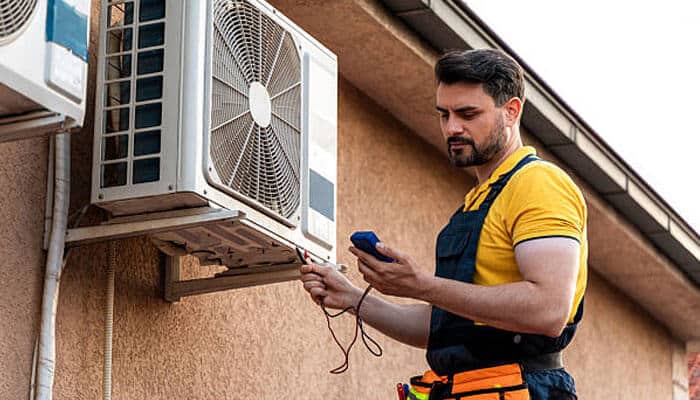
Household energy use is impacted significantly – heating and cooling systems. Homeowners are encouraged to check if existing equipment is the correct size, well maintained but also suitable for the new home design. Systems are able to operate more efficiently when renovations improve insulation and how air moves through the house.
Professional guidance is helpful to ensure equipment matches the needs of the home during cooling upgrades. An air conditioning installation service is available to help homeowners select as well as install equipment that is reliable and does not use more energy than necessary. Proper planning is a way to ensure new systems work well with other improvements.
Creating Better Airflow And Ventilation
Airflow or ventilation are essential parts of an energy efficient design. Renovations are a time to consider how air moves between rooms and if systems support healthy conditions. Poor airflow is a cause of uneven temperatures next to makes systems work harder to maintain comfort.
Indoor air quality and moisture levels are also managed through better ventilation. Upgrades like exhaust systems plus tools for air circulation support a healthy environment – these changes are a way for homeowners to remain comfortable while reducing the strain on energy systems.
Incorporating Smart Energy Solutions
Modern technology is available to help homeowners monitor and control energy use after a renovation. Smart thermostats, automated lights but also monitoring devices allow residents to change settings based on their routines – these tools are effective at reducing waste – ensuring systems are only active when they are needed.
Appliances that use less energy and smart features are also important during renovation planning. Selecting products that have high efficiency ratings is a way to lower electricity consumption. A sustainable approach to managing energy is possible when efficient appliances are combined with improved home design.
Conclusion
Careful planning as well as attention to the entire property are necessary when designing renovations for energy savings. Improvements to insulation, ventilation, materials and systems create benefits that last longer than just immediate lower costs. Homeowners are able to build a comfortable or cost effective home for the future – prioritizing efficiency at the start of a project.
