


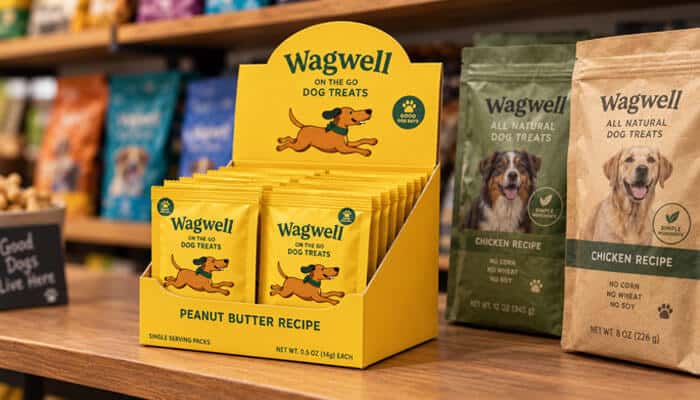

Key Takeaways
- Belmark custom display boxes are designed to protect products, organize individual units, and create a retail-ready presentation.
- Its display-ready folding cartons can convert into shelf or counter displays without requiring a separate large fixture.
- Brands can use Belmark for display cartons, pressure-sensitive labels, and flexible packaging through one packaging relationship.
- Belmark supports prototypes, retail tests, seasonal programs, and larger production needs with no stated order minimum for custom display boxes.
- Sustainability-oriented material directions include tru-IMPACT® and eco-READY™ options.
What Retail Packaging Problem Does Belmark Solve?
Products can have strong branding and a well-made primary package yet still be difficult for shoppers to notice, browse, or remove from a retail shelf. Display-ready packaging addresses that gap by combining product containment with a presentation format designed for a counter, shelf, endcap, or promotional location. Brands evaluating options for display boxes can use this approach to consider visibility, product access, replenishment, and brand communication together. Belmark produces display-ready folding cartons that house products and convert into a shelf or counter display when opened. The result is intended to help retailers set out products with less assembly while giving brands a dedicated surface for merchandising graphics. Belmark also produces pressure-sensitive labels and flexible packaging, which can help a brand coordinate its retail presentation across packaging formats.
Why Are Display-Ready Folding Cartons Different From Ordinary Shipping Cartons?
A standard shipping carton is primarily designed to move goods through the distribution process. A display-ready carton must also support the presentation of products upon arrival. Its structure can be planned around unit count, product orientation, front access, shelf footprint, and the way store employees will open or replenish the display. That distinction matters because the display carton becomes part of the shopper experience. It should hold products securely while allowing customers to see, understand, and remove individual units without disrupting the rest of the pack. Belmark focuses on display-ready folding cartons rather than large standalone floor displays, making its solution especially relevant for shelf, counter, and promotional placements.
Which Display Box Formats Can Brands Consider?
- Counter display cartons: A practical option for checkout areas, service counters, and other compact spaces where products should be accessible for impulse purchases.
- Shelf-ready display cartons: Designed for retail shelves and promotional sections where the carton can transition from transport packaging to a product-facing display.
- Custom display-ready folding cartons: Suitable when product dimensions, weight, unit count, opening requirements, or visual presentation call for a tailored structure.
Choosing among these formats should involve more than comparing outside dimensions. Brands should first identify where the carton will sit, how many units it needs to hold, what shoppers need to see, and how the retailer will stock it. Packaging teams should also account for the principal display panel and required product information. Retail package display guidance from NIST explains the relationship between normal retail presentation and the principal display panel.
How Does Belmark Design for Shelf Visibility?
Structure and Shopper Access
Structural decisions influence how a display performs in a store. Front openings, carton height, side walls, product orientation, and access points all affect whether the product stays organized and easy to reach. A carton that holds too many units may obscure the product, while a carton with too little capacity may require frequent replenishment. The right balance depends on the product, retail location, and anticipated sales pace.
Graphics and Brand Consistency
A display carton also serves as a point-of-sale brand surface. Header areas, front lips, side panels, and product-facing portions of the carton can reinforce product identity and help shoppers recognize the brand from different viewing angles. Belmark identifies G7 certification as part of its color-management capability, supporting predictable color reproduction across packaging production.
Which Products Can Use Belmark Custom Display Boxes?
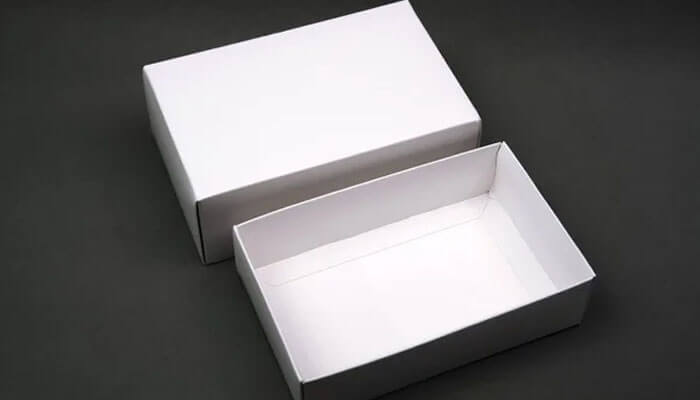
Belmark highlights display-ready cartons for snack and energy bars, meat sticks and jerky, nutraceutical products, and pet treats. Each category has different practical needs. Energy bars may need orderly shelf presentation, protein snacks may need a sturdy high-traffic display, supplements may benefit from clean counter organization, and pet treats may need a carton that remains presentable during frequent shopper interaction.
How Does a Brand Move From Concept to Production?
- Share the project requirements: Provide product dimensions, unit weight, retail environment, desired quantity, graphics needs, and timeline.
- Review structure and material recommendations: Belmark packaging consultants can recommend a carton structure, material direction, and finish based on the project goals.
- Develop and approve the display concept: A prototype can help stakeholders review product fit, opening behavior, and visual presentation before a broader run.
- Scale as the program grows: The same packaging relationship can support new SKUs, retail tests, seasonal promotions, and expanded distribution.
Belmark states that custom display boxes have no order minimum, which can be useful for buyer meetings, regional launches, and national programs alike. It also offers prototypes for reviewing carton structure and presentation, while noting that prototypes are not shelf-ready for food products.
What Sustainable and Quality Considerations Apply?
Belmark offers tru-IMPACT®, which incorporates responsibly sourced and post-consumer recycled materials, and eco-READY™, which is designed for recyclability. The best direction depends on the product, material requirements, retailer expectations, and intended end-of-life pathway. A single feature does not determine sustainability; brands should evaluate the entire packaging system rather than rely on a single claim. Belmark also identifies G7 certification, Sustainable Forestry Initiative support for folding-carton supply chains, FSC-certified sourcing for applicable pressure-sensitive materials, and SQF certification among its stated quality and safety capabilities. Requirements should always be matched to the specific product, material, and production program.
What Should Brands Ask Before Requesting Display Boxes?
- What are the exact product dimensions, weight, and unit count?
- Will the carton be placed on a shelf, counter, endcap, or checkout display?
- How will a retailer open, stock, and replenish the carton?
- Which product details must remain visible during normal retail display?
- Does the display carton need to ship with products inside?
- Will the project begin with a prototype, a limited test, or a larger rollout?
- Are recycled content, recyclability, certified sourcing, or food-safety considerations part of the packaging brief?
Frequently Asked Questions
1. What kind of display boxes does Belmark produce?
Belmark specializes in display-ready folding cartons that contain products and convert into shelf or counter displays when opened. It does not position these cartons as large standalone display fixtures.
2. Can Belmark support both small and large programs?
Yes. Belmark states that there is no order minimum for custom display boxes, allowing brands to consider projects ranging from prototypes and retail tests to larger production programs.
3. Can one supplier coordinate cartons, labels, and flexible packaging?
Belmark produces display cartons, pressure-sensitive labels, and flexible packaging. For brands using multiple packaging formats, this can simplify coordination of color, graphics, and overall retail presentation.
4. Making Retail Packaging Work Harder
Belmark custom display boxes offer a practical route for brands that need packaging to do more than transport products. By planning for protection, product access, shelf presentation, retail setup, and consistent branding from the start, brands can select a display-ready carton that is better aligned with how their products will actually be sold.
Conclusion
Belmark custom display boxes can help food, snack, nutraceutical, and pet-product brands combine product protection with retail presentation in a single packaging format. Display-ready folding cartons can transition from shipping or distribution into shelf or counter displays, giving retailers a practical way to present individual products while maintaining organized placement. Brands can also consider coordinating display cartons with pressure-sensitive labels and flexible packaging when multiple packaging formats are part of the same product line. Prototyping, flexible order requirements, and options such as tru-IMPACT® and eco-READY™ provide additional factors to consider when developing a packaging program. Before selecting a display box, brands should evaluate product dimensions, unit count, retail placement, accessibility, required information, material needs, and retailer expectations. A well-planned display carton should ultimately reflect how the product will be transported, stocked, presented, and handled in its intended retail environment.
