


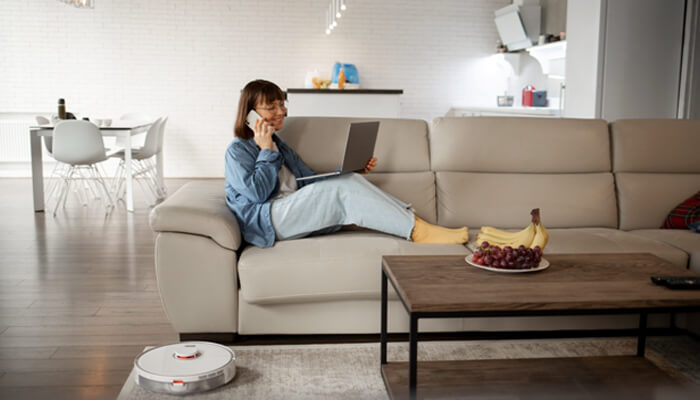

You don’t need a full renovation to make your home feel noticeably better. A few well-chosen upgrades, ordered from your couch on a Saturday morning, can change how a room looks, feels, and works day to day. The trick is knowing what to buy, what to measure first, and how to reduce the chance of returns on bulky or fragile items.
This room-by-room guide covers practical upgrades for Australian homes. Whether you’re a renter who needs reversible changes or a homeowner ready to invest in longer-term improvements, these ideas are simple enough to start this weekend.
Before You Click Buy: Plan, Measure, and Budget
Define Your Style and Use
Before you start browsing, spend ten minutes thinking about how you actually use the room. A living room that doubles as a home office needs different upgrades from one used mainly for relaxing. Take one or two photos of the space on your phone so you can compare colours, finishes, and proportions while you shop. A simple folder of saved images can also keep your choices consistent and prevent impulse buys that don’t match what you already own.
Measurement Musts
This step saves more headaches than almost anything else. Grab a tape measure and note wall heights, alcove widths, doorway clearances, and the distance between power points. For furniture, measure the delivery path too, including hallways, stairwells, lifts, and tight corners between the front door and the room. Accurate measurements are the easiest way to avoid returns when shopping for home upgrades online. Keep them in a note on your phone so they’re always handy.
Entryway Upgrades That Work Hard
Slim Shoe Bench and Wall Hooks
A narrow bench, around 30 to 40 cm deep, gives you a spot to sit and put on shoes while hiding a few pairs underneath. Pair it with a row of wall hooks at two heights: one for bags and coats, and a lower set for kids’ items or dog leads. In a rental, adhesive hooks rated for 3 kg or more can do the job without drilling.
Lighting and Small Organisers
A motion-sensor bulb or smart bulb in the entry light means you won’t fumble for a switch with bags in hand. Add a small tray on the bench or a wall-mounted pocket for keys, sunglasses, and mail. An umbrella stand beside the door is also useful during Australia’s unpredictable wet seasons.
Bathroom Walls: Grout-Free Looks Without the Hassle
Panels Versus Tiles
Traditional tiles can look sharp, but grout lines collect grime and need regular scrubbing. Large-format wall panels are an alternative worth considering because they cover more area per piece, which means fewer seams and less ongoing maintenance. The trade-off is that seam placement matters. Plan where joins will fall around alcoves, niches, tapware, and shower screens. Always check the manufacturer’s waterproofing details and installation notes before ordering, because suitability can vary by wet-area setup.
What to Measure and How to Start
Measure the wall height from floor to ceiling, mark the positions of taps and shower heads, and sketch any recessed shelves or alcoves. Many panel suppliers offer samples so you can check the finish and colour against your existing fixtures. If you want a grout-free look for wet areas, you can shop bathroom wall panels online to compare slab sizes and request samples. Review installation notes and suitability for your specific space on the retailer’s page before ordering full panels.
Living Room Refresh: Light, Cables, and Surfaces
Smart Bulbs and Plug-In Dimmers
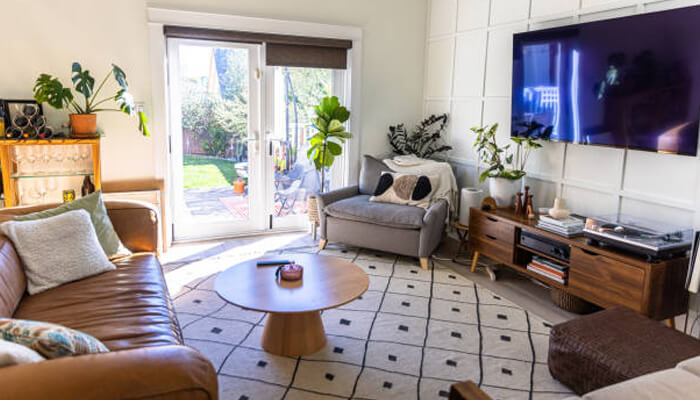
Swapping one overhead light for two or three lamps at different heights can change the feel of a living room quickly. Smart bulbs let you adjust colour temperature, so you can use bright, cool light for reading and warmer, dimmer light for movie nights. Plug-in dimmer adapters work with many standard lamps and are usually inexpensive.
Cord Channels and Low-Profile Power Boards
Cable clutter can make an otherwise tidy room feel unfinished. Adhesive cord channels, painted to match the wall, keep TV and console cables neat without drilling. A slim power board with USB ports, mounted behind furniture with adhesive strips, can reduce clutter further. These are small changes, but they make a room feel calmer and easier to clean.
Bedroom Comfort: Sleep-Friendly Tweaks
Blockout Curtains and Layered Lamps
If streetlights or early sunrises interrupt your sleep, blockout curtains are one of the most useful upgrades you can make. Look for curtains with a white backing if heat reflection matters in your room. Layer your lighting with a bedside lamp on a dimmer and a clip-on reading light, so one person can read while the other sleeps.
Under-Bed Storage and Bedside Organisation
Flat storage drawers on castors slide under many bed frames and work well for seasonal clothes or spare linen. Bed risers can add an extra 10 to 15 cm of clearance if your frame sits low. A bedside caddy or small shelf keeps your phone, glasses, and book off the floor without taking up much space.
A Better Home Office: Simple Ergonomic Wins
Monitor Stand and Cable Ties
Raising your screen so the top sits near eye level can reduce neck strain. A simple monitor stand or adjustable arm often solves the problem without replacing your desk. While you’re there, bundle desk cables with reusable velcro ties and route them through a cable tray that clips to the underside of the desk.
Task Light and Soft Furnishings
A desk lamp with adjustable brightness helps during late-afternoon calls and evening work. If you take video calls often, a small rug or fabric wall hanging behind your chair can soften echo and improve audio. A footrest, even a low stool, can also make long work sessions more comfortable.
Laundry, Bath, and Mudroom Floors: Dry Fast, Clean Fast
Quick-Dry Mat Materials
Standard fabric bath mats can stay damp for hours, which may lead to musty smells and slippery floors. Stone-style mats made from diatomite, a natural mineral material, absorb water quickly and dry faster than many fabric options. They can also suit laundries and mudrooms where you want a mat that doesn’t stay soggy. For a quick-dry, stone-style option that’s easy to wipe down, you can shop bath mat diatomite online and review the brand’s care instructions and available colours before you buy. Follow the manufacturer’s care guide, as some materials only need a light sand or wipe while others have specific cleaning recommendations.
Dining Area: Make Small Spaces Feel Bigger
Glass-Top Tables for Light and Flow
A glass dining table reflects light and lets you see through to the floor, which can make a small dining area feel more open. Round tables work well in tight spaces because there are no sharp corners to squeeze past. Rectangular tables suit longer rooms. As a general guide, allow 60 to 75 cm of table width per diner so everyone has enough elbow room.
Delivery and Safety Checks
Before ordering, measure hallways, doorways, stairwells, and lifts along the delivery path. Glass tabletops are heavy and fragile, so confirm the product specs list tempered or toughened glass, and check the glass thickness and edge treatment. If you’re in Brisbane or the Gold Coast and like an airy look, compare glass-top dining table shapes, base styles, and local delivery details before choosing a size. Delivery areas and stock availability vary, so check the retailer’s page for current details.
Balcony or Patio: Weather-Savvy Style
Solar Lights, Rugs, and Storage
Solar string lights add atmosphere without adding to your electricity bill. A weather-resistant outdoor rug, such as one made from polypropylene, defines a seating zone and feels comfortable underfoot. Planters in different heights add greenery and privacy. A storage bench can double as seating and a place to stash cushions when it rains. Choose furniture and textiles rated for outdoor use in Australian conditions to reduce fading, mildew, and early wear.
Smart Buying Checklist for Australian Shoppers
Delivery, Returns, and Warranties
Delivery areas, timeframes, and return policies vary between retailers. Before ordering bulky or fragile items, check the seller’s delivery and return pages for service zones, restocking fees, and return windows. If a retailer offers samples for wall panels, tiles, fabrics, or finishes, use them where possible. A small upfront cost for samples can prevent a much larger return problem. Review warranty terms too, especially for furniture and electrical items. If a dining table is on your shortlist, you can shop dining tables with glass top to compare shapes, delivery areas, glass specs, and fragile-item return limits before buying.
Payment and Budgeting
Many Australian retailers offer buy-now-pay-later options. These can be convenient, but set a room budget before you start and stick to it. Spreading costs across several rooms can add up quickly. For broader context on payment protection and consumer rights, see this guide to online shopping trends before making larger purchases.
Conclusion
You don’t have to tackle every room at once. Start with the space that bothers you most, measure carefully, order a sample or two where it makes sense, and build from there. Each small upgrade can add more style and function to your daily routine. With a tape measure, a clear idea of what you need, and a few careful choices, you can improve your home without the dust, noise, or stress of a full renovation.
FAQs
What upgrades add the biggest day-to-day convenience in a rental?
Adhesive wall hooks, smart bulbs, blockout curtains, and quick-dry bath mats can make a noticeable difference without permanent changes. They’re easy to install, easy to remove when you move out, and useful from the first day.
How do I avoid returns when ordering furniture online?
Measure both the furniture and the delivery path, including doorways, hallways, stairs, lifts, and tight corners. Compare your measurements with the product page’s dimension diagram. Check the return policy and any restocking fees before ordering, especially for large or fragile items.
Are peel-and-stick options really renter-friendly?
Most peel-and-stick tiles, wallpaper, and hooks are designed to remove cleanly, but results depend on the surface. Test a small piece in a hidden spot first. Textured or freshly painted walls can sometimes lead to adhesive residue or paint damage, so check the product’s recommended surfaces.
What’s a sensible first-upgrade budget for one room?
You can make a meaningful difference in one room for about $150 to $400, depending on the items. Start with one or two functional upgrades, such as better lighting and a storage solution, rather than trying to refresh everything at once. This keeps costs manageable and helps you see what improves your daily routine before spending more
