


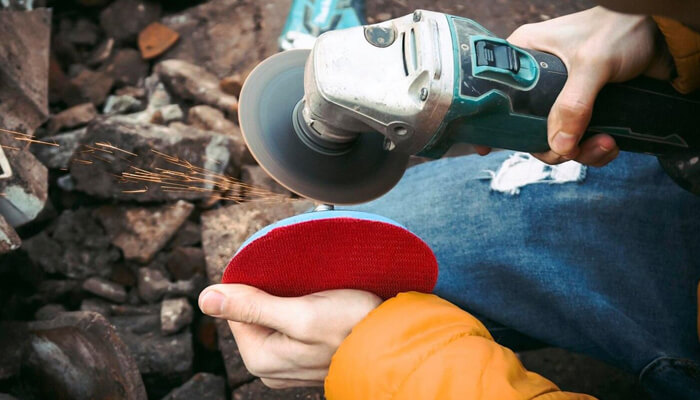

Concrete grinding tools play a crucial role in construction, renovation, and surface preparation. Whether smoothing rough slabs, removing coatings, or preparing floors for polishing, these tools are designed to handle one of the toughest materials in building—concrete. Understanding how concrete grinding tools work and what options are available can help both professionals and DIY users achieve better results with less effort.
What Are Concrete Grinding Tools?
Concrete grinding tools are abrasive tools used with machines like angle grinders or floor grinders to remove material from concrete surfaces. Most modern tools use diamond abrasives because diamond is one of the hardest known materials, allowing efficient grinding of tough surfaces like concrete, stone, and masonry.
The most common form is the diamond grinding cup wheel, which features diamond segments bonded to a metal body. These segments grind down surfaces, removing imperfections, coatings, or uneven layers.
Types of Concrete Grinding Tools
Diamond Cup Wheels

Diamond cup wheels are among the most widely used tools for grinding concrete. They are cup-shaped and attach to grinders for surface work.
They come in different segment styles:
- Single-row wheels for lighter grinding tasks
- Double-row wheels for faster, more aggressive material removal
- Turbo wheels for smoother finishes
These tools are versatile and can handle tasks such as leveling surfaces, removing paint or adhesives, and preparing concrete for coatings.
Grinding Segments and Shoes
Grinding segments or “shoes” are typically used with floor grinders. They attach to plates and are ideal for large-scale jobs like warehouse floors or commercial spaces.
These tools come in different grit levels, which determine how coarse or fine the grinding process is. Lower grit numbers remove material quickly, while higher grits are used for finishing and polishing.
Polishing Pads
After grinding, polishing pads refine the surface. These pads are usually resin-bonded and come in a range of grits, allowing users to achieve a smooth or glossy finish.
Polishing pads are essential for decorative concrete floors and high-end finishes, especially in residential or retail spaces.
Floor Grinders
Floor grinders are machines that power grinding tools. They range from handheld grinders for small jobs to large walk-behind machines for industrial use.
These machines often use multiple grinding discs and can operate wet or dry, depending on the application. Dry grinding typically requires dust extraction systems to control debris.
Key Factors to Consider When Choosing Grinding Tools
Material Hardness
Different concrete mixes vary in hardness. Softer concrete requires harder bonds, while harder surfaces need softer bonds so the diamonds can wear and expose new cutting edges effectively.
Grit Size
- Coarse grit (30–50): Heavy material removal
- Medium grit (60–100): General grinding
- Fine grit (120+): Smoothing and polishing
Choosing the right grit ensures efficiency and prevents unnecessary wear.
Tool Compatibility
Not all grinding tools fit every machine. Always check compatibility with your grinder, including arbor size and RPM limits.
Application Type
Consider the specific task:
- Removing coatings or adhesives
- Leveling uneven concrete
- Preparing surfaces for epoxy
- Polishing decorative floors
Each application may require a different tool type or grit sequence.
Benefits of Using Diamond Grinding Tools
Diamond-based tools offer several advantages:
- High efficiency: Faster material removal with less effort
- Durability: Longer lifespan compared to traditional abrasives
- Precision: Better surface quality and consistency
- Lower long-term cost: Reduced need for frequent replacement
These benefits make them the preferred choice for both professionals and serious DIY users.
Safety Tips When Using Concrete Grinding Tools
Working with grinding tools requires caution:
- Always wear protective gear such as goggles, gloves, and masks
- Use dust extraction systems to minimize airborne particles
- Avoid excessive speed to prevent tool damage or accidents
- Ensure tools are properly mounted and balanced
Grinding tools operate under high stress, and improper use can pose safety risks.
Conclusion
Concrete grinding tools are essential for shaping, smoothing, and preparing surfaces in modern construction and renovation. From diamond cup wheels to large floor grinders, each tool serves a specific purpose in achieving professional results.
By understanding the different types, selecting the right grit and bond, and using proper techniques, you can significantly improve both efficiency and finish quality. Whether tackling a small home project or a large commercial job, choosing the right grinding tools makes all the difference in achieving a durable and polished concrete surface.
