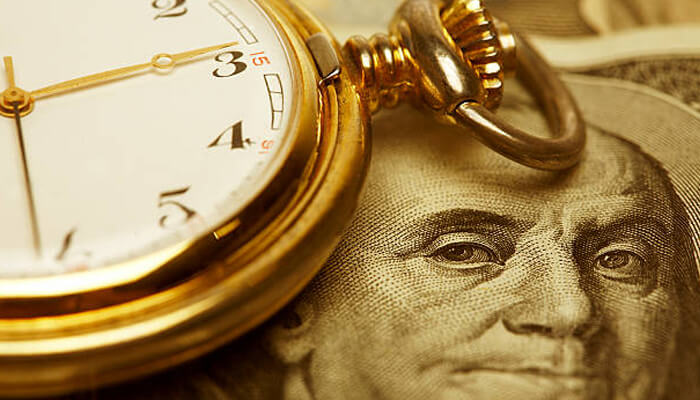
Have you ever asked yourself why some watches hold their value for decades while others fade quickly despite similar looks? The secret often lies in heritage, scarcity, and condition. Watches with a rich history, limited availability, and exceptional condition tend to retain their value, making them more desirable to collectors and investors alike. Understanding these factors can help you recognize which timepieces are likely to stand the test of time.
The answer often comes down to three powerful factors: heritage, scarcity, and condition.
These elements continue to shape long-term watch value because they connect emotion with logic. Buyers are not only paying for a timepiece; they are investing in history, rarity, and preservation. While trends may shift and market interest may rise or fall, these three pillars remain steady and reliable.
Understanding how they work together can help buyers make smarter, more confident decisions. It also helps avoid common mistakes that lead to regret after purchase.
Heritage Influence
Heritage gives a watch its identity. It reflects the story behind the design, the craftsmanship involved, and the role the watch has played over time. Buyers often feel a strong emotional pull toward pieces that carry meaningful history.
However, heritage is not just about age. It is about relevance and continuity. A watch linked to a significant design era, a technical milestone, or a cultural moment often gains deeper respect among collectors and buyers alike.
This historical weight creates trust. When a watch has a well-documented background, buyers feel more secure about its place in the market. That sense of security supports long-term value.
Historical Significance
Watches with clear historical significance tend to perform better over time. For example, models that introduced new mechanical features or marked a shift in design language often stand out.
In addition, consistent documentation strengthens credibility. Buyers now rely on verified timelines, reference details, and production records to understand how a watch fits into a broader story. This approach reduces guesswork and builds confidence.
A detailed Patek Philippe watch guide can help buyers study how historical development, craftsmanship, and model evolution contribute to long-term value patterns, even without focusing on specific names.
Scarcity Factor
Scarcity adds another layer of value by limiting supply. When fewer units are available, demand naturally increases, especially if the watch already has a strong heritage.
However, scarcity must be genuine. Artificial scarcity or short-term hype rarely holds value over time. Buyers are now more careful and often verify production numbers, discontinued models, and availability trends before making a decision.
True scarcity creates urgency, but it also creates stability. When a watch is difficult to find, it tends to retain attention and pricing strength even during market fluctuations.
Limited Production And Availability
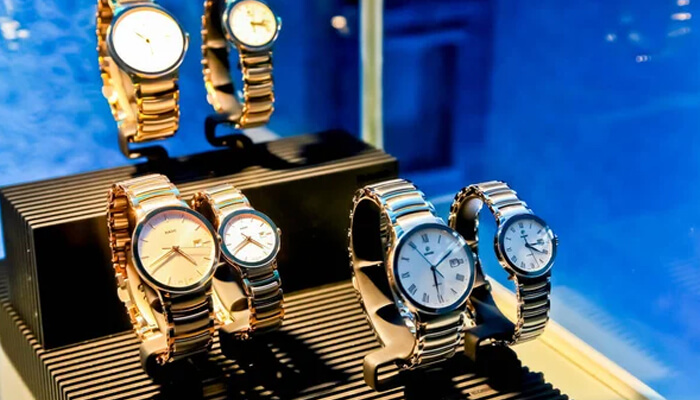
Limited production runs, discontinued references, and rare configurations often command higher interest. Buyers look for details such as unique dial variations, uncommon materials, or short production periods.
At the same time, availability across the secondary market matters. If a watch appears frequently in listings, it may not carry the same scarcity value, even if it is no longer produced.
This is where careful observation plays a role. Buyers who track listings, compare availability, and study past sales gain a clearer understanding of what is truly rare.
Condition Importance
Condition is one of the most practical factors influencing long-term value. Even a watch with a strong heritage and real scarcity can lose value if it is poorly maintained.
Buyers now pay close attention to originality, wear, and service history. A well-preserved watch often commands higher respect because it reflects proper care over time.
Condition also affects emotional appeal. A clean dial, sharp case edges, and original components create a sense of authenticity that buyers value highly.
Preservation And Authenticity
Original parts play a critical role in maintaining value. Replacement components, heavy polishing, or visible damage can reduce both trust and price.
At the same time, proper servicing is essential. A watch that runs well and has documented maintenance offers reassurance to the buyer. It signals that the watch has been cared for, not neglected.
Buyers now balance two key points:
- Originality of parts and finish
- Quality and timing of service history
This balance helps them judge whether a watch has been preserved correctly. It also supports long-term confidence in ownership.
How These Factors Work Together
Heritage, scarcity, and condition do not operate separately. They work together to shape the overall value of a watch.
A watch with a strong heritage but poor condition may struggle to maintain value. Similarly, a rare watch without historical relevance may not hold long-term interest. However, when all three factors align, the result is powerful.
For example, a historically important watch that is rare and well-preserved often becomes highly desirable. Buyers recognize both its story and its physical integrity, which strengthens demand.
This combined effect explains why some watches remain stable in value even during uncertain market periods. The foundation is simply stronger.
Market Behavior And Buyer Awareness
Modern buyers are more informed than ever. They research details, compare listings, and question claims before making a purchase. This shift has reinforced the importance of heritage, scarcity, and condition.
Because of this awareness, weak examples struggle to compete. Watches with unclear history, high wear, or uncertain authenticity face more resistance from buyers.
At the same time, well-documented and carefully preserved watches attract serious attention. Buyers are willing to pay a fair price when they feel confident about what they are getting.
This behavior creates a healthier market. It rewards quality, transparency, and long-term thinking instead of quick decisions.
Final Thoughts
Heritage, scarcity, and condition continue to drive long-term watch value because they combine emotional connection with practical reasoning. Buyers are not just purchasing a timepiece; they are selecting something with history, rarity, and lasting integrity.