


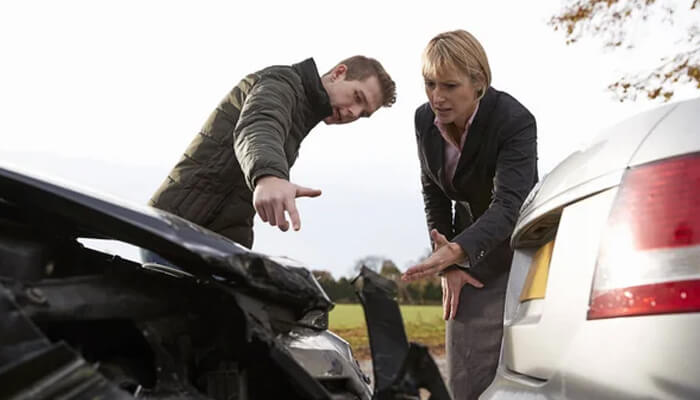

In the moments right after a car accident, the decisions you make can shape your ability to recover physically, financially, and legally. Speaking with a Mesa car accident lawyer early on can help you avoid common missteps that might weaken your claim. From documenting the scene to seeking medical care and dealing with insurance companies, each step carries weight. In a fast-growing city like Mesa, Arizona, where busy intersections and daily commutes increase the likelihood of collisions, knowing how to respond is especially important.
Local traffic patterns, state laws, and insurance practices all play a role in how claims are handled. Taking the right actions immediately not only protects your rights but also strengthens your case if disputes arise later. Understanding what to do from the outset can make a meaningful difference in how smoothly your recovery process unfolds.
Check for Injuries and Make Sure Everyone Is Safe
The first thing to do after a collision is to check for injuries. Check yourself and other passengers for pain or visible injuries. Do not move anyone who appears to be injured unless they are in immediate danger. Call emergency services to get medical support immediately. Notifying professionals quickly enables proper treatment and documentation of what happened in an official medical record that can later be of substantial help.
Call Law Enforcement

Even when some incidents may be minor, the police must be called. Officers document what they see and write up an official report about what they found, so it can also become quite helpful evidence. Having local authorities involved permits the management of the problem, works towards potential mitigation and aid, and helps create an environment with increased communication. Working with law enforcement to produce a trustworthy account of events.
Exchange Information With Other Parties
Collecting evidence from participants aids impending action. Gather some basic information, such as names, addresses, contact numbers, and policy numbers. When this information includes vehicle descriptions, license plate numbers, and driver’s license information, results can be achieved with a higher level of accuracy. Avoid blaming and making commitments, and remain focused to share the details.
Document the Scene Thoroughly
Take pictures of the scene, the cars involved, and any cuts or bruises that may be visible. It is necessary to capture images from many angles to reconstruct events later. Details such as weather, road conditions, and time provide useful context. These records could help explain what happened and be used for statements to insurers or legal representation if needed.
Get Statements from Witnesses
If there were any bystanders to the incident, locating and speaking to them can help your case. Take down their names and contact information in case you have to send follow-up questions. Ask them to briefly put into words what they saw, either in writing or on tape, if possible. If other accounts corroborate your version of events, you’ll be able to add credibility.
Avoid Admitting Fault or Apologizing
If someone is stressed, they often apologize or take the blame. Those kinds of statements could be seen as confessions of guilt, at least inadvertently. Take responsibility for cataloging the comments you write, and allow investigators to establish the cause. Talk to others there, but speak of facts, not personal opinions.
Notify Your Insurance Provider Promptly
It’s also important to report the collision to your insurance company. Include the correct information and attach proof, like pictures and the police report. Prompt notice allows the insurer to start their evaluation sooner and can help avoid delays to your claim. Keep the process moving by quickly responding to requests for more information.
Even Minor Symptoms Can Require Medical Attention
While some injuries may seem mild in the beginning, they may get worse over the course of days and weeks. See a medical professional to identify and treat issues. Injuries may also be connected to the accident in medical records, which may assist with future claims. Adhere to all treatment directions and keep copies of the relevant information on medical documents.
Reach Out to a Lawyer if Needed
When involved in a serious accident or dispute, a legal advisor may help. An attorney can explain your rights, evaluate liability, and assist with negotiations. Getting professional advice early can help you avoid pitfalls and protect yourself. This is where an attorney makes sure that every action taken reflects the best interests of clients.
Conclusion
These deliberate steps taken after an accident ensure that rights are protected and provide a smoother road to recovery. By keeping safety in mind, taking the time to do your research, and moving cautiously, you can help minimize harm and complications. Being prepared helps a person deal with fallout with the respect and calmness of self-confidence.
