


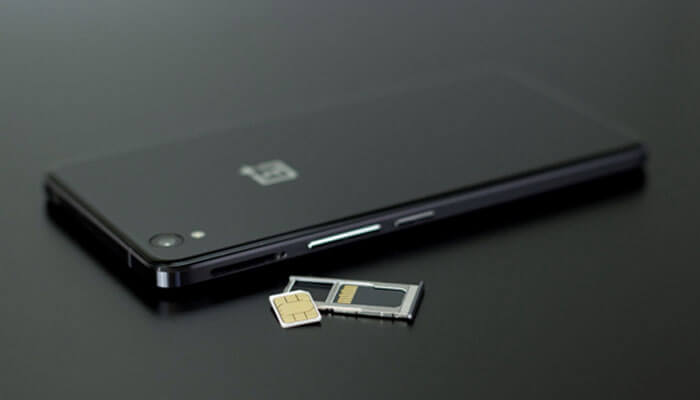

The removable SIM card is on its way out. Device makers are replacing it with a chip soldered directly onto the circuit board, and carriers now deliver subscriptions as a software download instead of a piece of plastic. For businesses, this shift pays off in two places at once: in connected equipment out in the field, and in the pockets of employees who travel.
Why The Plastic SIM Stopped Making Sense
A removable SIM works fine in a phone that sits in someone’s hand. It works far less well in a sensor bolted to a bridge or a tracker inside a shipping container. Vibration can shake a card loose from its holder, and moisture can corrode the contacts. When that happens, the device drops offline and someone has to drive out and reseat or replace the card.
There is a commercial problem on top of the technical one. A traditional SIM ties the device to a single carrier. If a company later wants to switch providers across a fleet of thousands of devices, every single card has to be swapped by hand. That turns a simple contract decision into a field operation with real labor costs.
The Embedded SIM Built For Machines
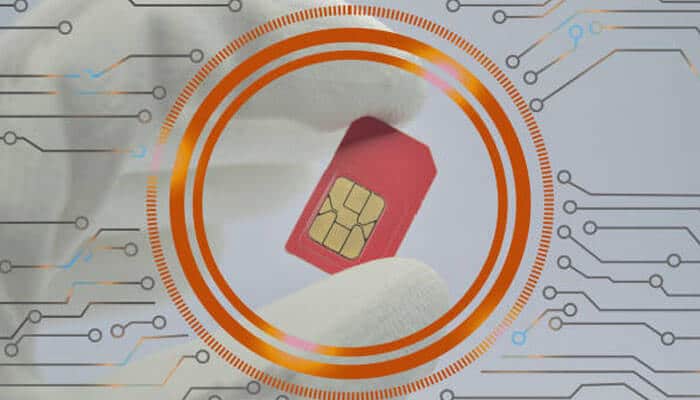
The industry’s answer was to turn the SIM into a component. Instead of a card in a holder, the SIM becomes a small chip that is soldered onto the board during manufacturing, just like any other part. In datasheets this format is listed as mff2, a package only a few millimeters across that tolerates vibration and temperature swings far better than a removable card.
Because the chip cannot be pulled out, the carrier question is solved in software. An embedded SIM (eSIM) that supports remote provisioning can receive a new operator profile over the air. A company can switch providers or add coverage in a new country without anyone touching the hardware. For a deployment of ten devices, that is convenient. For a deployment of ten thousand, it changes the economics of the whole project.
The Same Idea For People Who Travel
The technology that keeps a sensor online also solves an old headache for traveling staff: roaming. Anyone who has opened a phone bill after a week abroad knows how quickly data charges add up, and buying a local prepaid card at the airport means a new number and a fiddly card swap. With an eSIM for business travel, an employee downloads a local data plan before boarding the plane and lands with working connectivity at a predictable price.
For the company, the gain goes beyond the phone bill. The regular number can stay active for calls, so colleagues and clients can still reach the traveler. And because the plan is a download rather than a physical card, IT can arrange connectivity for a whole team remotely instead of handing out plastic at the office.
How To Prepare For The Switch
Adopting embedded SIM technology starts with an inventory, not a purchase. Check which of your devices and company phones already support eSIM or an embedded chip; most recent hardware does, but older equipment may not. Then look at providers: the deciding factor is remote provisioning, because an embedded SIM without the ability to change profiles over the air recreates the old lock-in in a form you can no longer swap by hand.
A sensible next step is a small pilot. Equip one field deployment or one traveling team with embedded connectivity and compare the results with your current setup over a full billing cycle. If the pilot shows fewer outages and lower roaming costs, you have a solid business case for rolling it out across the rest of the fleet.
