


Successful PR campaigns are no longer only about press releases, media mentions, or celebrity endorsements. In 2026, the best public relations campaigns combine storytelling, cultural timing, social media buzz, creator partnerships, brand purpose, audience participation, and measurable business impact.
A strong PR campaign can help a brand gain media coverage, improve reputation, increase awareness, earn backlinks, build customer trust, and drive business growth. The most successful PR campaigns create conversations, not just advertisements.
In 2026, PR is also becoming more data-driven. Industry research shows that PR teams are focusing heavily on ROI, trust, brand building, AI support, and proving business impact beyond vanity metrics.
This guide explores 25 successful PR campaigns, why they worked, what brands can learn, and how businesses can use similar PR strategies in 2026.
Quick Answer: What Are Successful PR Campaigns?
Successful PR campaigns are planned communication efforts that help brands earn attention, build trust, improve reputation, and create public interest. The best successful PR campaigns use strong storytelling, media coverage, social sharing, audience participation, and measurable results to support brand growth.
What Makes Successful PR Campaigns Work?
Successful PR campaigns usually have five key elements:
| PR Element | Why It Matters |
|---|---|
| Strong story | Gives people a reason to care |
| Clear audience | Helps the message reach the right people |
| Emotional connection | Builds trust and memory |
| Media value | Makes journalists and creators want to cover it |
| Shareability | Encourages people to talk, post, and participate |
The best campaigns often feel bigger than marketing. They become news, culture, entertainment, social discussion, or community movement.
What Makes a PR Campaign Go Viral?
Not every PR campaign becomes viral, even when large budgets are involved. Campaigns usually spread widely when they trigger strong emotional reactions such as humor, surprise, inspiration, nostalgia, curiosity, debate, or personal identity.
Viral PR campaigns also tend to be easy to share, simple to understand quickly, and connected to conversations people are already having online. In many cases, audience participation plays a major role because people enjoy feeling part of a larger cultural moment rather than simply watching a brand advertisement.
How We Selected These Successful PR Campaigns
To choose these successful PR campaigns, we looked at:
- Creativity and originality
- Media coverage
- Social media engagement
- Brand awareness impact
- Cultural relevance
- Audience participation
- Long-term reputation value
- Business or sales impact
- Award recognition
- Lessons for startups, marketers, and businesses
This makes the list more useful because each example was selected for strategy, not just popularity.
PR Trends Behind Successful PR Campaigns in 2026
25 Successful PR Campaigns That Drove Brand Growth
The most successful PR campaigns do more than generate headlines—they build trust, spark conversations, and strengthen brand recognition. From viral social media moments to purpose-driven initiatives and creator partnerships, these successful PR campaigns demonstrate how strategic public relations can drive awareness, engagement, and long-term business growth. The following examples highlight some of the most successful PR campaigns and the key lessons brands can apply in 2026.
Then start with:
1. CeraVe – Michael CeraVe
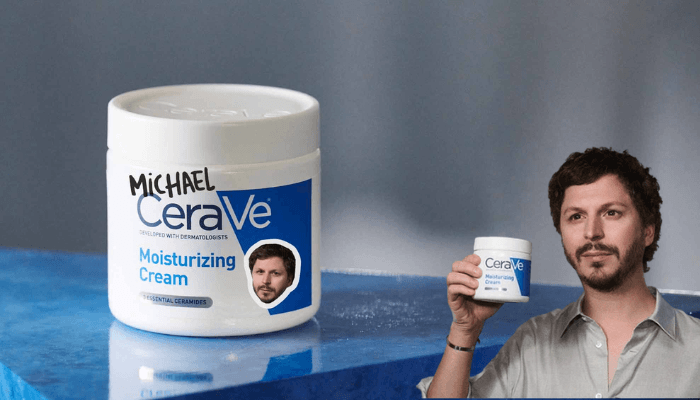
CeraVe created one of the most successful PR campaigns by using actor Michael Cera in a playful conspiracy-style campaign. The idea suggested that Michael Cera had developed CeraVe, before revealing the truth that the brand was developed with dermatologists.
The campaign worked across earned media, social media, influencers, paid media, and the Super Bowl. Ogilvy described it as an immersive campaign that invited people to participate in a prank-like experience before the dermatologist-led reveal.
Why it worked
- Celebrity appeal
- Humor and mystery
- Strong social engagement
- Reinforced product credibility
PR lesson: A creative PR campaign should entertain people while still reinforcing the brand’s core message.
2. Duolingo – Death of Duo Owl
3. Airbnb – Icons Campaign

Airbnb created one of the most innovative successful PR campaigns by launching its Icons campaign, which offered unique stays and experiences inspired by famous cultural moments. Rather than simply promoting accommodation, Airbnb transformed travel into a memorable and highly shareable experience.
Why It Worked
The campaign was visually appealing, emotionally engaging, and focused on creating experiences that people wanted to talk about and share online.
PR Lesson
Experiential marketing can help successful PR campaigns generate stronger media coverage and audience engagement than traditional product-focused promotions.
4. IKEA – The Co-Worker
6. Gap x Katseye – Better in Denim
10. Burberry – Portraits of an Icon




16. Apple – Shot on iPhone


21. Patagonia – Environmental Activism



Award-Winning PR Campaigns to Study
Award-winning successful PR campaigns help marketers understand what makes a campaign creative, memorable, and culturally relevant. They also show how strong storytelling, timing, audience participation, and brand purpose can turn a simple idea into major public attention.
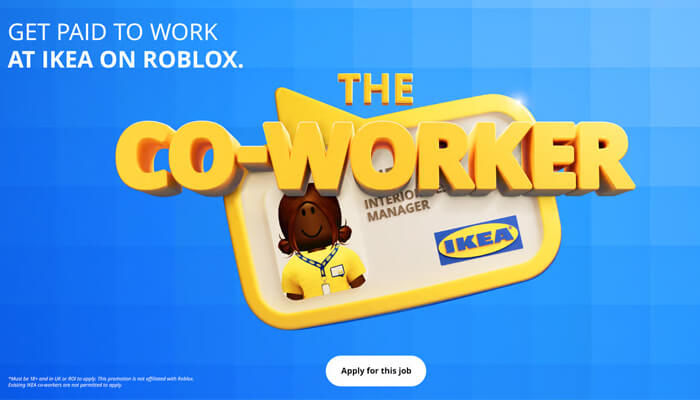
The Webby Awards recognized Michael CeraVe as a winner for Best Viral PR Campaign, while IKEA’s The Co-Worker was listed as a People’s Voice Winner in the same category.
Other award-worthy campaigns to study include:
- CeraVe – Michael CeraVe
- IKEA – The Co-Worker
- Dove – Real Beauty
- Spotify Wrapped
- Barbie Movie PR Campaign
- Apple – Shot on iPhone
- ALS Ice Bucket Challenge
Studying these successful PR campaigns helps brands learn how to combine creative structure, media timing, cultural fit, audience participation, and measurable business impact.
Common Strategies Behind Successful PR Campaigns
Successful PR Campaign Ideas for Small Businesses
Even strong ideas can fail when brands make these mistakes:
1. Chasing Virality Without a Goal
Viral attention is not always useful if it does not build trust, traffic, leads, or sales.
2. Sending Generic Media Pitches
Journalists receive many pitches. A campaign needs a relevant and personalized angle.
3. Ignoring the Target Audience
A campaign should speak to a specific audience, not everyone.
4. Choosing the Wrong Influencers
Creator partnerships work best when the creator’s audience, values, and style match the brand.
5. Making Fake Purpose Claims
Audiences can quickly notice when a brand supports a cause only for attention.
6. Not Preparing for Backlash
Bold campaigns can attract criticism. Brands should prepare crisis responses before launch.
7. Not Measuring Results
Without tracking, brands cannot know whether the campaign helped awareness, reputation, SEO, or sales.
Why Successful PR Campaigns Matter for Brand Growth
Conclusion
Successful PR campaigns work because they understand people, not just platforms. The best campaigns in 2026 are authentic, emotional, timely, measurable, bold, and easy to share.
From CeraVe and Duolingo to Airbnb, Dove, Spotify, Apple, Barbie, LEGO, and Patagonia, these examples show that great PR is not only about getting attention. It is about creating a story people want to remember, discuss, and share.
For startups, small businesses, and growing brands, the lesson is clear: successful PR campaigns do not always need the biggest budget. They need the right idea, the right audience, the right timing, and a clear reason for people to care.
FAQs About Successful PR Campaigns
1. How long do successful PR campaigns typically last?
Successful PR campaigns can last from a few weeks to several months, depending on the campaign goals, audience engagement, and media interest.
2. What industries benefit the most from successful PR campaigns?
Technology, healthcare, retail, entertainment, finance, and startups often see significant brand growth from successful PR campaigns.
3. Can successful PR campaigns improve Google rankings?
Yes. Successful PR campaigns can generate backlinks, brand mentions, referral traffic, and search demand, which can support SEO performance.
4. How much do successful PR campaigns cost?
The cost varies widely. Some successful PR campaigns use large budgets, while others achieve strong results through creativity, storytelling, and earned media.
5. What role does social media play in successful PR campaigns?
Social media helps successful PR campaigns amplify reach, encourage audience participation, and generate real-time conversations around a brand.
6. How can startups create successful PR campaigns without a PR agency?
Startups can create successful PR campaigns by sharing founder stories, industry insights, customer success stories, and original research.
7. Are successful PR campaigns better than advertising?
Successful PR campaigns and advertising serve different purposes. PR builds trust and credibility, while advertising provides direct promotional control.
8. What is the biggest factor behind successful PR campaigns?
Strong storytelling is often the most important factor because it helps brands connect emotionally with audiences and earn media attention.
