




Early-stage companies rarely have the marketing budgets that established brands enjoy, yet visibility still determines whether a new business gets noticed in a crowded market. Fleet branding and signage offer one of the most overlooked tools for building recognition by turning vehicles already on the road for deliveries, service calls, or daily operations into mobile advertising assets. Turning ordinary cars, vans, and trucks into rolling advertisements is a low-cost way to reach thousands of potential customers without paying for a single ad placement.
Building A Rolling Billboard
A wrapped vehicle functions as a moving billboard that travels through neighborhoods, past office parks, and along commuter routes every single day. Founders looking to make the most of this exposure often turn to professional wide format printing services to produce crisp, durable graphics that hold up against weather and mileage. Unlike a static sign, a branded fleet reaches new eyes constantly, since the vehicle is rarely parked in the same place twice.
Consistency Across Every Touchpoint
Brand consistency matters as much on a van door as it does on a website or business card. Logos, color palettes, and taglines should match across every surface a customer might encounter, because mismatched branding creates confusion and erodes trust. Startups scaling quickly benefit from templates that can be reused across a growing fleet, keeping design costs predictable while new vehicles are added.
Choosing The Right Materials
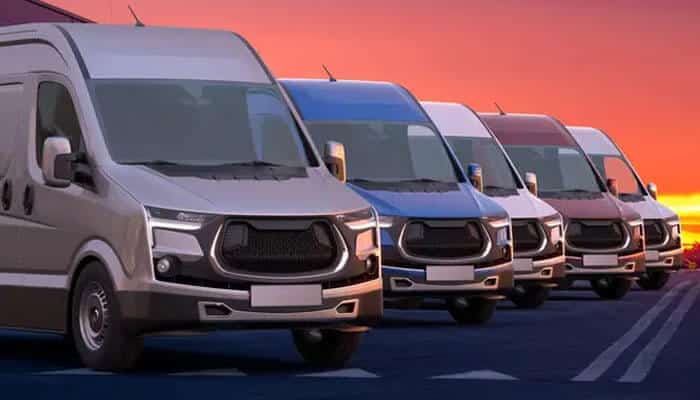
Not all signage is created equal, and the choice between magnetic decals, full wraps, or partial graphics depends on budget, vehicle turnover, and how permanent the branding needs to be. Full wraps offer maximum coverage and a polished look, while decals allow flexibility for leased vehicles or rebrands. Research from the Small Business Administration highlights how consistent, professional presentation influences customer perception of a company’s reliability, which applies just as much to a delivery van as it does to a storefront.
Measuring The Return
Fleet branding is difficult to track with the same precision as digital advertising, but simple methods still work well. Coded discount offers, dedicated phone extensions, or unique landing page URLs printed on vehicles can help attribute new leads to the branding effort. The American Marketing Association notes that repeated visual exposure builds familiarity over time, a principle that supports patience when evaluating fleet branding results rather than expecting immediate spikes in traffic.
Local Regulations And Practical Considerations
Before wrapping an entire fleet, checking local signage ordinances and vehicle advertising regulations is worthwhile, since some municipalities restrict certain graphic sizes or reflective materials on public roads. Working with an experienced installer helps avoid costly redos and ensures graphics are applied the first time correctly. Durability also matters, since a faded or peeling wrap does more harm to brand image than no wrap at all.
Scaling With Growth
As a startup adds vehicles, keeping a master brand file ready for quick reproduction saves time and money. Ordering signage in batches, rather than one vehicle at a time, often reduces per-unit costs and keeps designs uniform. Planning ahead for seasonal promotions or product launches also makes it easier to refresh graphics without redesigning from scratch each time.
Fleet branding will not replace a full marketing strategy, but it fills a valuable gap for young companies that need constant, low-cost exposure. A well-branded vehicle earns attention simply by existing in daily traffic, turning routine errands into marketing opportunities. For founders weighing where limited dollars will go furthest, signage on vehicles already in motion offers a practical answer worth serious consideration.
