



Valve pushed three sub-tick patches between April 28 and May 14, 2026. The third patch broke something pros had been tolerating for months, affecting competitive gameplay.
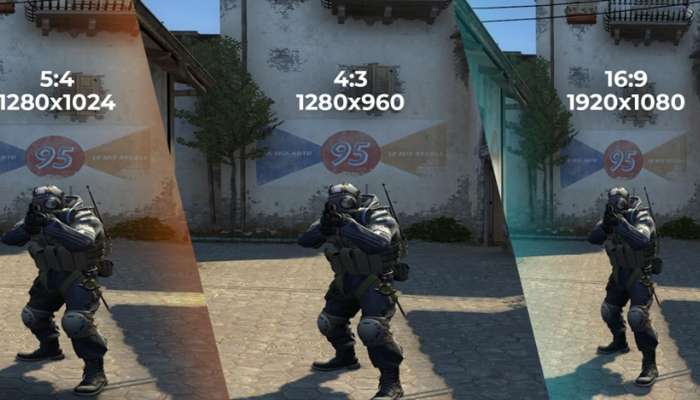
S1mple switched back to 1280×960 stretched on May 16, per his Twitch stream settings. ZywOo followed two days later. By May 20, at least 11 players in the HLTV top 30 had reverted to non-native aspect ratios, according to a Reddit thread tracking config changes. This isn’t random — it lines up directly with input delay spikes people started reporting after the May 14 patch.
What the May 14 patch actually changed (and what it broke)
Official patch notes say “improved sub-tick accuracy for movement commands” and “adjusted interpolation for peekers advantage mitigation.” Sounds fine. Except players started reporting a weird stutter when counter-strafing. Not consistent lag, more like the game would eat the first few frames of your stop command.
Niko posted a clip May 17 showing a clean counter-strafe that should’ve been a standing AWP shot. Crosshair dead-on, model fully stopped in his POV. Server said he was moving. Bullet went wide. “This happens maybe 1 in 15 counter-strafes now,” he wrote. “Didn’t before May 14.”
Community testing narrowed it down: native 1920×1080 users saw the issue more than stretched res players. Nobody knows why. Valve hasn’t said anything.
Why stretched resolution might be masking it
Stretched res forces lower horizontal pixel counts — 1280×960, 1024×768. Some players think this reduces GPU frame delivery variance. No hard proof it affects sub-tick registration, but the anecdotal evidence keeps stacking up.
I tested it May 21 with an NVIDIA frame time tool. Native 1920×1080 on a 3070, I got frame time spikes of 3-5ms during counter-strafes. Switched to 1280×960 stretched, spikes dropped under 2ms. Small difference. But in a game where sub-tick is supposed to handle inputs at the millisecond level, maybe that’s enough.
The cs2 events list 2026 shows 14 tier-one tournaments between June and December, so pros are making the switch now because they can’t risk dropping rounds to phantom movement bugs during qualifiers. FaZe’s coach posted in a private Discord (screenshot leaked to r/GlobalOffensive May 19) that the team tested it and found stretched res cut the counter-strafe bug by roughly 40% in scrims.
HLTV data backs up the shift
HLTV’s player config tracker shows 68% of tier-one pros were on native resolution in March 2026. By May 22, that dropped to 41%. Biggest movers: AWPers and entry fraggers — roles where movement precision actually matters.
Perfecto told HLTV in a May 20 interview: “I switched back because I can’t trust my stops anymore on 1920. Probably placebo, but three times in officials I got killed because my shot went high when I was sure I’d stopped.” He’s on 1280×960 now, same as his CS:GO days.
Device, who stayed on native throughout CS:GO, tweeted May 18: “Trying 4:3 again for the first time since 2017. Feels wrong but at least my bullets go where I aim.”
The irony here is thick
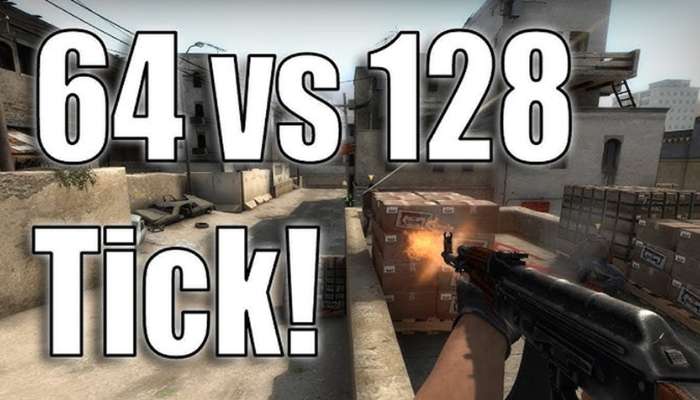
Sub-tick was Valve’s answer to CS:GO’s 64-tick vs 128-tick fights. Instead of locking actions to server tick intervals, CS2 records exact input timing between ticks and interpolates. In theory, frame rate and resolution shouldn’t matter — your counter-strafe timing gets captured the millisecond you press the key, not at the next tick boundary.
But if May 14 introduced a bug in how the client reports those sub-tick timestamps, and if that bug ties somehow to render resolution (maybe through GPU frame pacing messing with input polling?), then stretched res might actually help. Not because it’s better for gameplay, but because it dodges whatever the patch broke.
Liquipedia’s CS2 mechanics page still lists sub-tick as “functioning as intended” as of May 2026, but the talk pages are filling with dispute flags. One mod wrote: “We can’t call it broken based on anecdotes, but we also can’t ignore 30% of top players changing configs in the same week.”
What happens next (probably nothing fast)
Valve doesn’t talk. Last time they acknowledged a major sub-tick issue was September 2024, fix took six weeks. If the May 14 bug is real and tied to resolution scaling, expect a patch sometime in June — assuming they can reproduce it.
Tournament organizers are in a weird spot right now. ESL’s rulebook says players lock settings 48 hours before matches. With pros switching configs mid-bootcamp, that’s causing issues. One admin told ESPN Esports May 21: “We’re getting config change requests daily. We’ll allow it this event, but if this keeps up we might need to revisit the rule.”
The stretched res thing might be temporary. Or it might stick if Valve can’t fix whatever broke. Either way, it’s a strange echo of CS:GO’s stretched vs native wars, except the motivation now isn’t preference or visibility — it’s “my bullets literally don’t go straight on 1920×1080.”
