




I spent months wondering why nobody was finding my website. Eventually, I discovered that getting people to my site wasn’t my only problem. My website itself was getting in the way.
I run a small online retail business, so every visit matters. When traffic stayed flat, I assumed I simply needed more exposure. I spent time posting on social media and improving product descriptions, yet the numbers barely moved.
My turning point came when I stopped asking how to get more visitors and started asking a more uncomfortable question: could my website actually be making it harder for search engines to understand and reach my pages?
That was when I started using Semrush to diagnose the website first.
Step 1: Stop Guessing and Audit the Website
I started by setting up my site in Semrush and opening Site Audit. After choosing my domain and starting the crawl, I got a report showing technical issues I had never noticed.
There were broken internal links and other technical warnings. None looked dramatic alone, but together they changed how I viewed my traffic problem.
Semrush’s Site Audit is designed to check more than 140 technical and on-page SEO issues, including broken links, duplicate content, crawlability, indexability, HTTPS, and other areas of site health. That gave me something I had been missing: a prioritized list instead of a vague feeling that my SEO was not working.
I followed the basic workflow in Semrush’s getting started tutorial: monitor the website, run a Site Audit, review the issues, and tackle the highest-priority fixes first. I also read “Getting Started with Semrush: A Tutorial for Navigating the Essentials” before going deeper.
The biggest lesson was simple. I did not need to fix everything in one afternoon. I could choose the issues that mattered most, fix them, and check the site again.
That made SEO less overwhelming.
Step 2: Connect the Technical Fixes to Real Search Opportunities
Once the obvious website problems were under control, I went back to the question I had originally been asking: where could better traffic actually come from?
This is where I started using Semrush more broadly. Instead of picking keywords because they sounded relevant, I looked at search volume, difficulty, intent, and the pages already competing for those searches. I narrowed my initial list to a handful of terms that were realistic for a small retailer.
Then I used Position Tracking to watch what happened over time. I was no longer relying on occasional Google searches to decide whether my SEO was improving. I could see ranking changes and visibility trends in one place.
I also looked at competitors. Semrush helped me compare their organic performance and identify keywords they ranked for that I was missing. My competitors were not necessarily winning because they had a bigger audience. In some cases, they were simply covering topics I had overlooked.
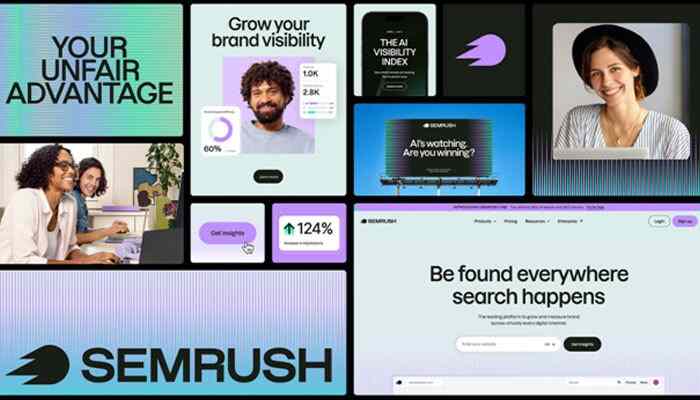
That was when Semrush One started making more sense to me. I did not see it as a replacement for every marketing tool I might ever need. I saw it as a broader solution that brought SEO and AI visibility into the same workflow. Semrush describes Semrush One as combining its established SEO capabilities with AI visibility features, which is useful as search behavior continues to change.
I also began paying attention to AI visibility. If customers ask AI platforms about products and businesses like mine, being absent from those answers can matter too. Semrush now includes tools for monitoring AI visibility, while Site Audit can also identify technical issues affecting AI crawler accessibility.
The right approach, I realized, was not to chase every new feature. It was to use the combination of tools that matched the problem in front of me.
What I Would Do Differently Now
If I were starting over, I would not begin by publishing more articles. I would begin with a website audit.
My process would be simple: set up the site in Semrush, run Site Audit, fix the most important technical issues, research a focused group of keywords, track rankings, and compare competitors. After that, I would review AI visibility and look for opportunities to improve the pages that matter most.
The experience taught me that SEO is not always a traffic problem. Sometimes the real issue is underneath the surface.
I thought my store needed more people to discover it. What it actually needed first was a healthier foundation and a clearer strategy.
If you are staring at flat traffic and wondering what you are doing wrong, start by finding out whether your website is helping or holding you back.
Explore Semrush, run your first audit, and use what you learn to decide what to fix next. You may discover that the fastest path to more visibility begins with understanding the website you already have.
