


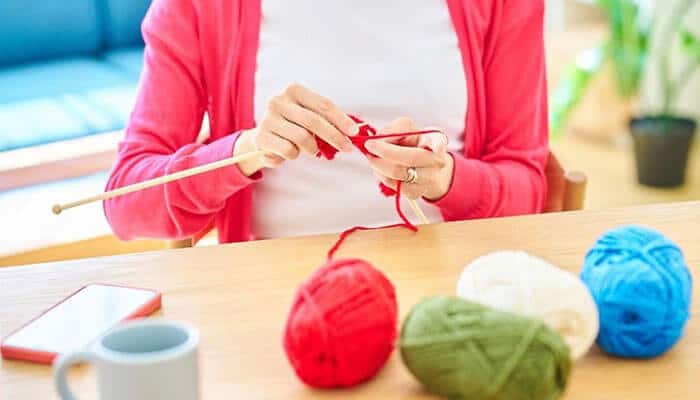

Turning a knitting or crochet hobby into a business starts with one honest question: can you make each item profitably while paying yourself? If your goal is to Turn Yarn Crafts Into a Profitable Home Business, understanding your costs, pricing strategy, and production process from the beginning is essential. Materials are often your biggest lever, so online craft supply shopping is worth getting right. Buy with a plan, and your margins will have more room to grow, helping you build a sustainable and successful handmade business.
This roadmap will help you focus your range, source yarn with intent, cost properly, and choose where to sell.
Pick a focused product line first
Start narrow. One or two products per fibre and weight is plenty for a first launch.
Chunky throw blankets and DK-weight beanies are a useful first pairing: two products, two yarn types, and predictable material use.
Fibre, weight, and gauge drive both cost and production time. Heavier yarns finish faster but use more grams per item, so the math shifts with every choice.
To compare brands without guesswork, lean on the Craft Yarn Council standards. Its weight categories and label symbols help you match a substitute yarn to a pattern.
An online craft supply shopping checklist for makers
Before you order, check each product listing against a short list. This keeps surprises out of your first drop.
- Fibre content, so care instructions and feel match your product
- Yarn weight category, using Craft Yarn Council numbers where shown
- Yardage per skein, so you can calculate how many you need
- Dye lot, since colour can vary between batches
- Return policy, in case a shade looks different in person
- Shipping threshold, so you know the freight cost per order
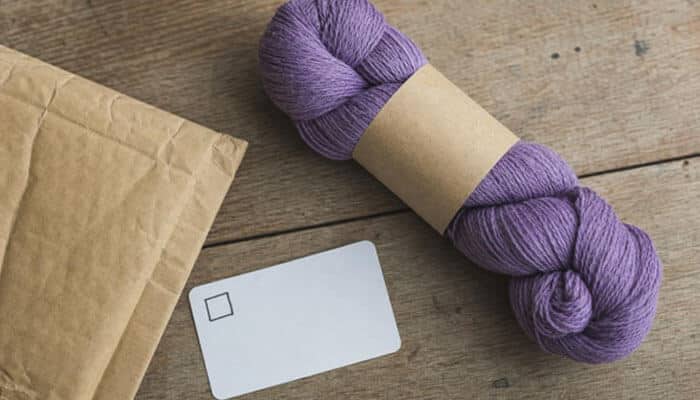
If you want an Australia-based source for common weights and fibres, use Yarns to compare shades, fibre content, and skein sizes before you buy.
For batch products, order from one dye lot wherever possible so colour stays consistent. Save the product-page details with your costing sheet, including colour name, shade code, price and yardage.
Cost your products like a business
Price from the bottom up. Guessing a round number can leave money on the table or make the product hard to sell.
A simple formula covers most makers:
- Materials cost: skeins used multiplied by cost per skein
- Packaging: mailer, tissue, label, and thank-you card
- Platform fees: transaction fee, payment processing, and any ad fees on attributed orders
- Shipping materials and postage
- A labour rate for your time
If you sell through a marketplace such as Etsy, include its current transaction fee on the item price and any shipping or gift wrap. Add payment processing and advertising fees if they apply.
Keep a clear record of every input, since materials, packaging, fees, postage, and some equipment may be deductible costs at tax time. Good notes now save hours later.
Choose your first sales channel
Two paths make sense at the start, and you can test both at small volumes.
Etsy brings built-in buyer traffic, which can help new makers get in front of shoppers sooner. The tradeoff is competition and fees that must be included in your pricing.
Watch the Offsite Ads fee if it applies. For smaller shops, attributed orders can carry an extra percentage fee. If that fee could apply to you, build it into your baseline price.
A basic Shopify storefront gives you more control over branding and checkout. It also means a monthly plan, payment processing, and bringing your own traffic.
Pinterest Product Pins can add discovery on top of either channel. Start with one main sales channel and one discovery channel before you scale.
Shipping and fulfillment
Start with an Australia-only flat rate if most buyers are local. It is simple to quote and easy for customers to understand.
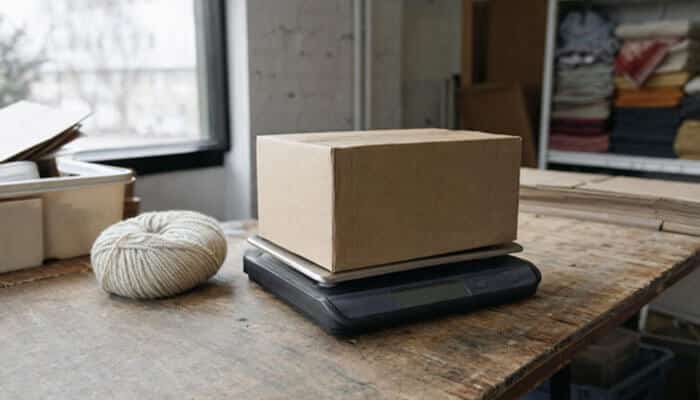
Only test cross-border shipping after you confirm current carrier policies, customs requirements, and delivery timeframes. Rules can change quickly.
For example, Australia Post paused many US-bound parcel services in 2025 around tariff changes, which affected small businesses shipping to American customers. During disruptions, update shop policies and pause international listings.
A simple two-week launch plan
You do not need months to start. A focused fortnight is enough to test a small batch.
- Day 1 to 2: lock your product line and materials list
- Day 3 to 4: place a small sample order
- Day 5: build your pricing grid using the formula above
- Day 6: photograph your samples in good light
- Day 7: create your first marketplace listings
- Week 2: set up Shopify basics and a Pinterest board of Product Pins
Before any large buy, order swatch cards or a small test batch. If you are checking a shade online, compare it in daylight and indoor lighting before committing to a full batch.
Scale without waste
Growth is where sloppy inventory eats profit. A few habits keep it tidy.
Set reorder points by dye lot so you do not run short mid-batch. Track SKU sales weekly so you know what actually sells.
Review {{LINK_SLOT:business expenses}} before reordering so growth does not hide waste.
Bundle slow colours into sets rather than discounting them alone. Rotate small, timed promotions instead of blanket markdowns.
Frequently asked questions
How many skeins should I buy for a first drop?
Enough for a small, testable batch. Six to twelve skeins from a single dye lot is a sensible start, plus one spare skein for remakes or repairs.
What profit margin should I expect on handmade yarn items?
Margins vary by product and channel. On Etsy with their fees included, expect 30 to 50 percent gross margin after materials, labour and platform costs. Direct-to-consumer sales through Shopify can reach 50 to 70 percent gross margin because you control fees and shipping.
How do I stay competitive with pricing without undervaluing my work?
Price from costs up, not down from competition. Your materials, time and overhead differ from other makers, so copying their prices can undercut your profit. Use the costing formula in this guide, then compare your final price to the market. If you are lower, do not drop further; if you are higher, emphasise unique fibre choices or finish quality that justify the premium.
Should I start with wholesale or direct-to-consumer sales?
Start direct-to-consumer through small business growth platforms like Etsy or Shopify. Wholesale requires larger minimum orders and longer payment terms that strain a new business cash flow. Once you have consistent direct sales and a waiting list, wholesale becomes a logical expansion. Direct sales also teach you what customers actually want before scaling production.
How do I prevent dye lot mismatches when reordering?
Save the product page details including colour name, shade code and dye lot number in a spreadsheet with your costing sheet. When you reorder, search the supplier by shade code first, then verify the dye lot matches before checkout. If the exact dye lot is gone, order a swatch card or small test skein to compare in natural light before committing to a full batch.
Final thought
Get sourcing and pricing right, and the rest is easier. Careful online craft supply shopping, a focused range, and honest costing can turn a hobby into a business that pays.
