


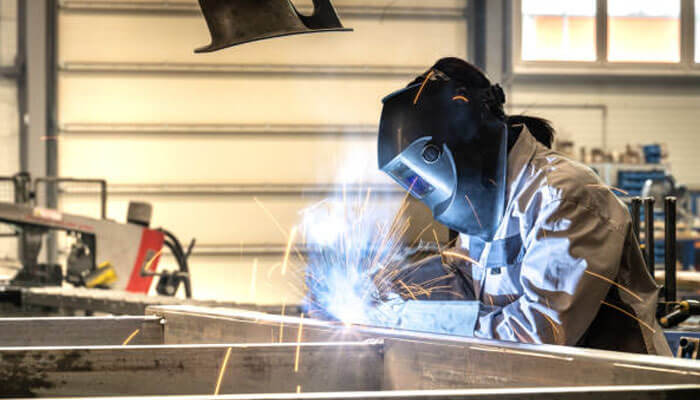

Adequate ventilation is one of the most important aspects of any welding job. To prevent fumes and fire hazards and provide clean air, it is crucial to keep workers safe. Having the right ventilation for your welding operation can really do wonders for safety and productivity. Faced with so many choices, knowing the key characteristics of the right ventilation for your welding operation will help you make an informed decision. This will create a more secure working environment for everyone as businesses take the time to identify needs or alternatives.
The Importance of Effective Ventilation
The fumes, gases, and particles generated during welding have the potential to affect health if inhaled for prolonged periods of time. Good ventilation extracts these pollutants from the air, therefore reducing exposure. Clean air is a fundamental practice with respect to securing welders and expanding solace all through the workshop. A system that keeps dust to a minimum saves maintenance on other equipment. Good ventilation means healthier workers and less downtime. Exploring ventilation for welding highlights how to choose the right system for your operation and ensure workplace safety.
Types of Ventilation Systems
There are two major ventilation systems for welding operations: general dilution and local exhaust. Local exhaust systems act closer to the source of fumes using hoods or arms above the welding area. Such systems are among the most preferred for fume control targeting. In contrast, general dilution systems utilize fans and ducts to circulate air throughout the space. Although they are effective at reducing the concentration of contaminants in a general area, they may not be as efficient at capturing fumes from specific spots.
Assessing Workspace and Welding Processes
Evaluating the workspace and welding processes is the first step in selecting the best ventilation. What system is best is determined by the size of the area. More in small enclosed spaces, but just some general air movement in larger areas. Different metals and welding processes also impact the quantity and type of fume generated. In comparison, some substances emit additional harmful agents, necessitating the use of more robust or particular extraction methods.
Evaluating Fume Hazards and Regulations
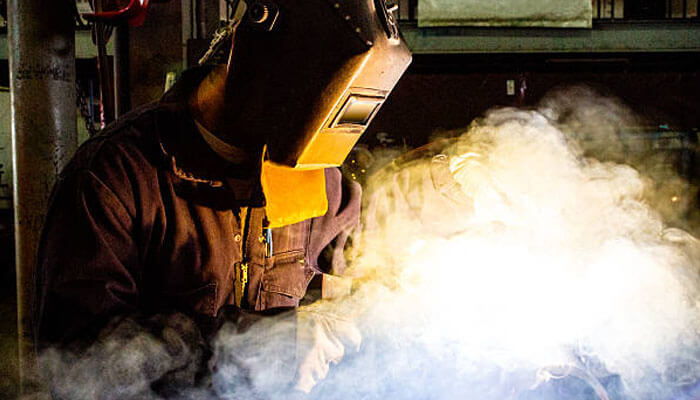
Each welding operation needs to evaluate the exposure to the fumes created. Certain metals, including stainless steel or galvanized steel, produce excessively toxic gases. Identifying what is in the air helps select filters and ventilator power. Furthermore, safety regulations and standards dictate regulations for air quality and exposure limits. By following these guidelines, worker health is preserved, and employers are compliant with regulations.
Customization and Flexibility
The welding operation will always be different, so you need a flexible welding ventilation design. Things like adjustable arms, movable hoods, or modular ductwork enable the workspace to change without a complete rework; just an adjustment, and you are done. Flexibility helps boost productivity when processes or equipment layouts change. Choosing a solution that evolves is a more resource-efficient choice that aligns with your needs as they change.
Energy Efficiency and Cost Considerations
Good ventilation, on the other hand, is a compromise between air quality and energy consumption (and hence cost), and built-up experience makes clear that it contributes greatly to the final quality of the indoor climate. For larger areas, systems that are continuously running may also raise energy bills. Demand-controlled ventilation systems or variable-speed fans provide outdoor make-up air only as needed to prevent excess power consumption. Maintenance expenses also play a role, with effortless exchange of filters and parts. Selecting gear with easily replaceable parts helps keep the cost of ownership low over time.
Noise and Comfort Factors
Ventilation systems should assist in making a decent workplace. Too much noise from fans or ducts can be distracting and disruptive to communication. Isolating or selecting the quieter models shall improve comfort for all. There should be a proper flow of air, one that does not produce drafts that are distracting or make workers feel cold. Maintaining a good balance between air movement and worker comfort for higher morale and productivity.
Maintenance and Reliability
To continue to be safe, the ventilation system must be kept operational. Such regular inspections and exchanges, as well as cleaning, avoid breakdowns, ensuring efficiency here too. Systems that are reliable cut equipment downtime and ensure compliance with health and safety regulations. Equipment that is regularly maintained lasts longer and is therefore more cost-effective in the long run.
Conclusion
Selecting adequate ventilation for welding takes into account immediate and long-term workspace needs and hazards. Assessing the space, understanding the processes, and putting safety first enable businesses to choose systems that safeguard health and enable productivity. This highlights the dramatic difference that flexible, efficient, and reliable ventilation solutions can have on a welding operation. Cleaner air means healthier workers, and healthier workers lead to better-performing businesses with lower risk. By considering these factors, we can ensure that everyone has a safer and more productive environment.
