


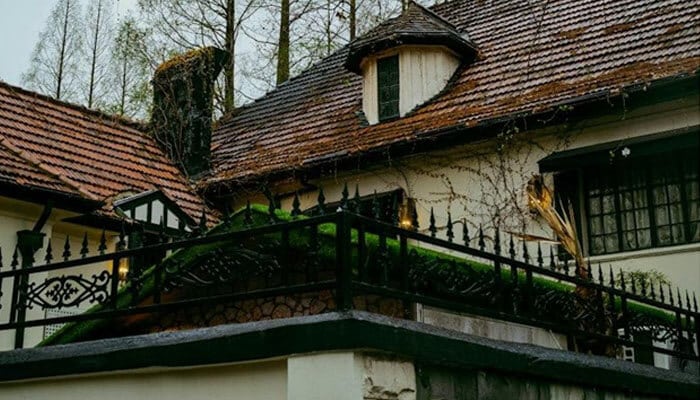

Metal fencing brings a clean, timeless look that suits both traditional and contemporary homes. The three main options—aluminum, steel, and wrought iron—all deliver the open, elegant appearance metal is known for, but they behave very differently in terms of strength, maintenance, and long-term cost. Knowing what sets them apart makes it easier to choose the right one for your Bellevue property.
Aluminum: Lightweight, Rust-Free, and Easy to Maintain
Aluminum is the most popular choice for decorative and pool fencing in western Washington, and for good reason. It does not rust—not even after years of steady rain—and it requires almost no maintenance beyond an occasional rinse. The tradeoff is that it is lighter than steel and can dent under significant impact.
Modern aluminum comes in a wide range of picket styles and finials that closely mimic the look of traditional wrought iron. Powder-coat finishes in black, white, bronze, and dozens of custom colors stay bright without painting. For a homeowner who wants classic curb appeal without weekend maintenance projects, aluminum is usually the strongest candidate.
Steel: Strength and Security First
Steel is heavier and more rigid than aluminum, making it the go-to choice when security or impact resistance is the top priority. Commercial properties, secure residential perimeters, and gates that handle frequent, heavy traffic all benefit from steel’s superior strength.
The tradeoff is maintenance. Steel will rust if the protective powder coating or galvanizing is scratched or chipped, and in the damp climate around Bellevue those scratches need attention quickly. Touch-up paint and annual inspections are part of owning a steel fence. Kept in good condition, a steel fence lasts for decades and holds its shape even under hard use.
Wrought Iron: Classic Style with Higher Upkeep
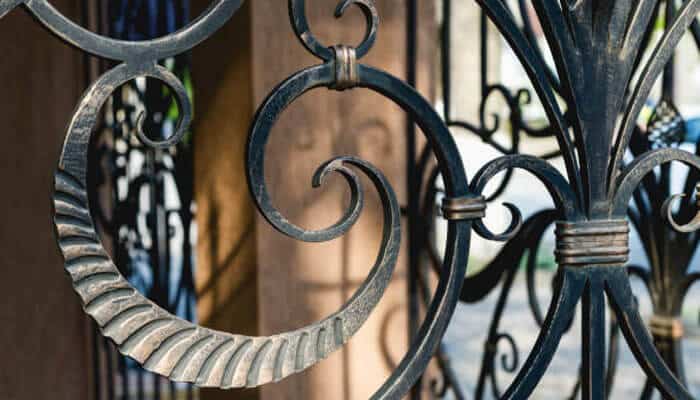
True wrought iron has an unmistakable handcrafted look—thicker bars, varied profiles, and an organic quality that stamped aluminum and welded steel cannot quite replicate. It is also among the heaviest and strongest fence materials available, which gives it excellent longevity when properly maintained.
The maintenance demand is the main drawback. Wrought iron must be painted regularly to keep rust at bay, and any bare metal exposed by scratches or chipping paint needs immediate attention. Many of today’s ‘iron-style’ fences are actually steel—offering a similar aesthetic with slightly easier care and lower cost.
Matching the Metal to Your Goals and Budget
The right metal depends on what the fence needs to do. A decorative border or a code-compliant pool enclosure calls for lightweight aluminum. A perimeter that needs to deter intruders or withstand heavy impact points toward steel. Where classic architectural detail is the priority and the owner is willing to maintain it, wrought iron—or a quality iron-style steel—earns its place.
Budget plays a role as well. Aluminum tends to be the most affordable of the three, followed by steel, with true wrought iron at the high end. Over a twenty-year horizon, however, aluminum’s near-zero maintenance cost often closes the gap with lower upfront alternatives.
Style, Height, and Finish Options
Metal fencing suits open, see-through designs better than solid privacy fencing, so homeowners who want full privacy usually choose a different material. Within the open-style category, however, metal offers an enormous range of picket profiles, heights, spacing options, and cap styles.
Optima Fence & Deck works with aluminum, steel, and iron-style materials to create custom metal fence solutions. Their team offers aluminum and steel fence installation in Bellevue across Bellevue and the surrounding Eastside, tailored to the yard’s purpose and the home’s architectural character.
Frequently Asked Questions
Does aluminum fencing look cheaper than iron?
Modern aluminum is engineered to mirror the ornamental look of iron, with similar picket styles and finials. From a normal viewing distance, most people cannot tell the difference. The main visual tell is that aluminum is slightly lighter in weight and may have a marginally thinner profile.
Which metal fence lasts the longest?
All three can last for decades with proper care. Aluminum tends to be the most carefree because it never rusts, while steel and wrought iron depend on keeping their protective coatings intact. A neglected steel or iron fence will rust, while a neglected aluminum fence simply looks dirty.
Can a metal fence be installed on a slope?
Yes. Metal panels can be racked to follow a gentle grade or stepped down a steeper slope, so a sloped yard rarely rules metal fencing out. The best approach depends on the slope’s angle and the overall look the homeowner wants.
