


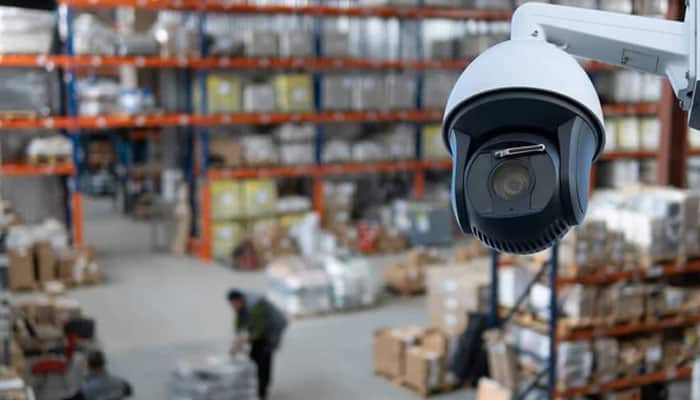

Small businesses cut theft losses with live video surveillance by having trained operators watch their cameras in real time, spot intruders or suspicious activity as it happens and respond immediately with voice warnings, alarms and police calls. Instead of reviewing footage after the damage is done, the business stops many incidents before anything leaves the property.
For a small business, that difference is significant. A single break-in can wipe out a month’s profit once you add stolen stock or equipment, repairs, insurance deductibles and lost trading time. Live surveillance won’t prevent every loss, but it changes the odds in a way that recorded cameras alone rarely do.
Why Recorded Footage Alone Rarely Stops Losses
Many small businesses already have cameras. The problem is that nobody is watching them. A typical recording system stores video that the owner checks the next morning, usually after discovering a broken window, missing inventory or an empty equipment trailer. By then, the thieves are long gone, and the footage often shows little more than hooded figures at night.
Recorded footage still has value. It can support insurance claims and occasionally help police identify suspects. But the recovery rate for stolen goods is low, and most small business owners find that a clip of the theft is little comfort when they’re still replacing tools or stock out of pocket.
Thieves know this too. Many have learned that cameras without any response are unlikely to lead to immediate consequences. The deterrent effect of a camera grows substantially when intruders know someone may be watching and could react within seconds.
Where Small Businesses Lose the Most
Theft looks different depending on the type of business. Retailers deal with shoplifting during opening hours and occasional smash-and-grab break-ins at night. Industry surveys consistently point to both external theft and internal theft by employees as major sources of retail shrink, with administrative errors making up a smaller share.
Restaurants and cafés face after-hours break-ins, especially through back doors and delivery entrances, along with cash handling issues and stock disappearing from storerooms. Auto repair shops, landscaping companies and trade contractors are often targeted for tools, trailers, catalytic converters and equipment stored outdoors in yards that sit empty overnight.
Businesses in quiet commercial areas are especially vulnerable. When neighboring units close at the same time, a parking lot or back alley can go hours without anyone passing by, giving thieves plenty of time to work. Seasonal businesses and those with irregular hours face similar risks during closures.
How Live Monitoring Changes the Outcome
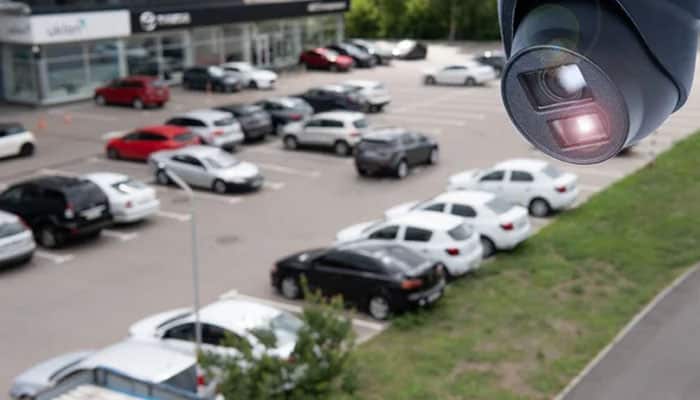
Live monitoring adds a human response to the camera system. After hours, analytics software identifies people or vehicles in areas where no one should be, while ignoring normal movement such as swaying trees, animals or passing cars. An operator reviews each alert within seconds and decides whether it’s a real threat.
When it is, the operator can speak through on-site speakers, often describing exactly what the intruder is wearing and doing. That personal warning is surprisingly effective, as it removes any doubt that the person has been seen. Operators can also trigger lights or sirens and contact police with a verified, real-time description, which helps officers respond quickly and knowing what to expect.
For businesses without reliable power or network access in their yards or outdoor storage areas, providers that pair solar-powered camera towers with a remote surveillance service can extend this coverage to places a fixed system can’t easily reach. That’s particularly useful for contractors, equipment rental businesses and landscapers who store valuable machinery outside.
During business hours, live video can support other goals. Owners can check in remotely on busy periods, managers can review incidents at the register and staff working alone at opening or closing times feel safer knowing someone can see what’s happening. Many businesses find these daytime benefits just as valuable as the overnight protection.
Setting Up Coverage on a Small Business Budget
Start with the areas where losses are most likely. For most businesses, that means every entrance and exit, including back doors and loading areas, the register or cash handling area, stock rooms and any outdoor storage. Parking lots matter too, both for vehicle-related theft and for capturing how intruders arrive and leave.
Lighting makes a bigger difference than many owners expect. Cameras perform far better in well-lit areas, and bright lighting itself deters people from approaching. Visible signage stating that the property is under live monitoring adds another layer of deterrence at very little cost.
Budget-wise, consumer camera kits can cost a few hundred dollars, but they only record. Professionally monitored systems usually involve a monthly fee that covers monitoring, and sometimes equipment rental. When comparing costs, weigh them against the real cost of a single incident, including downtime and insurance deductibles. Some insurers also offer better terms for businesses with professionally monitored security, so it’s worth asking your broker.
Check how long footage is stored, too. Keeping recordings for at least 30 days gives you time to investigate issues that aren’t discovered right away, such as gradual stock losses or disputed damage claims.
Getting Staff and Customers on Board
Cameras inside a workplace can feel intrusive if they’re introduced without explanation. Tell employees where cameras are placed and why, focusing on safety and protecting the business rather than watching their every move. Many staff appreciate the added security, especially those who open or close alone or handle cash.
Be mindful of privacy rules. Cameras should never cover areas where people expect privacy, such as restrooms or changing areas, and recording audio is subject to specific legal requirements in many states. A reputable provider can advise on placement and settings that suit your location.
Customers generally accept visible cameras in stores and see them as a sign of a well-run business. Clear signage at the entrance sets expectations and adds to the deterrent effect without making the space feel unwelcoming.
If you’re weighing up whether live surveillance is worth it for your business, look back at the last two or three years. Add up what theft, vandalism and break-ins actually cost, including repairs, lost stock, downtime and higher insurance premiums. For many small business owners, that number turns out to be larger than they remembered, and it gives a clear benchmark for what effective protection is worth.
