




If you are searching for how I cured my eustachian tube dysfunction, you are probably dealing with ear pressure, ear fullness, popping, muffled hearing, or a blocked-ear feeling that keeps coming back.
For me, the real improvement started when I stopped treating it like only an ear problem. Eustachian tube dysfunction often happens when the small tube between the middle ear and the back of the throat does not open, close, or drain properly. This can be linked to allergies, sinus pressure, colds, reflux, inflammation, or pressure changes.
The word “cured” sounds simple, but ETD does not have one cure for everyone. When I talk about how I cured my eustachian tube dysfunction, I mean how I reduced my symptoms by finding the trigger, reducing inflammation, avoiding bad habits, and getting medical advice when symptoms lasted too long.
Quick Answer: How I Cured My Eustachian Tube Dysfunction
I improved my eustachian tube dysfunction by treating the cause behind my ear pressure and fullness.
The most helpful steps were:
- using saline spray for nasal congestion
- controlling allergies
- staying hydrated
- chewing and swallowing gently
- avoiding forceful ear popping
- managing sinus pressure
- reducing reflux triggers
- avoiding cotton swabs inside the ear
- seeing a doctor when symptoms lasted too long
Medical sources such as Cleveland Clinic explain that eustachian tube dysfunction can happen when the tubes connecting the middle ear to the upper throat become blocked or do not open and close properly.
Key Takeaways
- How I cured my eustachian tube dysfunction was not about one quick trick. It was about finding the cause.
- ETD can cause ear pressure, fullness, popping, muffled hearing, and discomfort.
- Common triggers include allergies, sinus inflammation, colds, reflux, altitude changes, and fluid behind the eardrum.
- Mild ETD may improve with safe home care, but long-lasting symptoms need medical review.
- Do not forcefully pop your ears or push cotton swabs deep into the ear.
- The best way to manage ETD is to treat the trigger, not just the blocked-ear feeling.
What Is Eustachian Tube Dysfunction?
Eustachian tube dysfunction happens when the small tube between the middle ear and the back of the throat does not work normally. This tube helps balance air pressure, drain fluid, and protect the middle ear.
When the tube becomes swollen, blocked, or too open, you may feel pressure, fullness, popping, pain, or muffled hearing.
Johns Hopkins Medicine explains that eustachian tube problems can cause ear pressure, pain, fullness, and muffled hearing.
Types of Eustachian Tube Dysfunction
To understand how I cured my eustachian tube dysfunction, it helps to know that ETD is not the same for everyone.
| Type | What Happens | Common Feeling |
| Obstructive ETD | The tube does not open properly | Ear pressure, fullness, muffled hearing |
| Patulous ETD | The tube stays too open | Hearing your own voice or breathing loudly |
| Baro-challenge ETD | Symptoms happen during pressure changes | Ear pain during flights, hills, or diving |
My symptoms felt more like obstructive ETD because I had ear pressure, fullness, and muffled hearing.
Symptoms I Noticed First
My symptoms did not feel like a normal earache. It felt like pressure was trapped inside my ear.
| Symptom | What It Felt Like |
| Ear fullness | Like cotton or water was stuck inside the ear |
| Ear pressure | A tight blocked feeling |
| Popping or clicking | Sounds while chewing, yawning, or swallowing |
| Muffled hearing | Sounds felt dull or far away |
| Mild pain | Pressure pain during sinus congestion |
| Balance discomfort | Light dizziness on bad pressure days |
The most frustrating symptom was the full ear feeling. I kept trying to pop my ear, but that sometimes made the pressure worse.
What Caused My Eustachian Tube Dysfunction?
My main trigger was inflammation around my nose, throat, and sinuses. My symptoms became worse during allergy days, congestion, and postnasal drip.
Common causes of eustachian tube dysfunction include:
- allergies
- cold or flu
- sinusitis
- acid reflux
- nasal inflammation
- pressure changes during flying
- pressure changes during mountain travel
- fluid behind the eardrum
- chronic middle ear problems
Once I focused on these triggers, my symptoms became easier to manage. That was the biggest lesson in how I cured my eustachian tube dysfunction safely.
Conditions That Can Feel Like Eustachian Tube Dysfunction
Not every blocked ear is ETD. This is why proper diagnosis matters.
A blocked or full ear can also come from:
- earwax buildup
- middle ear infection
- outer ear infection
- sinus infection
- TMJ jaw problems
- migraine-related ear pressure
- inner ear balance problems
- hearing loss
- fluid behind the eardrum
If the real cause is earwax, infection, TMJ, or another ear condition, home ETD remedies may not fix it.
How I Cured My Eustachian Tube Dysfunction Naturally and Safely
The phrase how I cured my eustachian tube dysfunction is what many people search, but the safer truth is this: I improved my symptoms by treating the trigger behind them.
I did not depend on one remedy. I used a routine that reduced swelling, improved nasal airflow, and helped my ears open naturally again.
Step 1: I Stopped Forcing My Ears to Pop
At first, I kept trying to pop my ears hard. Sometimes it gave quick relief, but it also made the pressure worse on bad days.
What helped more:
- gentle swallowing
- gentle yawning
- chewing sugar-free gum
- sipping warm water
- avoiding aggressive nose blowing
- avoiding repeated forceful popping
The Valsalva maneuver may help some people, but it should be gentle. Blowing too hard can irritate the ear.
Step 2: I Used Saline Spray for Nasal Congestion
Saline spray helped because my nose and sinuses were often blocked. It did not directly cure the ear, but it helped clear the nasal area near the eustachian tube opening.
My routine was simple:
- saline spray in the morning
- saline spray before sleep
- gentle nose blowing
- avoiding dusty rooms
- keeping bedding clean
This helped reduce the blocked feeling over time.
Step 3: I Controlled Allergies
Allergies were one of my biggest triggers. When my nose was blocked, itchy, or runny, my ears felt worse.
Common allergy triggers include:
- dust
- pollen
- pet dander
- mold
- smoke
- perfume
- pollution
Controlling allergies was a major part of how I cured my eustachian tube dysfunction because it reduced swelling around my nose and throat.
Step 4: I Managed Sinus Pressure
Sinus pressure and ETD can feel connected because the eustachian tube opens near the back of the nose and throat.
What helped me:
- drinking enough water
- taking warm showers
- avoiding cold air exposure
- sleeping with my head slightly raised
- using saline spray
- avoiding smoke and strong smells
I also stopped putting anything inside my ear. Cotton swabs, ear candles, and random ear drops do not fix ETD if the problem is behind the eardrum or near the throat side of the tube.
Step 5: I Watched Acid Reflux Triggers
Acid reflux can irritate the throat and upper airway. For some people, this irritation may make eustachian tube symptoms worse.
I noticed more ear pressure after late meals and spicy food.
Helpful reflux habits:
- eating dinner earlier
- avoiding heavy meals at night
- reducing spicy food
- limiting caffeine
- not lying down right after eating
- drinking enough water
This may not apply to everyone, but it helped reduce throat irritation for me.
Step 6: I Stayed Hydrated
Hydration helped because thick mucus made my congestion feel worse.
I focused on:
- drinking enough water
- warm fluids during congestion
- reducing excess caffeine
- avoiding very dry indoor air
This was not a quick cure, but it supported recovery.
Step 7: I Avoided Decongestants Without Medical Advice
This is important. Some people take decongestants for blocked ears, but they are not always the right choice.
Johns Hopkins Medicine notes that decongestants or antihistamines may make ETD worse in some cases if they do not match the cause.
I avoided using decongestants again and again without advice, especially because these medicines may not be safe for everyone.
Flying, Hills and Pressure Changes With ETD
ETD can feel worse during flights, mountain drives, elevators, or diving because the ear has to adjust to pressure changes.
What helped me during pressure changes:
- chewing gum during takeoff and landing
- swallowing often
- drinking water during travel
- avoiding sleep during airplane descent
- using saline spray before travel if congested
- avoiding flights when badly congested if possible
I avoided forcing my ears to pop too hard. Gentle pressure equalizing worked better.
What Helped vs What Did Not Help
| Method | Did It Help? | Notes |
| Gentle swallowing and yawning | Yes | Helped pressure open slowly |
| Chewing gum | Yes | Helpful during mild pressure |
| Saline nasal spray | Yes | Helped nasal blockage |
| Allergy control | Yes | One of the biggest improvements |
| Hydration | Yes | Helped mucus feel thinner |
| Forceful ear popping | No | Sometimes made pressure worse |
| Cotton swabs in ear | No | Does not treat ETD |
| Ignoring symptoms for weeks | No | Delayed proper care |
| Random decongestants | Not always | Should be used carefully |
Red Flags I Would Not Ignore
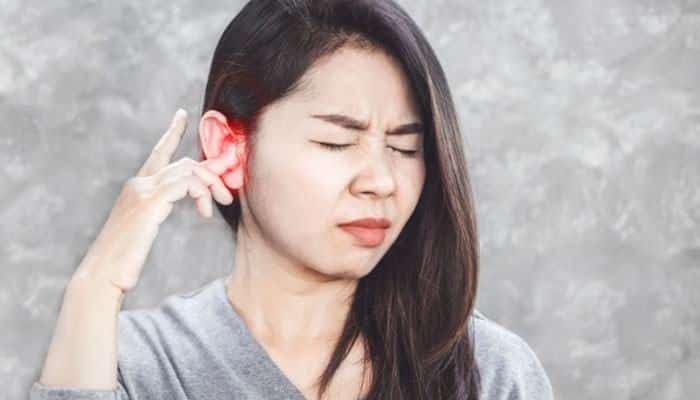
Most mild ETD symptoms can improve, but some signs need medical care.
See a doctor quickly if you have:
- sudden hearing loss
- severe ear pain
- blood or fluid from the ear
- fever with ear pain
- strong dizziness or vertigo
- symptoms after a head injury
- one-sided hearing loss that does not improve
- ear pressure lasting more than two weeks
- repeated ear infections
This section is important because ear pressure is not always harmless.
When I Realized I Needed a Doctor
I knew I needed medical advice when the pressure lasted too long and started affecting my hearing.
A doctor or ENT may check:
| Test or Exam | Why It Helps |
| Ear exam | Checks eardrum, fluid, wax, or infection |
| Nose and throat exam | Looks for inflammation or blockage |
| Tympanometry | Checks middle ear pressure |
| Hearing test | Measures hearing changes |
| Nasal endoscopy | Used by ENT doctors in some cases |
Cleveland Clinic says people should seek care if ETD causes severe pain or lasts longer than a couple of weeks.
Medical Treatments That May Help
Treatment depends on the cause and severity. Mild cases may improve with home care, but chronic ETD may need medical treatment.
Possible treatments include:
- Allergy medicine
- Nasal steroid spray
- Treatment for sinus infection
- Antibiotics if bacterial infection is diagnosed
- Pain relievers when appropriate
- Ear tubes
- Eustachian tube balloon dilation
- Treatment for reflux or nasal inflammation
Chronic obstructive ETD may need ENT evaluation. Some adults may be considered for balloon dilation after proper diagnosis and failed medical treatment.
What I Stopped Doing During Recovery
These habits either made my symptoms worse or did not help:
- I stopped pushing cotton swabs deep into my ear.
- I stopped trying to pop my ears every few minutes.
- I stopped using random drops without knowing the cause.
- I stopped ignoring allergy and sinus symptoms.
- I stopped assuming blocked ears always mean wax.
- I stopped taking decongestants without medical advice.
Common Mistakes With Eustachian Tube Dysfunction
- Treating every blocked ear as ETD
- Ignoring allergy symptoms
- Popping the ear too hard
- Using cotton swabs deep inside the ear
- Flying with severe congestion
- Waiting too long when hearing changes
- Taking repeated decongestants without advice
- Not seeing an ENT when symptoms keep returning
Foods and Habits That Helped My Recovery
These habits did not cure ETD overnight, but they helped my body recover.
Helpful habits:
- warm water
- soups during congestion
- earlier dinner
- less spicy food during reflux
- less caffeine if it worsens dryness
- clean bedding
- avoiding smoke
- avoiding strong fragrances
- sleeping slightly elevated during congestion
How Long Did It Take to Feel Better?
My symptoms improved slowly. Popping improved first. Fullness took longer. Ear pressure improved once nasal inflammation reduced.
| Timeline | Possible Improvement |
| First few days | Mild pressure may reduce |
| 1 to 2 weeks | Many mild cases improve |
| 2 to 4 weeks | Allergy or sinus-related ETD may improve with treatment |
| More than 4 weeks | Medical review is important |
| 3 months or more | May be chronic ETD and needs ENT care |
Can Eustachian Tube Dysfunction Come Back?
Yes, ETD can come back if the trigger returns. Mine was more likely to return during allergies, colds, sinus flare-ups, or pressure changes.
Prevention tips:
- treat allergies early
- avoid smoke and strong smells
- stay hydrated
- use saline spray when congested
- avoid flying with severe congestion when possible
- manage reflux triggers
- see a doctor if symptoms repeat often
Questions to Ask a Doctor
If you are still searching for how I cured my eustachian tube dysfunction after trying safe home care, these questions can help during a doctor visit:
- Is my ETD obstructive, patulous, or pressure-related?
- Do I have fluid behind my eardrum?
- Could allergies, sinusitis, or reflux be causing this?
- Do I need a hearing test?
- Do I need tympanometry?
- Should I see an ENT specialist?
- Are nasal sprays safe for my case?
- Could ear tubes or balloon dilation help if this becomes chronic?
Conclusion: How I Cured My Eustachian Tube Dysfunction
If you are searching for how I cured my eustachian tube dysfunction, the most honest answer is that I improved it by finding the cause of my ear pressure and fullness.
I stopped forcing my ears to pop, treated nasal inflammation, controlled allergies, stayed hydrated, watched reflux triggers, and got medical help when symptoms lasted too long.
Eustachian tube dysfunction can feel scary, but many cases improve with the right care. The key is not to guess forever. If symptoms are severe, painful, long-lasting, or affecting hearing, an ENT doctor can help find the real cause.
How I Cured My Eustachian Tube Dysfunction FAQs
1. How I Cured My Eustachian Tube Dysfunction naturally?
I improved my Eustachian Tube Dysfunction by reducing nasal inflammation, controlling allergies, staying hydrated, using saline spray, and avoiding habits that increased ear pressure.
2. How long does it take to recover from Eustachian Tube Dysfunction?
Recovery time depends on the cause. Mild ETD may improve within days or weeks, while chronic cases may require medical evaluation and treatment.
3. What helped relieve my ear pressure caused by Eustachian Tube Dysfunction?
Gentle swallowing, chewing gum, managing allergies, treating sinus congestion, and avoiding forceful ear popping helped reduce ear pressure and fullness.
4. Can Eustachian Tube Dysfunction go away on its own?
Yes, many mild cases of Eustachian Tube Dysfunction improve when the underlying cause, such as allergies, colds, or congestion, is managed properly.
5. When should I see a doctor for Eustachian Tube Dysfunction?
You should consult an ENT specialist if symptoms last more than a few weeks, cause hearing changes, severe pain, dizziness, or repeated ear problems.
