




However, growth can also expose weaknesses that were previously hidden. Processes that worked perfectly for a smaller organisation may become inefficient as demand increases. Systems that once supported the business effectively can gradually become obstacles to further progress.
For business leaders, recognising when systems are holding growth back is essential for maintaining momentum and avoiding unnecessary operational strain.
When Employees Spend More Time Managing Processes Than Delivering Results
One of the clearest warning signs is when staff begin spending excessive amounts of time on administrative tasks. As businesses grow, employees often create workarounds to compensate for disconnected systems. Information may be entered multiple times, spreadsheets become increasingly complex, and teams spend significant amounts of time chasing data rather than using it.
While these manual processes may appear manageable initially, they can eventually reduce productivity and limit the organisation’s ability to scale efficiently.
When Data Exists Everywhere but Insight Exists Nowhere
Growing businesses generate increasing volumes of information. Sales teams, finance departments, operations managers, customer service teams, and leadership groups all rely on data to make decisions. Problems arise when that information is stored across multiple platforms that do not communicate effectively with one another.
When leaders struggle to access accurate, real-time information, decision-making becomes slower and less reliable. Opportunities may be missed simply because the right information is not available when it is needed.
When Customer Expectations Outgrow Internal Capabilities
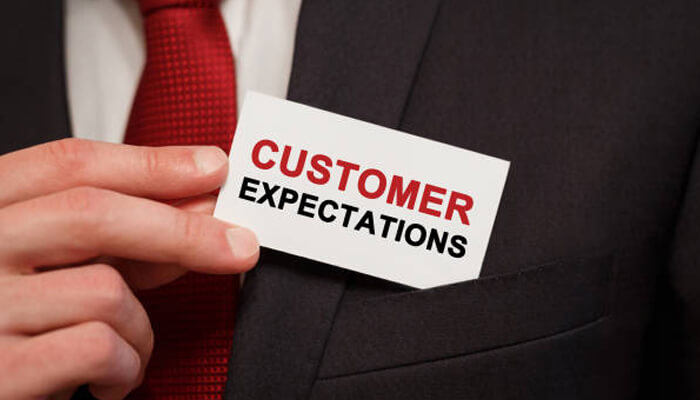
Customer expectations continue to evolve. Clients increasingly expect faster responses, greater visibility, personalised experiences, and seamless service delivery. Businesses that rely on fragmented systems often find it difficult to meet these expectations consistently.
Delays, communication gaps, and operational inefficiencies can gradually impact customer satisfaction and loyalty, even when the organisation continues to grow.
When Scaling Requires More People Instead of More Efficiency
Hiring additional employees can support growth, but it should not be the only solution to operational challenges.If every increase in workload requires a proportional increase in staffing, it may indicate that existing systems are limiting efficiency. Businesses with scalable processes can often handle increased demand without dramatically increasing administrative overhead.
When growth consistently creates pressure on resources, leaders should evaluate whether technology and workflows are supporting expansion effectively.
When Departments Operate in Isolation
Many organisations experience communication challenges as they grow. Sales, finance, operations, procurement, and customer service teams may each use separate systems that provide only part of the overall picture. This fragmentation can create duplicated effort, conflicting information, and delays in decision-making.
Integrated systems help departments work from the same information, reducing friction and improving collaboration across the organisation.
When Forecasting Becomes Increasingly Difficult
Strong growth requires confident planning.If leaders find it difficult to forecast demand, manage inventory, allocate resources, or predict financial performance, disconnected systems may be contributing to the problem. Inaccurate or delayed reporting can make it harder to identify trends and respond proactively.
Reliable forecasting depends on having accurate information flowing consistently throughout the business.
Knowing When to Seek Specialist Guidance
Recognising operational limitations is often easier than identifying the best solution.As businesses become more complex, many organisations seek guidance from an ERP Consultant to evaluate existing processes, identify inefficiencies, and determine how systems can better support future growth. This type of strategic review can help businesses align technology with long-term objectives rather than allowing legacy processes to dictate future performance.
The goal is not simply to implement new software, but to ensure systems actively contribute to business success.
Growth Should Not Be Limited by Internal Processes
Every growing business reaches a point where its systems are tested. The organisations that continue to scale successfully are often those that recognise these challenges early and address them before they become major obstacles.
By paying attention to productivity, data visibility, customer experience, operational efficiency, collaboration, and forecasting accuracy, business leaders can identify whether their systems are supporting growth or quietly holding it back. The sooner these issues are recognised, the easier it becomes to build a foundation capable of supporting the next stage of success.
