


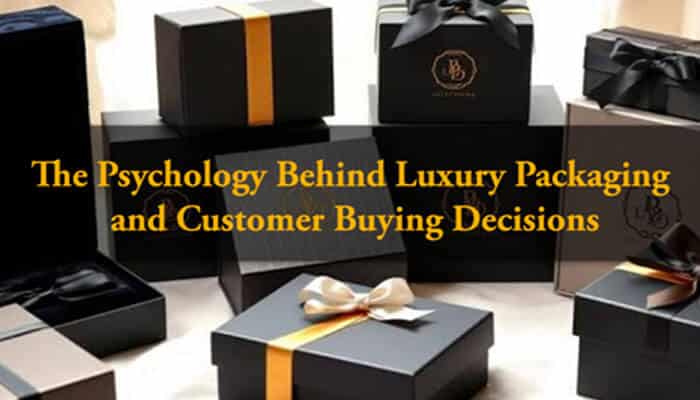

Luxury packaging influences how customers think, feel, and decide. Before a customer uses a product, packaging creates expectations about quality, value, and trust. A premium box can make the product feel more desirable and worth a higher price.
Customer buying decisions are not based only on function. People also respond to emotion, appearance, touch, and experience. Luxury packaging uses these psychological triggers to make products feel more valuable and memorable.
Packaging Shapes First Impressions
Customers form opinions quickly. A strong, elegant package can create a positive reaction within seconds. The structure, color, finish, and opening style all help customers decide whether the product feels premium.
Rigid setup boxes are often used for luxury products because they feel strong and high quality. Their solid structure gives customers a sense of durability and importance. When a customer holds a rigid box, the product inside feels more valuable.
This first impression can influence whether the customer trusts the brand and feels confident about the purchase.
Perceived Value Drives Purchase Interest
Perceived value is one of the strongest psychological effects of packaging. If packaging looks expensive, customers often believe the product is also higher quality. This can make them more willing to buy or pay a premium price.
Luxury packaging creates perceived value through:
- Strong structure
- Premium materials
- Clean design
- Elegant colors
- Foil details
- Embossed logos
- Smooth finishes
- Organized interiors
These signals help customers feel that the product is special.
Emotions Influence Buying Decisions
Luxury packaging creates emotion. A beautiful box can make customers feel excited, curious, appreciated, or impressed. These feelings can influence buying decisions, especially for giftable products, limited editions, and premium retail items.
When customers feel emotionally connected to the packaging, they are more likely to remember the brand. A positive emotional experience can also lead to repeat purchases and recommendations.
Two Piece Packaging Creates a Premium Reveal
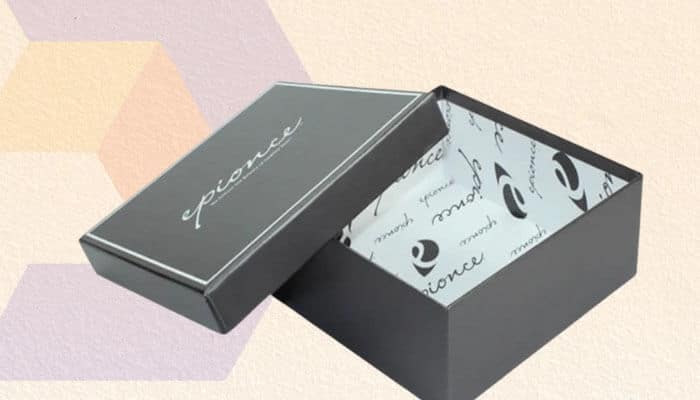
The opening experience also affects buying psychology. A slow, clean reveal can make the product feel more important. Custom Two Piece Rigid Boxes are useful because the separate lid and base create a classic luxury opening moment.
This style works well for jewelry, candles, skincare sets, perfumes, apparel, accessories, and premium gifts. The structure creates anticipation and gives the customer a more satisfying unboxing experience.
Packaging Builds Trust
Customers trust brands that look professional. Luxury packaging shows that the business has invested in product presentation and customer experience. A well-made box suggests that the product inside has also been created with care.
Trust is especially important for first-time buyers. Premium packaging can reduce doubt and make customers feel more confident in their decision.
Scarcity and Exclusivity Increase Desire
Luxury packaging can also make products feel exclusive. Limited-edition colors, special finishes, numbered cards, custom inserts, and premium box styles can create a sense of rarity.
When customers feel that a product is exclusive, they may see it as more desirable. This is especially useful for product launches, seasonal collections, collector items, and luxury gift sets.
Final Thoughts
The psychology behind luxury packaging is based on first impressions, perceived value, emotion, trust, and exclusivity. Premium packaging makes products feel more desirable before customers use them.
Strong structures, elegant finishes, and thoughtful opening experiences can influence buying decisions and improve brand value. For businesses that want customers to see their products as premium, luxury packaging is a powerful tool.
