


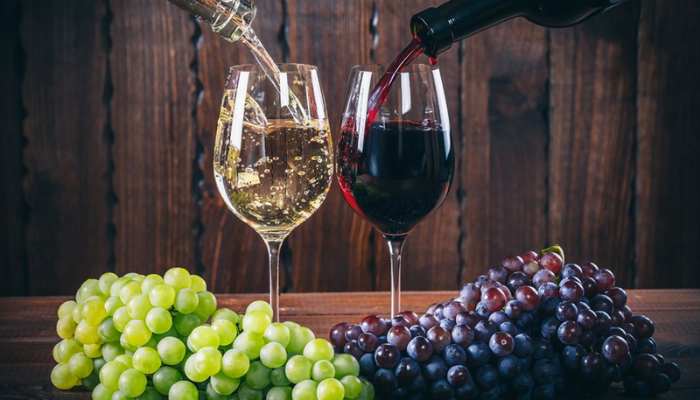

Ask someone what makes a bottle of French wine special and the answer will rarely be limited to its taste. There is usually a story attached to it. Perhaps it comes from a vineyard that has been producing wine for generations. Maybe the bottle belongs to a famous vintage, or carries the name of an estate that has appeared on restaurant wine lists for decades.
That story matters.
French wine has developed into something much bigger than an agricultural product. It has become part of the luxury market, alongside watches, fine food, art and other products where reputation can be almost as important as the product itself. A bottle can cost a few dozen euros, several hundred euros or, in exceptional cases, thousands. The grapes alone obviously do not explain that difference.
Behind the bottle is a complicated commercial world involving vineyards, wine producers, merchants, collectors, restaurants, auction houses and international buyers. Understanding that world explains why French wine continues to attract so much attention.
What Makes French Wine So Valuable?
There is no single answer. That is part of what makes the subject interesting.
France has an enormous advantage in the form of history. Wine has been produced in the country for centuries, and some vineyards have been associated with particular styles and names for generations. Bordeaux, Burgundy, Champagne and the Rhône Valley are not simply places on a map to wine enthusiasts. They are brands in their own right.
A bottle from a recognized French appellation already carries information before it is even opened.
Consider Burgundy. Two vineyards can be separated by little more than a road or a stone wall, yet their wines may have completely different reputations and prices. To someone unfamiliar with the region, this can seem excessive. To collectors, however, the location is part of the product.
This is where French wine becomes particularly interesting from a business perspective. The geographical origin, producer and vintage can have a direct influence on what buyers are prepared to pay.
Terroir Is More Than a Wine Term
The French concept of terroir is often discussed in terms of flavour. Soil, climate, exposure to sunlight and local conditions all influence the grapes. But terroir also has a commercial side.
A vineyard cannot be moved.
That sounds obvious, but it creates scarcity. If a particular patch of land has developed an exceptional reputation, there is no simple way to create more of it. More bottles cannot suddenly appear because demand has increased.
This is one of the reasons famous vineyards can command such high prices.
The same principle can be seen in other luxury industries. A rare painting cannot simply be reproduced as an original. A historic building cannot be duplicated in another location. In the wine world, certain vineyards have a similar advantage. Their location is inseparable from their identity.
For producers, that can be extremely valuable.
The Power of a Famous Name
Names matter enormously in the wine trade.
A consumer may not recognize every producer in France, but names such as Bordeaux, Champagne, Chablis or Saint-Émilion are familiar to people who have never visited France and perhaps know relatively little about wine.
That recognition reduces uncertainty.
When buying an unfamiliar product, consumers often look for something that signals quality. In French wine, the appellation, producer and vintage can provide that signal. A well-known name gives buyers a reason to trust the bottle before tasting it.
The effect becomes even stronger at the luxury end of the market. Certain estates have spent decades building reputations that are now almost self-sustaining. Their wines are followed by collectors, discussed by critics and traded internationally.
Reputation, once established, becomes an asset.
Limited Supply Changes the Rules
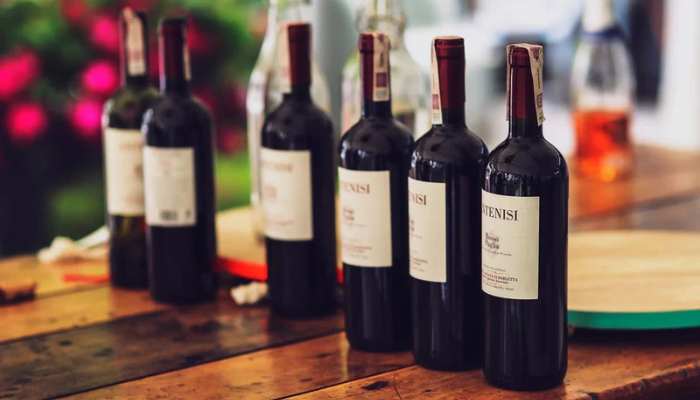
The luxury wine market does not operate in quite the same way as the supermarket wine market.
A supermarket can order more bottles when a particular wine sells quickly. A prestigious château or domaine often cannot respond in the same way. There may simply not be enough vineyard land or production capacity.
Weather creates another limitation.
One year might bring almost perfect conditions. Another could bring heavy rain, frost, hail or extreme heat. Harvest sizes can change, and so can the quality of the resulting wine.
This unpredictability adds another layer to the market.
An outstanding vintage from a highly regarded producer may become particularly desirable because there are only so many bottles available. Once those bottles disappear from the producer’s cellar, buyers have to look elsewhere.
That is where the secondary market starts to become important.
When Wine Becomes a Collectible
Fine wine can have a surprisingly long life. Some bottles are purchased with no intention of being opened for many years.
Collectors may buy young wines and store them while they mature. Others search for older vintages that have already reached a desirable stage of development. In both cases, the condition of the bottle becomes important.
Storage is not a minor detail.
Temperature fluctuations, poor humidity or excessive exposure to light can damage wine. Provenance matters too. A bottle that has spent twenty years in a carefully managed professional cellar is generally more attractive to a collector than an identical bottle with an unknown storage history.
This is one reason fine wine can behave more like a luxury asset than an ordinary consumer product.
The price of a bottle is influenced by supply, demand and reputation, but also by its history.
Wine Investment Is Not as Simple as It Looks
The idea of buying wine as an investment sounds appealing. Buy a few expensive bottles, wait a decade and sell them for more.
Reality is less straightforward.
Not every expensive wine increases in value. Storage costs money. Selling wine can take time. Market tastes change, and a producer’s reputation can rise or fall. There is also the question of authenticity, particularly when dealing with very old or extremely rare bottles.
For serious collectors, therefore, knowledge is essential.
This is where specialist wine merchants have an important role. They do more than sell bottles. They provide information about producers, vintages, availability and provenance. For buyers spending significant amounts of money, that expertise can be just as valuable as the bottle itself.
The Business Behind the Bottle
A bottle of French wine may begin its journey in a vineyard, but it passes through many hands before reaching a consumer.
The producer grows the grapes and makes the wine. Depending on the business model, the wine may then move through négociants, importers, distributors and retailers. Restaurants form another major part of the chain.
Each stage adds costs, but also adds services.
Transporting wine internationally requires suitable packaging and careful handling. Import regulations vary between countries. Older wines may require additional documentation, while valuable bottles need extra attention during shipping.
At the luxury end, presentation also matters. Customers expect a high level of service when purchasing an expensive bottle.
The economics of French wine are therefore much broader than the cost of growing grapes.
Restaurants Help Create the Luxury Image
The restaurant industry has played a huge role in establishing wine as a luxury experience.
A bottle served at home is one thing. The same bottle appearing on a carefully selected wine list, recommended by a sommelier and served alongside an ambitious menu feels very different.
The surroundings change the experience.
A restaurant can introduce customers to wines they would probably never encounter in a supermarket. A sommelier might explain why one vintage works better with a particular dish, or why a lesser-known producer deserves attention.
For prestigious French wines, this association with fine dining reinforces the idea that wine is something to be experienced rather than simply consumed.
International Demand Keeps the Market Moving
French wine is deeply connected to the global economy.
Bottles leave French cellars and travel to markets throughout Europe, North America and Asia. Collectors may buy wines without ever visiting the regions where they were produced. A bottle from Burgundy can be stored in London, sold to a buyer in Hong Kong and eventually opened at a restaurant in New York.
That international market creates opportunities, but it also introduces challenges.
Exchange rates can influence prices. Import duties affect retail costs. Transport becomes more expensive as bottles travel further. Consumer preferences can also shift from one region or style to another.
French producers therefore have to think beyond the vineyard. Maintaining a reputation in international markets requires reliable distribution and a strong understanding of what buyers actually want.
Online Wine Retail Has Changed the Way People Buy
The internet has made the wine market considerably easier to access.
In the past, finding a particular vintage might have required visiting specialist merchants, contacting importers or relying on personal connections. Today, buyers can search inventories from their computers and compare wines from different regions.
This has been particularly useful for collectors.
Specialist online retailers can offer bottles from multiple producers and vintages in one place. Detailed product information can also make the buying process less intimidating for people who are still learning about French wine.
Platforms such as Best of wines illustrate how specialist wine retail has developed into an international business rather than simply a local shop selling bottles.
The expectations are higher as well. Customers want accurate information, secure packaging and dependable delivery. When a bottle is several decades old and worth hundreds or thousands of euros, careless logistics are simply not acceptable.
Luxury Branding Without the Luxury Price Tag
One of the more unusual things about French wine is the range of prices within the same broader industry.
A bottle from a small regional producer may be affordable enough for an ordinary dinner. At the other end of the spectrum, a famous vintage from a legendary estate can cost more than an entire case of everyday wine.
Both belong to the world of French wine.
This broad range helps explain the strength of the category. Consumers can enter the market at almost any price level. Someone might start with a modest bottle from a familiar region and gradually become interested in more unusual producers and older vintages.
Over time, curiosity can turn into collecting.
Climate Change Could Reshape the Industry
There is also a less comfortable issue facing French wine.
Climate change is already affecting vineyards. Warmer conditions can alter ripening patterns and harvest dates, while extreme weather events can cause serious damage in individual years.
For an industry built around particular regions and traditions, adapting is not always easy.
Producers are experimenting with vineyard management techniques, different approaches to canopy management and, in some cases, grape varieties better suited to changing conditions. Sustainability is also becoming more important, both environmentally and commercially.
Consumers are increasingly interested in how wine is produced, not just how it tastes.
The choices made in vineyards today could therefore influence the reputation and economics of French wine for decades to come.
Why French Wine Has Become a Global Luxury
The price of a luxury French wine cannot be explained by the liquid inside the bottle alone.
There is the vineyard. There is the history. There is the producer’s reputation. There is the vintage, the appellation and the limited supply. Add storage, transportation, specialist knowledge and international demand, and the economics become considerably easier to understand.
Perhaps the most interesting part is that these factors reinforce one another.
A famous vineyard attracts attention. Attention creates demand. Limited production keeps supply relatively small. Scarcity strengthens the reputation of the wine, which can encourage collectors to buy it. As more collectors become interested, the wine can become even harder to find.
The cycle continues.
French Wine Is a Product, a Story and a Business
A glass of wine does not need to feel like a business transaction. It can simply be part of dinner, a celebration or a quiet evening with friends.
Yet behind that simple experience sits a sophisticated global industry.
French wine has survived and evolved because it combines things that are difficult to imitate: centuries of history, distinctive vineyards, recognizable regional identities and a culture that places considerable value on food and drink.
That combination has turned certain bottles into luxury goods.
The industry will continue to change. Online retail will develop further, climate conditions will force producers to adapt and new generations of consumers will approach wine differently from those before them. Even so, the fundamentals are likely to remain.
People will still care where a wine comes from. They will still talk about great vintages. Collectors will still search for rare bottles.
And, perhaps most importantly, a bottle of French wine will continue to represent something that goes well beyond what is inside the glass.
