


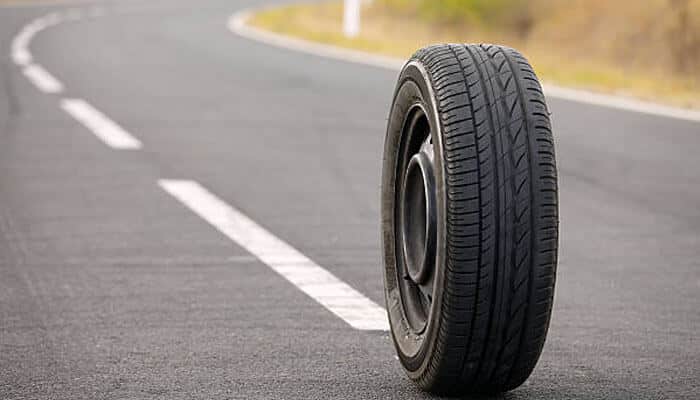

You hit a pothole last night. The car made a loud thud, but it seemed to drive home okay. The next morning, while filling air, the attendant points out a thumb-sized bulge on your front left tyre’s sidewall.
A garage can fix that bulge easily, and it usually means you’ll need a new tyre. Unfortunately, your standard car insurance won’t cover the cost of replacing it.
This is where a tyre protection cover is sold by a lot of insurance companies as the perfect fix for any related problems. Whether you get paid depends on one detail that most people ignore. Before that, let’s understand how your standard policy works, and how an extra coverage for tyre protection can enhance it to another level.
What Your Policy Already Pays for a Damaged Tyre
Check the “exclusions” section of your insurance policy; one specific line there explains why most tyre damage isn’t covered. Insurers will not pay for damage to tyres and tubes unless the vehicle is damaged at the same time, and even then liability is capped at 50% of replacement cost.
If you damage just a tyre by hitting a curb, your standard comprehensive car insurance won’t pay for it. But if you have a major accident that damages other parts of your car, such as the bumper or suspension, your standard insurance will cover half the cost of replacing the tyres.
What Does Tyre Protection Cover Actually Add?
This add-on removes the standard restriction. It allows you to claim for tyre damage, like bulges, deep cuts, or bursts, even if no other part of your car is damaged.
It also covers any costs for labor, from taking the wheel off, putting on the new tyre, to balancing everything.
Some insurance plans also cover the metal wheel rim, not just the tyre. This is useful because a hard hit that damages your tyre often bends the rim, too. It’s worth asking your insurer exactly what their plan covers.
Punctures are normally not part of the insurance cover, as fixing them is not costly. The policy instead only covers full replacements when the damage is too big to be repaired.
The tyre protection insurance only pays for replacing tyres that are damaged and cannot be repaired. It does not pay for minor fixes like patches.
Why the Tread Depth on Your Tyre Decides the Payout
Tread depth is simply the height of the rubber grooves. New car tyres start near 8 millimetres, and Indian rules require at least 1.6 millimetres before a tyre must be replaced.
The insurance payout depends on how much tread is left on your tyre. If you have 7 millimetres of tread or more, you get paid for the full cost of a new tyre. If your tread is partially worn, you receive a partial payment. If your tread is 3 millimetres or less, you will not receive any payment.
When you make a claim, the car insurance company will measure the tyre tread and usually start from the centre. They will take three different measurements and calculate the average to get the final result.
It is recommended to hold on to the damaged tyre until the surveyor has inspected it, because the reading is taken from it.
Do Indian Roads Really Justify the Add-On?
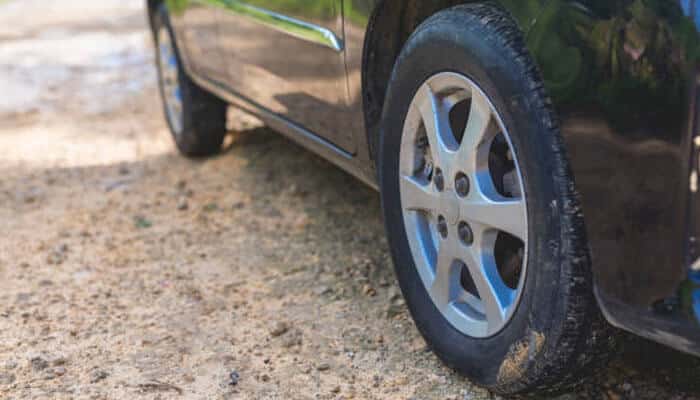
Whether bad roads make this add-on worth the cost isn’t a simple yes or no; it depends on your specific situation.
Potholes, kerbs and broken edges damage the car exactly for which the add-on was built.
Nails, screws and glass also cause punctures, far more often than sidewall damage on any Indian road. Tyre protection does cover that.
Depreciation also makes a big difference. Standard insurance normally only pays 50% of the total cost of a tire because it is considered “used.” Even if the owner holds a plan with ” zero depreciation”, this rule applies. This means you won’t get the full cost of a new tyre replaced through regular insurance.
If you drive a newer car with large, expensive tyres on bad roads, the extra insurance is worth it. If you have an older car with cheaper, used tyres, it’s better to save your money instead of buying the coverage.
What the Cover Doesn’t Include
The cover doesn’t cover wear and tear, as well as manufacturing defects, overloading, and work done at a garage the insurer has not approved. Tyres that have completed the life stated by their maker also fall outside the coverage.
The insurance price is based on how expensive your tyres are. Larger, high-end tyres cost more to replace, so they also cost more to insure.
Tyre protection cover has a specific but valuable purpose. For new cars, it can save you from the high cost of replacing a tyre due to a sidewall bulge. Check your tyre tread depth before you renew your policy, if the tyres are worn out, the coverage might not be worth it.
