



Why Your Office Environment Matters
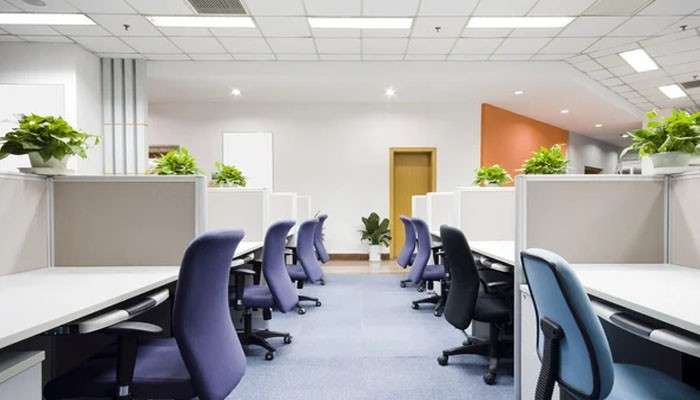
The office environment can have a surprisingly strong influence on how people feel and work throughout the day. A space that is bright, organized, and thoughtfully decorated can make it easier to concentrate, encourage creativity, and create a more positive atmosphere. The good news is that improving an office does not necessarily mean investing in an expensive renovation. Small design changes, from introducing artwork to rearranging furniture, can make a noticeable difference.
Add Personality With Wall Art
Blank walls can make an office feel cold and uninspiring, particularly in a workplace where employees spend many hours each week. Adding artwork is a simple way to bring color, personality, and visual interest into the room without taking up valuable desk space.
For a polished look, high quality canvas prints can turn photographs, illustrations, landscapes, or company imagery into eye-catching pieces of wall decor. They can also help create a more welcoming environment for employees and visitors. Choosing artwork that reflects the character of the business can make a workspace feel considered rather than purely functional.
Bring the Outdoors Inside
Natural elements can help create a calmer, more comfortable office environment. If the space has plenty of natural light, make the most of it by keeping windows unobstructed and positioning desks where possible to benefit from daylight.
Plants are another straightforward addition. Even a few small potted plants can soften an office filled with desks, screens, and equipment. If maintaining real plants is difficult, botanical photography or nature-inspired wall art can provide a similar visual connection to the outdoors.
Landscape photo prints can work particularly well in meeting rooms, breakout areas, and reception spaces, where they can provide an appealing focal point without becoming distracting.
Choose Colors Carefully
Color can have a significant effect on the character of an office. While there is no single color scheme that works for every workplace, introducing different tones through artwork and accessories can help break up an otherwise neutral space.
Soft, natural shades can create a relaxed atmosphere, while brighter colors can add energy to areas designed for collaboration. Rather than covering every wall in a bold color, consider using artwork to introduce smaller bursts of color.
This approach also makes it easier to update the look of the office as preferences change. Swapping a few prints can completely alter the feel of a room without requiring new furniture or decorating work.
Create Dedicated Areas
An office does not need to look identical from one end to the other. Creating different zones for different activities can help employees mentally switch between tasks.
A quiet area with minimal visual distractions could be used for focused work, while a more colorful and informal space might encourage brainstorming or conversation. Wall decor can help reinforce these distinctions. For example, calming photography could suit a quiet workspace, while more vibrant prints might work better in a collaborative area.
Even in a relatively small office, changing the layout or using shelving, plants, and artwork can help establish a sense of purpose for different areas.
Make Team Spaces More Personal
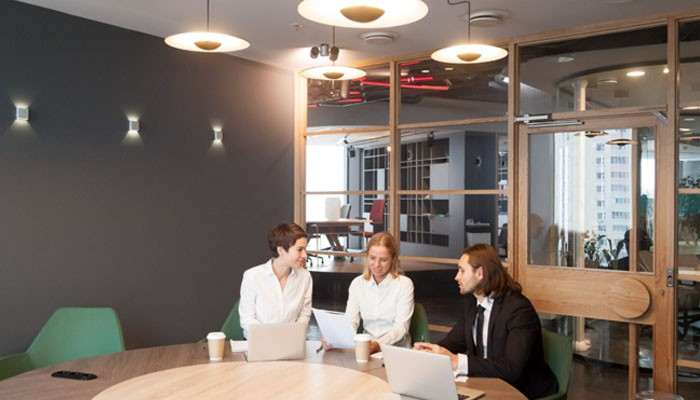
Shared spaces can sometimes feel impersonal, especially when they have been designed around practicality rather than comfort. Adding personal touches can make meeting rooms, kitchens, and breakout areas feel more inviting.
Consider displaying photographs from company events, local landmarks, travel destinations, or images that reflect the team’s interests. Photo prints can provide an easy way to introduce memories and personality while maintaining a professional appearance.
For businesses with a strong visual identity, branded photography or custom artwork can also reinforce the company’s personality without turning the office into an overt advertising space.
Avoid Visual Clutter
While decorating can improve an office, too much visual stimulation can have the opposite effect. An effective workspace needs a balance between personality and simplicity.
Instead of filling every available wall, choose a few areas for statement pieces. Give artwork enough surrounding space to stand out, and avoid positioning busy prints directly behind computer screens or in places where employees need to concentrate.
A carefully selected collection of wall decor will generally have more impact than a large number of unrelated pieces.
Let Employees Have a Say
One of the simplest ways to boost morale through office design is to involve the people who actually use the space. Employees may have different preferences about colors, artwork, and how communal areas should be arranged.
A quick team vote on prints for a meeting room or suggestions for a breakout space can turn decorating into a collaborative project. It also gives employees a sense of ownership over their environment.
Small Changes Can Make a Big Difference
Creating a better office does not have to involve a major redesign. Introducing thoughtful wall decor, adding plants, making better use of natural light, and creating dedicated areas can all help transform an ordinary workplace.
The key is to design around the people using the space. A combination of practical organization and personal touches can create an office that feels comfortable, inspiring, and professional—giving employees an environment where they can focus, collaborate, and feel good about spending their working day.
