


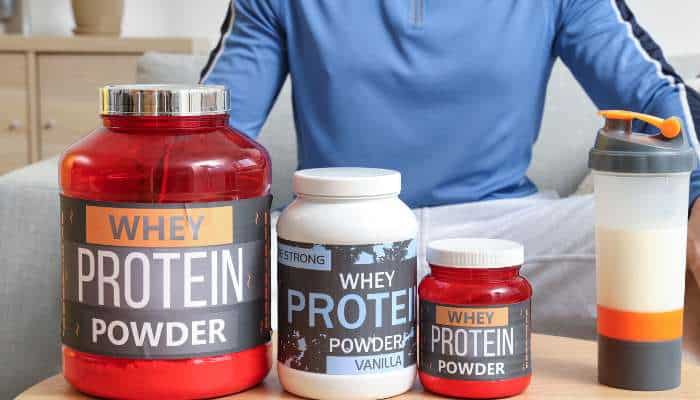

Bulk whey protein powder purchasing touches nutrition, taste, digestion tolerance, production flow, and cost control. A poor fit can affect solubility, mouthfeel, label accuracy, and shelf stability. Large buyers need more than a sharp price. They need verified composition, steady lot quality, clean handling, and reliable shipment timing. With those checks in place, sourcing supports consistent products and fewer costly surprises.
Start With Product Fit
Before quotes matter, teams should define protein targets, serving sizes, flavor limits, and processing methods. A bakery blend may need dairy solids for browning, while nutrition drinks often require wholesale whey protein powder with higher purity, mild taste, and fast dispersion. Application details help suppliers match grade, heat treatment, and pack size.
Compare Protein Grades
Whey concentrate and isolate solve different formulation needs. Concentrate can carry useful lactose, minerals, and dairy flavor, often at a lower cost. Isolate usually provides higher protein with reduced fat and lactose, which may suit low-carbohydrate formulas. Buyers should compare amino acid contribution, digestive tolerance goals, declared nutrition, and sensory impact before making a choice.
Check Functional Performance
Protein content tells only part of the story. Hydration speed, viscosity, heat response, foaming, emulsification, and water binding affect production behavior. Instantized powders may improve beverage mixing. Baked foods can depend on browning, tenderness, or structure. Trials should copy plant conditions, including shear, temperature, hold time, moisture exposure, and storage duration.
Verify Documentation
Each lot should arrive with a certificate of analysis, allergen statement, specification sheet, and safety records. Some programs also require kosher, halal, grass-fed, non-genetically modified, or country-of-origin support. Paperwork must trace to the shipped lot, not a sample held months earlier. Quality staff should review the limits for protein, moisture, fat, lactose, ash, and microbiology.
Review Supplier Capacity
Scale exposes weak supply planning quickly. A capable supplier can explain available volume, processing sources, backup supply, and normal lead times. Full truckload buyers need firm commitments backed by current inventory or scheduled production. Procurement teams should ask about seasonal milk patterns, minimum order size, stock rotation, and allocation rules during tight markets.
Assess Price Beyond Spot Rates
A low unit price can hide a higher delivered cost. Freight, warehousing, pallet count, payment timing, claims handling, and rejected loads all affect real spend. Buyers should compare delivered quotes using the same lane, pack format, and volume. Longer contracts may protect budgets. Open purchases can help during softer markets, provided demand forecasts remain accurate.
Manage Market Risk
Dairy ingredient values move with milk supply, export demand, processor schedules, and inventory levels. Large purchases deserve a market review before you sign contracts. Timing matters, since a rushed order may lock in weak terms. Some teams divide volume between fixed pricing and later buys. That method can balance cost certainty with access to supply.
Inspect Logistics
Whey powder needs dry handling and clean transport. Moisture exposure can cause clumping, microbial concerns, and poor flow. Buyers should confirm bag type, pallet condition, trailer cleanliness, seal numbers, and route timing. Receiving staff should inspect paperwork, lot codes, damage, and odor before unloading. A simple intake checklist helps resolve disputes with evidence.
Plan Inventory Carefully
Large orders can lower unit cost, but excess stock creates aging risk. Shelf life, forecast accuracy, usage rate, and warehouse capacity should guide purchase size. First-expired, first-out rotation protects flavor and nutrition. Reorder points should reflect lead time plus demand swings. Good inventory control prevents savings from expiring or being downgraded to material.
Test Before Scaling
A bench sample helps, yet plant trials reveal practical limits. Production teams should test the powder in the final formula using standard equipment, water temperature, mixing time, and packaging conditions. Results should cover flavor, texture, solubility, yield, settling, and shelf stability. If the recipe or process changes, another check should happen before larger orders proceed.
Conclusion
Sourcing bulk whey protein powder is most effective with clear specifications, verified records, practical testing, and disciplined logistics. Price still matters, but it belongs beside nutrition, function, supplier capacity, and delivered cost. Buyers who review these factors early reduce recalls, delays, reformulation work, and rejected loads. A careful process supports dependable production, better finished products, and healthier long-term supplier relationships.
