


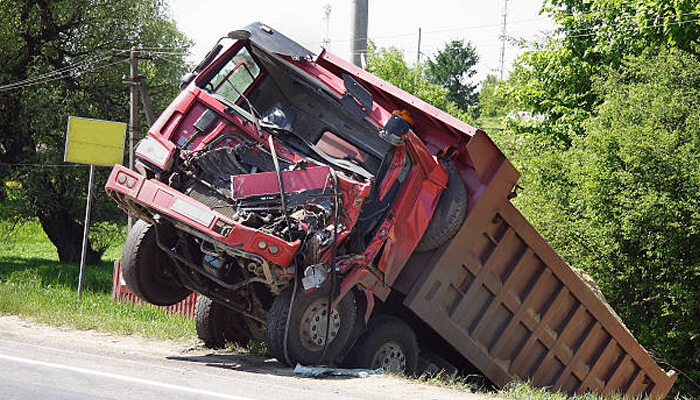

Houston’s highways see a constant flow of commercial truck traffic, with major freight routes such as Interstate 10, Interstate 45, and U.S. Route 59 connecting businesses, ports, and distribution centers across Texas. As a result, serious truck accident claims are an unfortunate reality for many drivers in the region.
Most people assume a truck accident claims works like a standard car accident case. In reality, these claims are often more complex, involving multiple liable parties, extensive evidence, and large insurance carriers. That is why many injured drivers choose to consult a Houston truck accident attorney early in the process to understand their rights better and avoid costly mistakes. When the stakes and complexity are higher, it is best to understand how a truck accident claim differs to prepare yourself for the process better.
Multiple Parties May Share Responsibility
One of the biggest differences between truck accidents and ordinary vehicle collisions is the number of potentially responsible parties involved. In a typical car accident, liability usually rests with one or both drivers. In a trucking accident, responsibility may extend to several different entities, including:
- The truck driver
- The trucking company
- Cargo loading contractors
- Vehicle maintenance providers
- Equipment manufacturers
- Third-party logistics companies
Each party may have its own insurance carrier, legal team, and version of events. Determining who is responsible often requires a detailed review of contracts, maintenance records, employment relationships, and operational practices.
Trucking Companies Begin Investigating Immediately
After a serious truck accident, trucking companies often respond much faster than most people expect. Large carriers frequently have accident response teams that begin collecting evidence shortly after a collision occurs. Investigators may examine the scene, interview witnesses, review vehicle data, and work with insurance representatives to assess potential liability. Meanwhile, injured drivers are often focused on medical treatment and recovery. The imbalance can create challenges if important evidence is not preserved quickly.
The Evidence Is Far More Complex
Truck accident investigations typically involve evidence that does not exist in standard passenger vehicle crashes.
Examples include:
- Electronic logging device (ELD) records
- Driver qualification files
- Hours-of-service records
- Vehicle inspection reports
- Maintenance logs
- GPS tracking information
- Dispatch communications
- Cargo documentation
These records can provide important insights into whether safety regulations were followed before the crash occurred. The Federal Motor Carrier Administration (FMCSA) maintains extensive regulations governing commercial trucking operations throughout the United States. Understanding these requirements is often an important part of determining liability.
Insurance Coverage Is Usually Much Larger
Commercial trucking policies often carry significantly higher coverage limits than personal automobile insurance policies. While larger insurance policies can increase the compensation available in a successful claim, they also create greater financial exposure for insurers. As a result, trucking insurers often devote substantial resources to investigating and defending claims.
Settlement negotiations may involve complex questions regarding medical expenses, future treatment costs, lost income, diminished earning capacity, and long-term disability.
Injuries Are Often More Severe

The size and weight of commercial trucks contribute to the severity of many crashes. According to the Insurance Institute for Highway Safety, large trucks can weigh 20 to 30 times as much as passenger vehicles. When collisions occur, occupants of smaller vehicles typically face the greatest risk of serious injury.
Common injuries include:
- Traumatic brain injuries
- Spinal cord injuries
- Multiple fractures
- Internal organ damage
- Severe soft tissue injuries
- Permanent disabilities
Because these injuries often require long-term treatment, accurately calculating future damages becomes a critical part of the claims process.
Federal Regulations Can Affect Liability
Unlike ordinary drivers, commercial truck operators must comply with extensive federal safety regulations.
These rules govern areas such as:
- Driver working hours
- Vehicle inspections
- Drug and alcohol testing
- Driver qualifications
- Cargo securement
- Maintenance procedures
Evidence that a trucking company or driver violated these requirements can become highly relevant when determining fault and evaluating damages. Investigators often review logbooks, electronic logging device data, inspection records, maintenance histories, and testing documentation to determine whether safety rules were followed. When violations are documented, they may support arguments that the crash was foreseeable or the result of negligent operations.
What Early Decisions Matter
One common mistake accident victims make is assuming their claim will resolve itself through the normal insurance process. Statements provided to insurers, medical documentation, repair estimates, and evidence preservation efforts can all influence the outcome of a claim.
Decisions made in the days immediately following a crash often have long-term consequences. Because truck accident cases involve multiple parties, extensive documentation, and complex liability questions, understanding the process early and seeking legal counsel can help injured drivers avoid costly mistakes.
Final Thoughts
Truck accident claims are fundamentally different from ordinary car accident cases. Multiple liable parties, federal regulations, sophisticated insurance defenses, and severe injuries all contribute to a more complex claims process.
For drivers involved in a serious commercial vehicle collision, understanding these differences is essential. The more informed you are about how truck accident claims work, the better prepared you will be to protect your interests and make informed decisions during recovery.
