


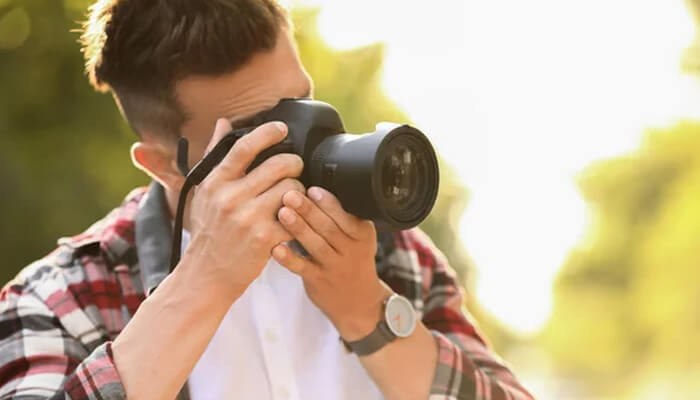

Real Moments Beat Perfect Poses
Most people freeze when a camera points at them. Smiles become stiff. Posture changes. Conversations stop. The moment becomes performance instead of reality. Candid photography works differently.
It captures people before they have time to act for the camera. That creates images that feel alive instead of staged.
A candid photo often tells a better story because nothing was planned.
One photographer described taking photos at a local event when two volunteers accidentally dropped a box of paper cups. “They both started laughing while trying to catch cups rolling across the parking lot,” he said. “Nobody posed. Nobody noticed me. That ended up being the strongest photo from the whole day.”
Moments like that feel familiar because they are real.
Everyday Life Contains Better Stories Than Most People Realize
Ordinary Moments Hold Emotional Weight
Many people assume photography requires dramatic scenes.
It does not.
Small moments carry emotional impact when they are honest.
A father tying his child’s shoes before school. A tired worker drinking coffee after a long shift. A shelter dog finally relaxing after pacing for hours.
These scenes matter because people recognize themselves in them.
Research from Adobe found that 72% of viewers respond more positively to authentic-looking photos than heavily staged images. People connect with honesty faster than perfection.
Candid Photos Age Better
Posed photos often feel locked to a specific trend or moment.
Candid photos stay timeless because emotion changes less than fashion.
One community photographer described finding an old image from a town festival years later. “It wasn’t the parade photo everyone expected,” he said. “It was two kids sitting on a curb sharing fries while fireworks reflected in a puddle nearby.”
That image still felt alive years later.
Why Candid Photography Feels More Human
People Forget the Camera Exists
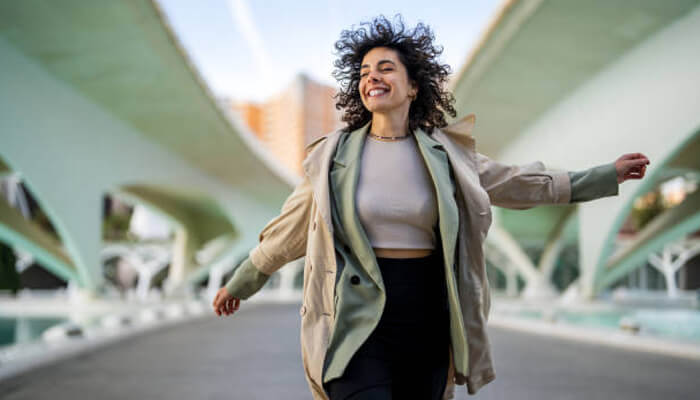
The best candid photos usually happen after people stop noticing the camera.
That is when body language changes. Faces relax. Conversations become natural again.
One volunteer photographer described photographing a shelter adoption event. “A little girl sat down next to an older dog and started reading quietly from a book,” he said. “The dog rested his head on her shoe after a few minutes. Nobody told them to pose.”
The resulting image spread quickly through the community because it felt genuine.
Emotion Appears Faster Than People Expect
Strong emotions happen in small flashes.
Relief. Frustration. Pride. Curiosity. Joy.
Candid photography captures those reactions before they disappear.
Mitchell Seaworth once described photographing a baseball player moments after a big win. “The game had just ended, and he was walking back to the dugout,” he said. “Then he broke into this huge smile. It wasn’t for the camera, it was pure joy. I took the photo as soon as I saw that smile.”
That pause carried more emotion than the celebration afterward.
Technology Changed Access, Not Human Attention
Cameras improved dramatically over the last decade. Phones now take sharp images in almost any setting.
That does not automatically create meaningful photography.
Observation still matters most.
A good candid photographer watches people carefully. They anticipate reactions. They stay patient long enough for real moments to appear.
A camera records information. The photographer decides where meaning exists.
Why Communities Benefit from Candid Photography
Candid Images Create Shared Memory
Communities rely on memory.
Festivals, volunteer projects, markets, and neighborhood events build local identity. Candid photography preserves those moments honestly.
A staged group photo shows attendance. A candid photo shows atmosphere.
One local organizer explained the difference clearly. “We had a posed photo from our fundraiser,” she said. “But the photo everyone kept talking about showed volunteers eating pizza on the curb after cleanup because they looked exhausted and happy.”
That image reflected the actual experience.
People Feel Seen
Many people contribute quietly to communities without recognition.
Candid photography often highlights those unnoticed moments.
A volunteer stacking chairs after an event. A parent helping clean up trash. A neighbor carrying supplies in the rain.
Recognition matters.
Research from the Corporation for National and Community Service found that volunteers who feel appreciated are significantly more likely to stay active long-term.
Photography supports that recognition naturally.
How to Take Better Candid Photos
Stop Asking People to Smile
People rarely look natural when instructed to pose immediately.
Instead, let conversations continue. Wait for interaction. Watch how people move when they forget the camera exists.
Stay in One Place Longer
Many photographers move too quickly.
Good candid moments usually happen after people settle into an environment. Stay longer than feels necessary.
One event photographer explained his approach simply. “The best photos always happened twenty minutes after everyone else stopped shooting.”
Focus on Reactions
Action matters less than response.
Watch faces after announcements, jokes, surprises, or emotional moments. Reactions often carry stronger emotional impact than the event itself.
Use Familiar Environments
People relax faster in places they know well.
Community centers, local parks, family kitchens, shelters, and neighborhood streets all create natural behavior.
Familiarity produces authenticity.
Common Mistakes That Ruin Candid Photography
Overediting
Heavy editing removes realism.
Natural lighting and honest color usually work better for candid images.
Interrupting Moments
Some photographers stop interactions to reposition people.
That breaks authenticity immediately.
Observe first. Shoot quietly.
Chasing Perfection
Perfect composition matters less than emotional accuracy.
Slightly imperfect photos with strong feeling often outperform technically flawless images.
Why Candid Photography Matters More Now
Modern life moves fast. People document less carefully and pay attention less consistently.
Candid photography slows things down.
It preserves details people would otherwise forget.
The coffee stain on a volunteer’s shirt after a twelve-hour event. Muddy shoes after a rainy cleanup day. A shelter dog finally wagging its tail during adoption day.
These moments tell real stories.
Final Thoughts
Candid photography works because it captures life before people edit themselves.
It documents emotion, connection, and atmosphere in ways posed photography often cannot.
The strongest candid images usually involve ordinary moments. A quick laugh. A tired smile. A moment of relief.
Those scenes stay meaningful because they feel honest.
Anyone can learn candid photography. Expensive equipment matters far less than patience and observation.
The goal is simple.
Pay attention longer than everyone else.
Eventually, something real will happen in front of the camera.
When it does, press the shutter.
