



Gel manicures are popular because they provide a long-lasting, chip-resistant finish that can keep nails looking polished for weeks. However, removing gel polish incorrectly can weaken the nail surface, cause peeling, and leave natural nails looking thin or damaged. Understanding how to remove gel nail polish safely is important for maintaining healthy nails and preventing unnecessary breakage.
Many people try to peel or scrape off gel polish, but these methods can remove layers of the natural nail along with the coating. This guide explains how to remove gel nail polish at home using safe techniques that help protect your nail plate, cuticles, and surrounding skin while minimizing damage.
Why Gel Nail Polish Can Damage Natural Nails
Many people assume gel polish is what damages nails, but the real problem is often the removal process. Understanding how to remove gel nail polish correctly is important because improper removal can weaken the natural nail and lead to long-term damage.
When gel polish is peeled, picked, or forced off, it can take thin layers of the natural nail with it. This may leave nails feeling weak, rough, thin, and more prone to splitting or breakage. In some cases, repeated damage can make nails look unhealthy for weeks after the polish is removed.
If you’re learning how to remove gel nail polish safely, it helps to know which habits cause the most damage. The most common mistakes include:
- Peeling gel polish off by hand
- Scraping aggressively with metal tools
- Over-filing the natural nail surface
- Soaking fingers in acetone for excessive periods
- Applying gel manicures too frequently without breaks
- Skipping cuticle oil and nail moisturization after removal
The good news is that most gel polish damage is preventable. Using the correct removal method and proper aftercare can help keep your natural nails healthy, smooth, and strong.
What I Learned From Removing Gel Polish at Home
One of the biggest mistakes many people make is assuming that gel polish should come off quickly. In practice, most nail damage happens when people become impatient and start peeling, scraping, or forcing the polish off before it has softened properly.
A common experience is that nails often feel healthy immediately after a gel manicure, but repeated aggressive removal can gradually lead to thinning, peeling, and increased sensitivity. Taking a few extra minutes during the soaking stage usually results in far less damage and a smoother removal process.
The most important lesson is simple: if the gel does not come off easily, it probably needs more time to soften.
Gel Polish vs Regular Nail Polish: Why Removal Is Different
Many people searching for how to remove gel nail polish safely do not realize that gel polish is very different from regular nail polish.
Regular nail polish sits on the surface of the nail and can usually be removed within minutes using a standard nail polish remover. Gel polish, however, is cured under a UV or LED lamp, creating a stronger bond that helps it last for weeks without chipping.
Because of this stronger bond, gel polish requires a different removal process. Peeling or scraping it off can remove layers of the natural nail and lead to damage.
Key differences include:
- Regular nail polish removes quickly with standard remover.
- Gel polish is designed to last much longer.
- Gel polish bonds more firmly to the nail surface.
- Improper removal can cause thinning, peeling, and breakage.
- Extra care is needed when learning how to remove gel nail polish without damaging natural nails.
Understanding these differences is the first step toward protecting your nails during the removal process.’
Who Should Use This Gel Polish Removal Method?
This method is best for:
- Standard soak-off gel polish
- At-home gel manicure users
- People with healthy natural nails
- Beginners looking for a safe removal process
You may want professional removal if you have:
- Hard gel nails
- Builder gel overlays
- Acrylic nails
- Damaged or infected nails
Tools You Need
Before you begin, gathering the right tools can make the removal process easier, safer, and less likely to damage your natural nails. Using proper tools helps soften the gel effectively while reducing unnecessary scraping, filing, and irritation.
| Item | Why You Need It |
|---|---|
| Nail File | To gently remove the shiny top layer of gel polish |
| 100% Acetone | To soften and break down the gel coating |
| Cotton Balls or Cotton Pads | To apply acetone directly to the nail |
| Foil or Plastic Wrap | To hold the acetone-soaked cotton in place |
| Wooden Cuticle Stick | To gently lift softened gel polish |
| Buffer | To smooth the nail surface after removal |
| Cuticle Oil | To restore moisture to nails and cuticles |
| Hand Cream | To reduce dryness caused by acetone |
Having these supplies ready before you start will help the process go more smoothly and reduce the temptation to rush or force the gel polish off, which is one of the leading causes of nail damage.
Acetone Removal Methods: Foil vs Plastic Wrap
When learning how to remove gel nail polish at home, one of the most important decisions is how you keep the acetone-soaked cotton in contact with the nail. The two most common methods are aluminum foil and plastic wrap.
Both options can work well, but each has its own advantages and disadvantages.
| Method | Benefits | Drawbacks |
|---|---|---|
| Aluminum Foil | Easy to use, widely available, holds cotton securely | Can loosen during soaking |
| Plastic Wrap | Creates a tighter seal and helps reduce acetone evaporation | May require extra wrapping effort |
Which Method Should You Choose?
Consider these factors:
- Aluminum foil is often the easiest option for beginners.
- Plastic wrap may create a tighter seal around the nail.
- Both methods help keep acetone from evaporating too quickly.
- The effectiveness depends more on proper application than the material used.
If you’re wondering how to remove gel nail polish safely without damaging your natural nails, the most important step is ensuring the acetone-soaked cotton stays in direct contact with the nail long enough to soften the gel completely.
A little patience during this stage can make the removal process easier and help prevent unnecessary scraping, peeling, or nail damage.
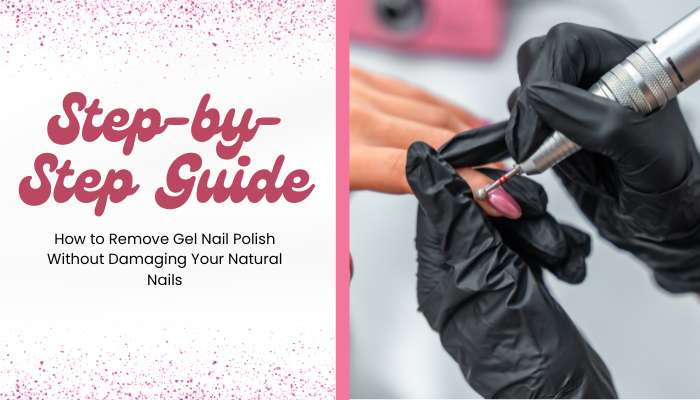
Step-by-Step Guide: How to Remove Gel Nail Polish Without Damaging Your Natural Nails
If you’re wondering how to remove gel nail polish safely at home, the key is patience. Rushing the process or trying to peel off the polish can damage your natural nails. Follow these steps carefully to remove gel polish while keeping your nails healthy and strong.
Step 1: Wash and Dry Your Hands
Start with clean, dry hands. Remove any lotion, oil, or residue from the nail surface so the acetone can work effectively.
Before beginning, make sure your workspace is well-ventilated because acetone has a strong smell and evaporates quickly.
Step 2: Gently File the Shiny Top Coat
One of the most important steps in how to remove gel nail polish is breaking the glossy top layer.
Use a nail file to lightly buff the shiny top coat. You only need to remove the surface shine so the acetone can penetrate the gel layers underneath.
Keep these tips in mind:
- File gently and evenly.
- Avoid filing into the natural nail.
- Stop once the nail surface looks dull.
- Do not try to remove all of the gel with the file.
Step 3: Protect Your Skin
Before applying acetone, protect the skin around your nails.
Apply:
- Petroleum jelly
- Cuticle oil
- Thick hand cream
This simple step helps reduce dryness and irritation during the removal process. Avoid applying these products directly on top of the gel polish because acetone needs direct contact with the nail surface.
Step 4: Soak Cotton in Acetone
Take a small cotton ball or cotton pad and soak it with 100% acetone.
Place the cotton directly on the nail and try to keep the acetone concentrated on the gel polish rather than soaking the entire fingertip.
Step 5: Wrap Each Nail
Secure the acetone-soaked cotton using aluminum foil or plastic wrap.
The wrap helps:
- Hold the cotton in place
- Prevent acetone from evaporating
- Keep the nail surface warm
- Speed up the softening process
Leave the wraps on for approximately 10–15 minutes.
Step 6: Check One Nail First
Before removing all the wraps, check one nail to see if the gel has softened.
Signs the gel is ready include:
- Lifting edges
- Cracked appearance
- Soft texture
- Easy separation from the nail surface
If the polish still feels hard, rewrap the nail and wait a few more minutes. This is an important part of how to remove gel nail polish without causing unnecessary damage.
Step 7: Gently Push Off the Softened Gel
Once the gel has softened, use a wooden cuticle stick to carefully slide the polish off the nail.
For best results:
- Push gently in the direction of nail growth.
- Remove only softened gel.
- Stop if you feel resistance.
- Re-soak the nail if needed.
Avoid metal tools if possible, especially if you are new to how to remove gel nail polish at home. Metal tools can easily scrape the natural nail and cause thinning or roughness.
Step 8: Lightly Buff the Nail
After removing the gel, inspect your nails for any small leftover patches.
If necessary:
- Use a soft buffer.
- Smooth rough spots gently.
- Avoid excessive buffing.
- Do not thin the natural nail.
The goal is to create a smooth surface, not remove additional nail layers.
Step 9: Moisturize Your Nails and Cuticles
The final step in how to remove gel nail polish safely is restoring moisture.
Acetone can leave nails and skin feeling dry, so apply:
- Cuticle oil
- Nourishing hand cream
- Nail-strengthening treatment (optional)
For the next few days, continue moisturizing your nails and cuticles regularly. Proper aftercare can help keep your natural nails healthy, flexible, and strong after gel polish removal.
What Not to Do When Removing Gel Nail Polish
Knowing how to remove gel nail polish safely is just as much about avoiding mistakes as it is about following the correct steps. Many cases of nail damage happen because people try to speed up the removal process or use the wrong techniques.
To protect your natural nails, avoid these common mistakes:
- Do not peel gel polish off by hand.
- Do not bite or pick at lifted gel.
- Do not use sharp tools underneath the polish.
- Do not over-file the natural nail surface.
- Do not soak your entire hand in acetone for long periods.
- Do not force gel polish that has not softened completely.
- Do not rush the removal process.
- Do not apply a new gel manicure immediately if your nails feel weak or sensitive.
Why These Mistakes Matter
When learning how to remove gel nail polish, patience is one of the most important tools you can have. Peeling, scraping, or forcing off gel polish can remove layers of the natural nail, leading to thinning, roughness, peeling, and breakage.
If the gel does not come off easily, it usually means it needs more soaking time. Taking a few extra minutes can help prevent weeks of nail damage and keep your natural nails healthier in the long run.
Quick Reminder
If the gel polish resists removal:
- Reapply acetone-soaked cotton.
- Wrap the nail again.
- Wait another 5–10 minutes.
- Try removing the softened gel gently.
A little patience now can save your nails from unnecessary damage later.
Can You Remove Gel Nail Polish Without Acetone?
The idea of removing gel polish without acetone sounds appealing, especially for people who want to avoid dryness or strong chemical smells. However, gel polish is specifically designed to be durable, which makes it much harder to remove than regular nail polish.
When researching how to remove gel nail polish, you’ll quickly discover that acetone remains the most effective method for softening cured gel. While acetone-free removers may work well on traditional nail polish, they typically struggle to break down gel coatings completely.
Before attempting alternative methods, keep these points in mind:
- Gel polish is designed to resist everyday wear and tear.
- Acetone softens gel faster and more effectively than most alternatives.
- Acetone-free removers may require significantly more time.
- Peeling or forcing off gel polish can damage natural nails.
If your goal is to learn how to remove gel nail polish safely while avoiding unnecessary nail damage, patience is more important than avoiding acetone altogether. When used correctly, acetone is often the safest and most effective option.
Gel Polish, Builder Gel, Dip Powder, and Acrylic Nails Are Different
Not every nail enhancement removes the same way. This is one of the biggest reasons people experience nail damage during removal.
Before starting, it’s helpful to know what type of product is on your nails:
| Nail Enhancement | Removal Difficulty |
|---|---|
| Soak-Off Gel Polish | Easy to Moderate |
| Builder Gel | Moderate |
| Hard Gel | Difficult |
| Dip Powder | Moderate |
| Acrylic Nails | Difficult |
Important differences include:
- Traditional gel polish is usually designed to soak off.
- Builder gel may require extra soaking time.
- Hard gel often needs professional filing.
- Dip powder uses a different removal process.
- Acrylic nails typically require more extensive removal techniques.
Understanding these differences can make how to remove gel nail polish much safer and help you avoid unnecessary thinning, peeling, or breakage.
If you are unsure what product was used during your manicure, professional advice is often the safest option.
How to Care for Nails After Gel Removal
Removing the polish is only half the job. What you do afterward can have a major impact on how healthy your nails look and feel over the next few weeks.
After learning how to remove gel nail polish, give your nails time to recover and rebuild moisture.
Simple Aftercare Tips
- Apply cuticle oil daily.
- Use hand cream after washing your hands.
- Keep nails trimmed while they recover.
- Avoid harsh cleaning chemicals.
- Wear gloves during household chores.
- Consider a strengthening base coat.
- Take a short break before your next gel manicure.
Why Aftercare Matters
Proper aftercare can help:
- Reduce dryness caused by acetone.
- Improve nail flexibility.
- Minimize peeling and splitting.
- Support healthy nail growth.
- Keep cuticles hydrated and healthy.
A few days of extra care can make a noticeable difference and help maintain the healthy nails you’re working to protect while learning how to remove gel nail polish safely.
Signs Your Nails Are Recovering Properly
After gel polish removal, healthy recovery signs may include:
- Improved nail flexibility
- Reduced dryness around the cuticles
- Less peeling at the nail edges
- Smoother nail surfaces
- Stronger nail growth over time
Most mild dryness improves within several days when nails are moisturized consistently. Monitoring these signs can help you determine when your nails are ready for another manicure.
How Long Do Nails Take to Recover?
The recovery period varies depending on nail health, manicure frequency, and removal habits.
| Nail Condition | Typical Recovery Time |
|---|---|
| Mild Dryness | Several Days |
| Slight Peeling | 1–3 Weeks |
| Moderate Weakness | 1–2 Months |
| Significant Damage | Several Months |
Keeping nails moisturized, limiting additional nail enhancements, and following proper aftercare can help support healthier nail growth during recovery.
How Long Should You Wait Before Your Next Gel Manicure?
Freshly removed nails may look fine on the surface, but that doesn’t always mean they are ready for another gel manicure right away. Giving your nails time to recover can help maintain their strength and reduce the risk of long-term damage.
The ideal waiting period depends on the condition of your nails.
If your nails feel healthy, smooth, and strong, applying another gel manicure may be reasonable. However, if they feel thin, flexible, rough, peeling, or sensitive, taking a short break can be beneficial.
During this recovery period, focus on:
- Applying cuticle oil daily
- Using hand cream regularly
- Keeping nails neatly trimmed
- Avoiding harsh cleaning chemicals
- Wearing gloves during household chores
- Staying consistent with nail hydration
If you’re learning to remove gel nail polish safely, remember that proper recovery is just as important as the removal process itself. Healthy nails provide a stronger foundation for future manicures.
When Should You See a Nail Professional?
Most people can safely remove gel polish at home, but certain symptoms may indicate that professional advice is needed. After learning how to remove gel nail polish, pay attention to how your nails look and feel over the following days.
Consider visiting a nail technician or dermatologist if you notice:
- Pain during or after removal
- Bleeding around the nail
- Severe peeling or splitting
- Green, yellow, or dark discoloration
- Swelling around the cuticle
- Nail lifting from the nail bed
- Signs of infection
These symptoms may indicate damage that requires professional attention.
Avoid covering damaged or infected nails with a new gel manicure. While it may temporarily hide the problem, it can make the condition worse and delay proper treatment.
Can AI Beauty Advice Replace Professional Nail Care?
AI-powered beauty tools can provide general information about nail care, manicure maintenance, and gel polish removal. However, they cannot examine your nails in person or diagnose nail conditions.
If you notice severe discoloration, infection, nail lifting, persistent pain, or unusual changes after gel removal, professional advice from a qualified nail technician or healthcare professional is still the safest option.
AI guidance can help with education, but personalized assessment remains important when nail health concerns arise.
Best Tips to Prevent Nail Damage from Gel Polish
The best way to protect your nails is to prevent damage before it starts. While understanding how to remove gel nail polish correctly is important, good nail habits throughout the manicure process can make an even bigger difference.
To keep your natural nails healthier:
- Choose a reputable nail salon.
- Ask for gentle gel polish removal.
- Avoid cutting or pushing cuticles aggressively.
- Do not overuse gel manicures without breaks.
- Keep nails and cuticles moisturized.
- Never peel or pick at lifting gel polish.
- Give your nails occasional recovery periods.
- Use quality nail care products whenever possible.
Healthy Nail Habits Matter
Small habits can have a lasting impact on nail health.
By combining proper nail care with the correct how to remove gel nail polish techniques, you can:
- Reduce nail thinning
- Minimize peeling and splitting
- Maintain stronger nails
- Improve nail appearance
- Support healthier nail growth over time
A little extra care today can help keep your natural nails stronger and healthier between gel manicures.
Important Safety Tips for Removing Gel Nail Polish
Removing gel polish safely is not just about taking off the color. It is also about protecting your natural nails, cuticles, and surrounding skin throughout the process.
If you’re learning how to remove gel nail polish, following a few simple safety precautions can help prevent unnecessary damage and make the process much smoother.
Keep these important tips in mind:
- Work in a well-ventilated area when using acetone.
- Keep acetone away from open flames and heat sources.
- Never peel or force gel polish off the nail surface.
- Stop immediately if you experience pain, irritation, or bleeding.
- Moisturize your nails and cuticles after removal.
- Avoid excessive filing of the natural nail.
- Seek professional help if the gel does not soften properly.
One of the biggest mistakes people make when learning how to remove gel nail polish is rushing the process. Taking a few extra minutes can help protect your nails from peeling, thinning, and long-term damage.
A patient and gentle approach is always the safest option for maintaining healthy natural nails.
Common Signs Your Nails Need a Break from Gel Polish
Gel manicures can be convenient and long-lasting, but even healthy nails sometimes need time to recover. Ignoring early warning signs can make minor nail issues worse over time.
After practicing how to remove gel nail polish correctly, pay attention to the condition of your nails before scheduling another manicure.
Your nails may need a break if you notice:
- Peeling nail layers
- Excessive brittleness
- White spots on the nail surface
- Increased nail splitting
- Persistent dryness
- Nail sensitivity after removal
These signs do not always indicate serious damage, but they can suggest that your nails need extra hydration and recovery time.
Giving your nails a short break, moisturizing regularly, and reducing exposure to harsh products can help improve nail strength and overall appearance.
Common Myths About Gel Polish Removal
Several myths continue to circulate about gel manicures and removal.
Myth: Gel polish always damages nails.
Fact: Most damage occurs during improper removal rather than from the gel polish itself.
Myth: Peeling off gel polish is harmless.
Fact: Peeling can remove layers of the natural nail.
Myth: Acetone automatically ruins nails.
Fact: When used properly and followed with moisturization, acetone is generally the most effective way to remove soak-off gel polish.
Myth: Stronger filing removes gel faster.
Fact: Excessive filing often damages the natural nail more than the gel itself.
Professional Salon Removal vs At-Home Removal
Both professional salon removal and at-home removal can be safe when done correctly. The best choice often depends on the type of nail enhancement and the condition of your natural nails.
If you’re unsure about how to remove gel nail polish safely, understanding the advantages of each option can help you make a better decision.
| Removal Method | Best For | Main Advantage |
|---|---|---|
| At-Home Removal | Standard gel polish | Convenient and cost-effective |
| Professional Removal | Hard gel, builder gel, acrylics | Lower risk of improper removal |
Which Option Is Right for You?
At-home removal may be a good choice if:
- You have standard soak-off gel polish.
- Your nails are healthy and undamaged.
- You have the proper removal tools.
- You can follow the process patiently.
Professional removal may be the better option if:
- You have hard gel, builder gel, or acrylic nails.
- Your nails are already thin or damaged.
- The product does not soften properly.
- You are unsure which nail enhancement was applied.
Practising how to remove gel nail polish at home is helpful, but there are times when professional assistance is the safest and most effective choice. Protecting your natural nails should always be the priority.
Quick Checklist for Safe Gel Nail Polish Removal
✓ File only the shiny top coat
✓ Protect skin around the nails
✓ Use acetone-soaked cotton
✓ Wrap nails securely
✓ Wait for complete softening
✓ Remove gel gently
✓ Moisturize nails afterward
✓ Avoid peeling or scraping
Conclusion
Healthy nails do not depend on avoiding gel manicures altogether—they depend on removing them correctly. A gentle removal process can help prevent peeling, thinning, and breakage while keeping your natural nails looking smooth and strong. Understanding how to remove gel nail polish safely means taking your time, using the right tools, and resisting the urge to peel or scrape off stubborn gel. Small steps such as proper soaking, gentle removal, and regular moisturization can make a significant difference in nail health.
Most importantly, how to remove gel nail polish is not just about taking off the product. It is also about protecting your natural nails before, during, and after the removal process. With the right approach and a little patience, you can continue enjoying gel manicures while maintaining healthy, strong, and beautiful nails for the long term.
FAQs About How to Remove Gel Nail Polish Without Damaging Your Natural Nails
1. Can How to Remove Gel Nail Polish Be Done Without Foil?
Yes. While foil is commonly used, some people use reusable nail clips or plastic wrap to keep acetone-soaked cotton in place during gel polish removal.
2. How to Remove Gel Nail Polish From Toenails?
The process is similar to fingernails. File the top coat, apply acetone-soaked cotton, wrap the toenails, and gently remove the softened gel after soaking.
3. How to Remove Gel Nail Polish If You Have Sensitive Skin?
Apply petroleum jelly around the nails before using acetone and moisturize thoroughly afterward to help reduce dryness and irritation.
4. How to Remove Gel Nail Polish While Traveling?
Portable removal kits containing acetone pads, nail clips, and cuticle sticks can make gel polish removal easier when you are away from home.
5. How to Remove Gel Nail Polish Without Making Nails Brittle?
Avoid over-filing, do not peel the gel, and use cuticle oil regularly after removal to help maintain nail flexibility.
6. Can How to Remove Gel Nail Polish Differ Between Brands?
Yes. Some gel polish formulas are thicker or more durable than others, which may require additional soaking time.
7. How to Remove Gel Nail Polish Before a Special Event?
Plan removal at least a day before the event so your nails have time to recover and absorb moisturizing treatments.
8. How to Remove Gel Nail Polish and Prepare for Regular Nail Polish?
After removal, buff lightly, moisturize, clean the nail surface, and apply a base coat before using traditional nail polish.
