




Bot detection has gotten ruthless. Modern fingerprinting systems flag suspicious traffic in milliseconds, comparing IP reputation, header consistency, and behavioral patterns against billions of known signals. Even 4G rotating proxies can trip these alarms if datacenter IPs are used, and residential proxies may fail when sites cross-reference connection data with browser telemetry.
Mobile networks tell a different story. Traffic from cellular carriers reads like someone scrolling Instagram on the bus, and 4G rotation has quietly become the gold standard wherever authenticity outweighs raw speed.
Why Mobile Traffic Looks Different to Servers
Cellular carriers don’t hand out unique public IPs to every device. They use Carrier-Grade NAT (CGNAT) to share a small pool of addresses across thousands of subscribers, meaning your neighbor’s TikTok session and your grocery order might leave the tower with the exact same external IP. This shared-pool design is now standard across every major mobile operator worldwide.
That arrangement is great news for anyone trying to look human online. If a website blocks one mobile IP, it risks shutting out hundreds of legitimate users connected through the same gateway. So sites apply lighter restrictions to traffic from known carrier ranges than to anything coming out of AWS or DigitalOcean.
The asymmetry is real, and it’s measurable. Carriers like T-Mobile and Vodafone push tens of millions of subscribers through relatively narrow IP blocks, so any single address has built-in plausible deniability.
The Mechanics of IP Rotation Through Cellular Networks
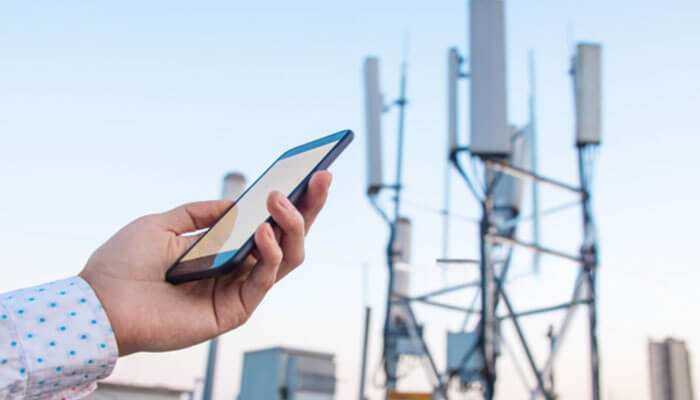
A 4g rotating proxy taps into this carrier infrastructure directly, cycling connections through real SIM cards on real cellular towers. Each rotation pulls a fresh IP from the carrier’s CGNAT pool, and because that pool is shared with regular subscribers, each new address looks indistinguishable from a phone someone just took off airplane mode.
According to Wikipedia’s overview of Carrier-grade NAT, this address-sharing architecture is now standard among ISPs and mobile operators worldwide. That’s exactly why cellular rotation works so well.
Rotation timing matters more than people realize. Aggressive switching (every few seconds) actually looks more suspicious than steady sessions, since real users don’t hop between towers mid-scroll. Most serious operators set rotation intervals between 10 minutes and several hours.
And the rotation method itself varies. Some setups force a new IP through airplane-mode toggling on the underlying device, while others use carrier APIs to request reassignment. The toggling approach tends to produce more natural-looking transitions.
Behavioral Signals Beyond the IP Address
But IPs are just the entry ticket. Detection systems also analyze TLS fingerprints, HTTP header order, screen dimensions, and touch event patterns to confirm a session is genuinely mobile. A connection from a 4G IP that ships a desktop User-Agent and mouse-driven JavaScript timing gets flagged immediately.
This is why pairing 4G proxies with mobile browser emulation has become standard practice. Tools that replicate iOS Safari or Android Chrome quirks (including viewport meta-tag handling and font rendering differences) round out the disguise.
According to Cloudflare’s official documentation on bot management, behavioral signals now carry more weight than raw IP reputation in serious detection stacks. Mobile-grade authenticity has to extend well beyond the network layer to fool modern defenses.
Where 4G Rotation Outperforms Other Approaches
For tasks tied to mobile-only experiences (app store rank tracking, Instagram automation, or social listening on Snapchat), there’s no real substitute for traffic that originates from an actual cellular network. Industry analysts writing for Harvard Business Review have flagged automated bot traffic as a top concern across ad verification, sneaker drops, and ticket sales: three industries where mobile proxies dominate.
Pricing reflects the difficulty. 4G rotation runs significantly more expensive than residential or datacenter alternatives, often by 3-5x per gigabyte. But for use cases where blocked sessions cost real money (failed ad verification campaigns can burn through six-figure budgets in hours), that premium pays for itself within weeks.
Looking Ahead
Bot defenses aren’t getting easier. Companies like Cloudflare and Akamai now feed billions of detection signals through machine learning models that update faster than any static workaround can keep up with. Operators chasing reliable access to mobile-first platforms will keep gravitating toward authentic carrier traffic because nothing else clears those filters consistently.
The arms race won’t end, but 4G rotation has earned its spot as the most resilient option available. Anyone running serious automation against mobile properties already knows this, and the gap between cellular and other proxy types is only widening.
