


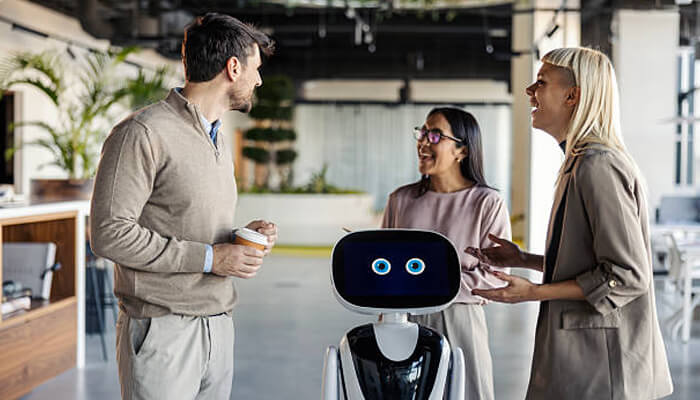

For the past decade, artificial intelligence has lived mostly behind glass. In our mobile or computer in the form of apps, search engines, recommendation feeds, and chatbots. You interact with it by typing. It responds with words. But something is shifting. The next chapter of AI is not digital. It is physical. Humanoid robots are moving out of research labs and into places where actual work happens. The question is no longer whether they can exist. It is whether the world is ready for them.
From Assembly Lines to Everywhere
Factories were the first test ground. Industrial robots have welded car frames and sorted packages for years, but those machines are fixed to the floor, bolted in place, doing one thing on a loop. Humanoid robots are different. They are designed to walk, pick things up, navigate stairs, and respond to unexpected situations. Companies like Figure, Apptronik, and Boston Dynamics have been developing robots that look roughly human-shaped and can perform a range of physical tasks. Tesla’s Optimus robot has been used in internal factory operations, with Elon Musk stating ambitions to eventually produce millions of units per year. Whether that timeline is realistic is another matter, but the direction is clear.
Where Will We Let Robots Work?
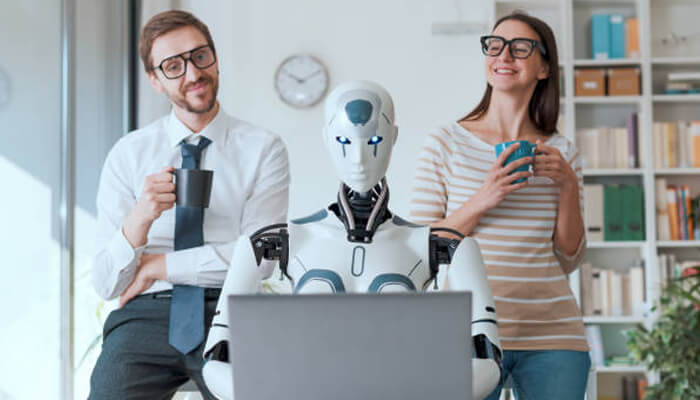
There are genuine problems that humanoid robots could help solve. Labour shortages in warehouses, elder care facilities, and manufacturing are real and growing in many countries. Some jobs are physically dangerous. Working in extreme heat, handling hazardous materials, doing repetitive motion tasks that cause long-term injury. Having a machine do those things instead carries obvious appeal. In hospitals, robots are already being tested for logistics tasks: transporting supplies, disinfecting rooms, fetching medication. None of that requires a human being to do it, and freeing up nurses and doctors from those duties has measurable value.
The (In)human connection
Here is where the excitement runs into a wall. Would you trust a robot to care for an elderly parent? To notice that something feels wrong, that the person is frightened, that what they need is a hand held rather than a pill delivered on schedule? Emotional attunement is not something current AI does reliably. Reliability itself is an open question, as robots in uncontrolled environments encounter exactly the kind of unpredictability that causes systems to fail. A warehouse floor is more forgiving than a kitchen. A hospital corridor with wet floors, confused patients, and shifting obstacles is another world entirely.
Cost is also a barrier that gets underplayed. The most advanced humanoid robots currently cost somewhere between $50,000 and $200,000 per unit, and that is before maintenance, software updates, and operator training. For large corporations, that is potentially viable. For a small care home or a regional hospital, it is not. And then there is the job displacement conversation, which refuses to go away. The optimistic framing is that robots take the jobs people do not want. The more complicated reality is that many people doing physically demanding, repetitive work need those jobs, and no policy framework currently (or will ever) exists to manage the transition well.
Robot Coworkers? Robot Neighbours?
Think about it practically. If your workplace introduced a humanoid robot tomorrow to handle stock in the back room, how would you feel about it? Curious, probably. Maybe a little unsettled. Now put that robot in a home, moving around, responding to voice commands, handling cleaning and cooking and reminders. That is a very different emotional landscape. Trust does not come automatically with capability. It is built over time, through repeated experience, through watching something behave predictably and safely. Humanoid robots are not there yet with most people, and that social gap is just as real as the technical one.
What Comes Next
The honest picture is that humanoid robots will arrive gradually in specific, controlled contexts before they become anything like commonplace. Factories first, then warehouses, then perhaps specific medical support roles. The technology will keep improving. Costs will likely fall. And somewhere along the way, society will need to have a serious conversation about what work is for, who benefits from automation, and what protections exist for the people whose livelihoods sit in the path of that progress.
It is an exciting moment in technology. And a complicated one. If you follow developments in AI and automation or just enjoy placing an informed wager on how things will play out, find the best signup bonus for sports betting in Canada while you think it over.
