




In many situations, people later speak with a drug charges lawyer in Cincinnati, OH, when they realize how indirect facts can still shape a serious legal outcome. This blog explains how that happens and how cases are built even without direct physical proof.
Understanding the Meaning of No Direct Evidence
No direct evidence simply means there is no clear moment where a person is seen holding or clearly controlling drugs. There is no direct visual or physical link that confirms ownership in a simple way. Instead, the situation is built using surrounding facts and observations. In Cincinnati, OH, drug cases often happen in shared spaces or situations where more than one person is present.
Common situations where direct proof is missing
- Drugs found in shared cars or homes.
- No witness saw actual possession.
- No clear confession from the accused.
- Items found in areas with mixed access.
Even without direct proof, cases still continue because the law allows indirect connections to be considered during review.
Circumstantial Evidence and How It Shapes the Case
Circumstantial evidence becomes the basis when direct evidence is not available. It does not show possession directly, but it builds a connection through surrounding details. Investigators look at many small pieces of information and connect them slowly to form a full picture.
In Cincinnati, OH, cases, this approach is common when drugs are discovered in shared environments or unclear ownership situations. Each detail alone may not be strong, but together they start forming a pattern that becomes important in court.
The focus is not on one fact but on how multiple facts support the same idea. This process is careful and structured, often reviewed step by step before any conclusion is made.
Constructive Possession and Control-Based Thinking
Constructive possession is used when a person does not physically hold drugs but may still have control over them in some way. Control does not always mean ownership. It can also mean access or responsibility over a space where drugs are found.
In many Cincinnati, OH, cases, this becomes important when substances are found in vehicles, rooms, or shared areas. The question becomes whether the person had enough connection to the location to suggest awareness or control.
This part of the case does not rely on direct observation. Instead, it focuses on how closely a person is linked to the place where the substance was discovered. The strength of this connection often plays a major role in how the case develops.
Behavior, Statements, and Investigation Observations
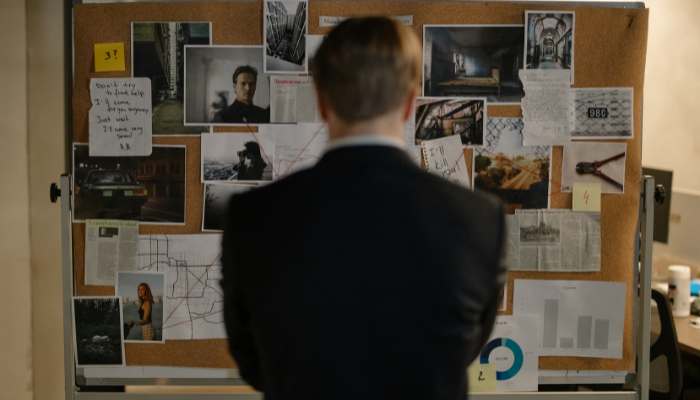
Police reports often include observations made during interaction with a suspect. These include behavior, tone, and responses during questioning. Even small changes in explanation can become part of the overall review.
Statements given at different times are also compared to see if they remain consistent. If details change, it may create questions that are later reviewed in court. In Cincinnati, OH, investigations, these early observations become part of the case file and are carefully studied later.
Each interaction is recorded as part of a larger timeline. Nothing is seen in isolation. Every answer and reaction becomes a piece of the overall structure.
Environment and Physical Context of Discovery
The location where drugs are found plays a major role in building the case. Shared environments often make ownership unclear, but they also provide context that investigators use to form conclusions.
Key environmental factors considered in cases
- The exact location of the substance inside a space
- How easily the item could be accessed
- Whether the area was shared or private
- Presence of personal belongings nearby
In Cincinnati, OH, many cases involve shared vehicles or living spaces where more than one person has access. This makes location analysis a key part of how the case is built in court.
Conclusion
Drug possession cases do not always depend on direct evidence to move forward in court. Instead, they are often built through careful connection of many small details. In Cincinnati, OH, this process includes behavior analysis, location study, and supporting facts that together form a complete picture.
Even without physical proof in hand, the legal system allows indirect evidence to play a major role in shaping outcomes. This is why many people later consult a drug charges lawyer in Cincinnati, OH, when they realize how layered these cases can become. Every detail, no matter how small, becomes part of how possession is understood inside the courtroom.
