


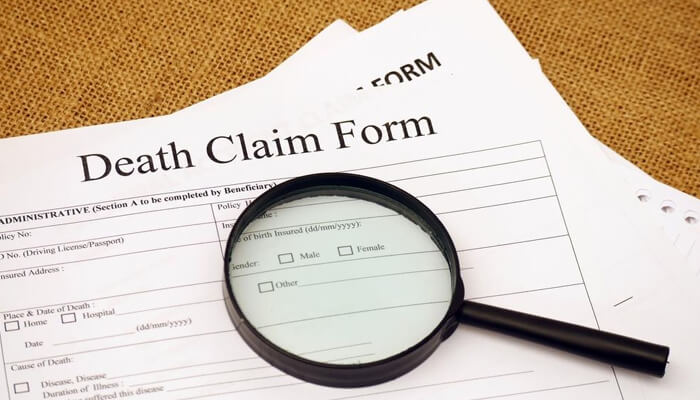

Missing information can slow investigations and create confusion around liability, medical treatment, or financial losses. Families who decide to file wrongful death claims in California cases often discover that documentation shapes nearly every part of the process. Some records may appear small at first, but they often become important pieces in larger legal discussions.
Why Documentation Matters So Much
Wrongful death investigations involve several parties, including insurance companies, investigators, hospitals, and legal professionals. Each group reviews records carefully to understand how the death happened and whether negligence may have played a role. Clear documents help create a timeline and reduce confusion between different reports or witness statements.
Paperwork also helps connect financial losses and medical treatment directly to the fatal incident. Without organized records, important details may later become difficult to confirm. That is why families are often encouraged to keep every report, receipt, and official document connected to the accident or medical care.
Six Important Records Often Reviewed In Wrongful Death Cases
Death Certificate
A death certificate is one of the first documents reviewed in wrongful death investigations. It confirms the cause of death, location, and official medical findings connected to the incident. Insurance companies and investigators often request this record early during the process.
Medical Records
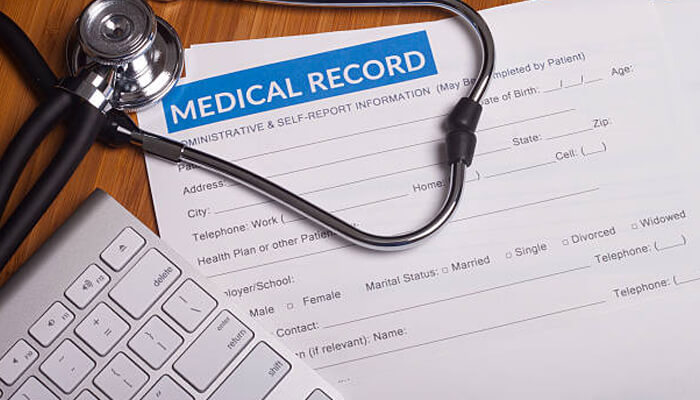
Medical records help show the injuries, treatment, surgeries, and hospital care connected to the fatal accident. These records may also explain how the injuries progressed after the incident and whether emergency treatment was provided immediately.
Police Or Accident Reports
Police reports usually contain important observations from the accident scene. Officers may include witness statements, road conditions, traffic violations, and diagrams explaining how the incident happened. These reports often become important during liability discussions.
Financial And Employment Records
Financial records may help show lost income and economic losses connected to the death. Employment details, salary information, and benefits records are sometimes reviewed carefully in wrongful death claims involving working individuals.
Witness Statements And Photographs
Witness statements can support important details surrounding the incident. Photographs from the scene may also help explain road conditions, property damage, visible injuries, or environmental hazards connected to the accident.
Communication And Insurance Records
Emails, insurance letters, repair estimates, and claim documents may help track conversations and timelines after the incident. These records can become useful if different reports later conflict with each other.
How To Make A Wrongful Death Case Stronger
Strong wrongful death claims are often built through careful organization and consistent records. Small details that seem unimportant at first may later become meaningful during investigations or insurance discussions.
Families should try to keep all medical paperwork together instead of spreading records across different places. Accident photographs, hospital bills, receipts, and insurance communication should also be saved carefully because delays or missing details sometimes create unnecessary complications later.
Important steps that may support the case include:
- Keeping copies of every medical and insurance document
• Saving witness names and contact details
• Organizing accident photographs and scene evidence
• Tracking financial losses connected to the death
• Maintaining copies of police and investigation reports
Families who file wrongful death claims in California cases sometimes face challenges because evidence can disappear over time. Surveillance footage may later be deleted, witnesses may become difficult to contact, and paperwork may become harder to collect months after the incident. Organized records often help reduce those problems during claim discussions.
Bottom Line
Wrongful death claims involve more than filing forms or collecting signatures. Every record connected to the case may help explain how the incident happened and how deeply the loss affected financial and legal responsibilities. Documentation often becomes the foundation that supports investigations, insurance reviews, and liability discussions.
Clear records cannot remove the difficulty surrounding a fatal accident, but they can help prevent confusion and strengthen important facts connected to the case. Careful organization, accurate information, and detailed paperwork continue to play a major role in wrongful death investigations across California today.
