




A beginner’s guide to collecting evidence after a car accident explains the essential steps drivers and passengers should take immediately after a collision. This includes taking photos of the scene, obtaining a police report, gathering witness statements, seeking medical attention, and preserving any video footage.
These actions help protect legal rights and strengthen any insurance or injury claim by ensuring that critical details are properly documented from the start. One of the most important things to understand is the different types of car accident evidence that can support a claim.
Acting quickly and collecting the right information can make a significant difference in proving what happened and securing fair compensation for damages or injuries.
Key Steps for Collecting Evidence After a Car Accident
Collecting strong evidence immediately after a car accident is essential for establishing what happened, proving fault, and supporting any insurance or legal claim.
Ensure Safety and Call for Help
The first priority after a car accident is to protect yourself and others from further harm. If possible, move to a safe location away from traffic and check for injuries before doing anything else.
Calling emergency services ensures that medical help is dispatched if needed and that law enforcement arrives to document the incident. A police report created at the scene often becomes a foundational piece of evidence when determining what happened and how the accident occurred.
Take Photos and Videos of the Scene
Visual evidence helps preserve the condition of the accident scene before anything is moved or cleared. Take clear photos and videos from multiple angles to capture the full situation.
Focus on documenting vehicle damage, road conditions, traffic signs, skid marks, debris, and any visible injuries. These visuals help reconstruct the accident later and can clarify details that written statements alone may not fully explain.
Collect Witness Information
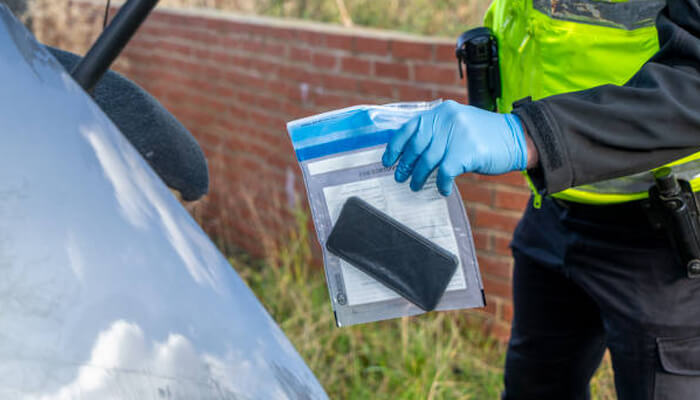
Witnesses can provide an independent account of how the accident occurred, which can be extremely valuable in disputed cases. Approach anyone who saw the crash and ask for their name and contact details.
If they are willing, ask them to briefly describe what they observed while the events are still fresh in their memory. Their statements can help confirm key facts and strengthen your version of events during insurance or legal proceedings.
Obtain a Copy of the Police Report
The police report is an official document that records details of the accident from law enforcement’s perspective. It typically includes information about the parties involved, statements made at the scene, road conditions, and the officer’s initial findings.
Insurance companies often rely heavily on this report when evaluating claims, making it an important document to obtain as soon as it becomes available. It can also play a key role in disputes about fault or liability.
Keep Medical Records and Bills
Seeking medical attention immediately after an accident is important even if injuries seem minor at first. Some injuries may not appear right away but can become serious over time.
Keep all medical records, hospital bills, prescriptions, and treatment notes, as they directly link your injuries to the accident. This documentation is essential when seeking compensation for medical expenses and long-term care.
Record Personal Notes About the Accident
Memory can fade quickly after a stressful event, so it is important to document your own account as soon as possible. Write down everything you remember about the accident while the details are still fresh.
Include information such as the time, exact location, weather conditions, traffic flow, and how the collision happened. These personal notes can help fill in gaps later and support your overall version of events when combined with other evidence.
Final Takeaways
- Collecting evidence after a crash is essential for protecting your legal and financial rights.
- Understanding the types of car accident evidence helps ensure nothing important is missed.
- Photos, witness statements, police reports, and medical records are key forms of documentation.
- Acting quickly after an accident improves the accuracy and strength of your claim.
- Being organized and thorough can make the insurance and legal process much smoother.
