


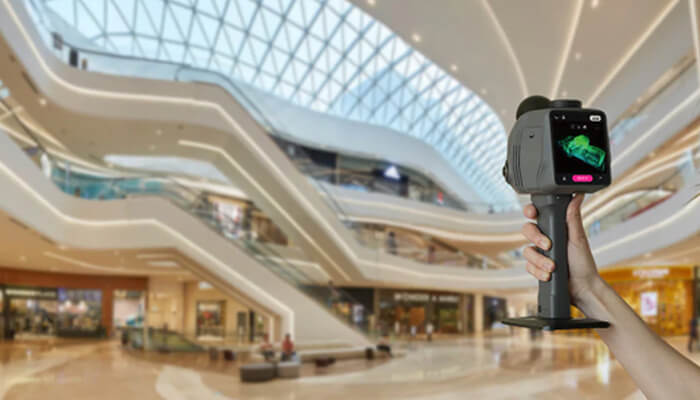

This is where a lidar 3d scanner changes the game. With advancements in scanning technology, capturing wide-area layouts is now faster, more precise, as well as accessible to a broader audience. From professionals to hobbyists, more people are turning to LiDAR-based tools to simplify complex spatial tasks. As demand grows for accurate digital replicas of real-world spaces, understanding how LiDAR works and how to use it effectively has never been more relevant today.
Main Points in Capturing Wide-Area Layouts
Before exploring solutions, it helps to understand the common challenges:
- Time-intensive processes: Manual measurements and traditional surveying can take hours or even days.
- Accuracy limitations: Human error and inconsistent tools often lead to inaccuracies.
- Complex data handling: Large environments produce massive datasets that can be difficult to process and manage.
What Is LiDAR 3D Scanning and Why It Matters
LiDAR stands for Light Detection and Ranging. It works by emitting laser pulses and measuring how long it takes for them to return after hitting a surface. This creates highly accurate 3D representations of environments.
Key Benefits of LiDAR Technology
- High precision: Captures fine details across large areas
- Speed: Scans environments in minutes instead of hours
- Scalability: Suitable for both small objects and expansive landscapes
- Versatility: Works both indoors and outdoors
LiDAR has become essential in industries like architecture, construction, real estate, as well as environmental mapping. Its ability to create detailed digital twins allows for better planning, visualization, as well as decision-making.
How LiDAR Simplifies Wide-Area Layout Capture
1. Faster Data Collection
Traditional surveying methods require multiple tools and repeated measurements. A lidar 3d scanner captures millions of data points in seconds.
This means:
- Large spaces can be scanned in a single session
- Fewer resources are needed on-site
- Projects move forward faster
2. Improved Accuracy and Consistency
LiDAR minimizes human error by automating measurements. Each scan produces consistent, repeatable results.
This is especially useful for:
- Construction planning
- Interior design layouts
- Site inspections
3. Real-Time Visualization
Modern scanners often include software that allows users to see scans in real time. This helps identify gaps or errors immediately.
Benefits include:
- Reduced need for rescanning
- Better quality control
- Immediate feedback during projects
4. Easy Integration with Digital Tools
LiDAR data can be exported into formats compatible with design and modeling software. This allows seamless integration into workflows such as:
- CAD modeling
- BIM systems
- Virtual reality environments
Practical Applications of Wide-Area LiDAR Scanning
Architecture and Interior Design
Designers can scan entire rooms or buildings to create accurate floor plans and 3D models. This reduces guesswork and speeds up project timelines.
Construction and Site Mapping
Contractors use LiDAR to monitor progress, measure distances, and even detect potential issues early.
Real Estate and Virtual Tours
High-quality 3D scans enable immersive property tours, giving buyers a realistic sense of space.
Environmental Mapping
LiDAR is used to map landscapes, forests, and terrain with high precision, supporting research and conservation efforts.
Comparison of Traditional Methods vs LiDAR Scanning
| Feature | Traditional Methods | LiDAR 3D Scanning |
| Speed | Slow | Fast |
| Accuracy | Moderate | High |
| Data Volume | Limited | Extensive |
| Ease of Use | Labor-intensive | User-friendly |
| Real-Time Feedback | No | Yes |
Choosing the Right LiDAR 3D Scanner
When selecting a scanner for wide-area layouts, consider the following:
1. Range and Coverage
For large environments, choose a scanner with a wide detection range and strong outdoor performance.
2. Resolution and Accuracy
Higher resolution ensures more detailed scans, which is crucial for professional applications.
3. Portability
Lightweight and handheld devices are easier to use across different locations.
4. Software Compatibility
Ensure the scanner integrates smoothly with your existing tools and workflows.
A Practical Solution for Wide-Area Scanning
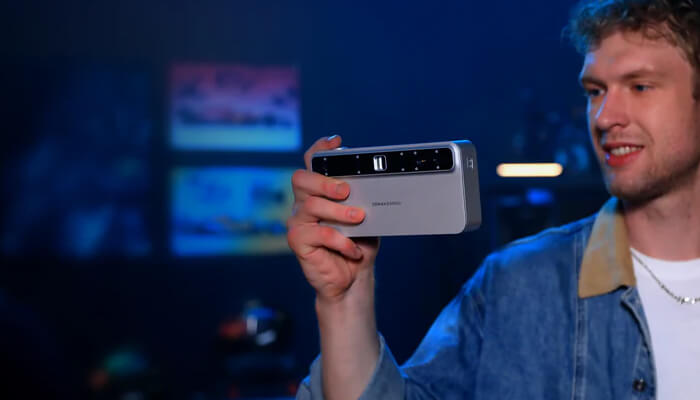
For those looking to streamline wide-area layout capture, brands like the 3DMakerPro offer a balance of portability, precision, as well as ease of use. For example, the Eagle model is designed for capturing larger environments with reliable accuracy, making it suitable for both indoor and outdoor applications.
Its features typically include:
- High-speed scanning capabilities
- Stable tracking across wide areas
- User-friendly software integration
This type of solution allows users to move freely while capturing data, reducing setup time and improving workflow efficiency.
Actionable Tips for Better LiDAR Scanning Results
To get the most out of your scanning process:
Prepare the Environment
- Remove unnecessary obstacles when possible
- Ensure adequate lighting for hybrid systems
Plan Your Scan Path
- Move steadily and avoid sudden changes
- Cover all angles to minimize blind spots
Optimize Settings
- Adjust resolution based on project needs
- Balance detail with file size for efficiency
Review Data Immediately
- Check for missing areas
- Rescan if needed before leaving the site
Supporting Insights
Research has shown that LiDAR-based measurements can achieve accuracy within millimeters under optimal conditions, making it one of the most reliable spatial capture technologies available today. Additionally, studies on digital modeling highlight how 3D scanning reduces project errors and improves collaboration across teams.
Conclusion
Capturing wide-area layouts doesn’t have to feel like a slow, complicated process anymore. With a lidar 3d scanner in the mix, the whole experience becomes quicker, more accurate, and far less stressful, whether you’re working on a small project or something much larger.
Across fields like architecture and environmental mapping, LiDAR is quietly reshaping how people record and understand physical spaces. It takes what used to be a tedious task and turns it into something far more manageable. When you pair the right tools with a bit of planning and good technique, the workflow naturally becomes smoother, and the results speak for themselves.
Looking ahead, it’s clear that this technology isn’t going anywhere. If anything, it’s only getting better. Getting comfortable with LiDAR now isn’t just practical, it’s a way to stay ahead and work smarter in a world that’s increasingly driven by precision and digital insight.
