


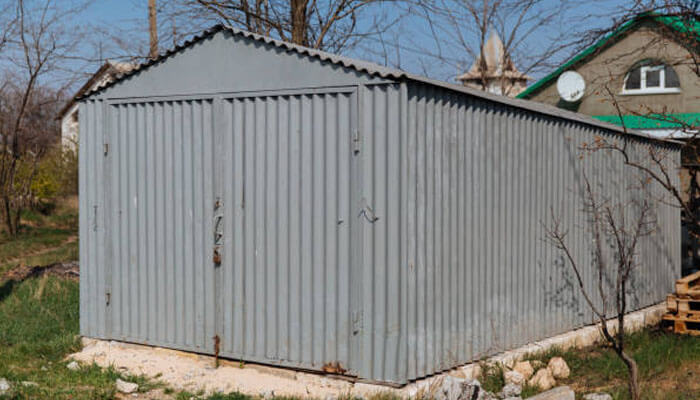

In the United States, home improvement and small construction projects continue to grow as property owners look for better ways to protect equipment, organize materials, and expand usable space. A metal garage shed has become a practical solution in this environment because it offers enclosed storage without the complexity of a full permanent building. For homeowners, contractors, and small business operators, this type of structure can support vehicle storage, tool protection, and work area organization.
Why Metal Garage Sheds Matter in the United States
Across many regions, changing weather conditions, rising material costs, and the need for flexible outdoor storage have increased interest in metal garage sheds. A structure such as the Metal Garage Shed can help protect tools, building supplies, and maintenance equipment from rain, sun, and debris. In residential and light commercial settings, this practical use can improve both property management and day to day workflow.
Common Uses in Home Improvement and Construction
Metal garage sheds are often used for more than vehicle storage. In home improvement and construction work, they can support:
- Storage of lawn care and renovation tools
- Protection of wood, hardware, and building materials
- Covered space for maintenance or light repair work
- Temporary support space during remodeling projects
- Organization of supplies for small business operations
Efficiency, Safety, and Productivity
A well planned storage structure can reduce wasted time and improve site safety. When tools and materials are stored in a clear and protected location, users spend less time searching for equipment and more time completing work. Better organization also reduces the risk of trip hazards, weather damage, and unnecessary material replacement.
Technical Considerations Before Installation

Before selecting a metal garage shed, buyers should review several practical factors:
- Available floor space and property layout
- Door height and width for vehicles or large equipment
- Roof height for storage clearance and airflow
- Foundation type, such as concrete slab or prepared base
- Local climate, wind exposure, and drainage conditions
Factors That Affect Long Term Performance
Performance depends on correct installation and regular upkeep. Ground stability, anchoring strength, ventilation, and moisture control all influence how well the structure performs over time. Poor drainage or weak site preparation can reduce safety and shorten service life.
Safety Best Practices
- Install the shed on a level and stable surface
- Follow load and anchoring guidance carefully
- Keep walkways and entry points clear
- Store heavy tools in stable positions
- Inspect doors, fasteners, and roof panels regularly
Tools, Equipment, and Accessories
Common accessories include shelving, tool racks, locks, lighting, ventilation panels, and floor protection materials. These additions improve usability and help adapt the structure to changing project needs.
Advantages, Limitations, and a Real Use Case
Main advantages include durability, organized storage, and efficient use of outdoor space. Limitations may include the need for proper site preparation and less insulation than a fully finished building.
A common example is a contractor using a metal garage shed during a residential renovation project. Instead of leaving tools and materials exposed on site, the contractor stores them inside the structure, reducing weather damage and improving daily setup time.
Conclusion and Industry Direction
Metal garage sheds remain a useful option for home improvement, construction, and small business storage in the United States. Their value comes from practical protection, better organization, and flexible use. Looking ahead, demand is likely to grow as property owners seek efficient storage solutions with simpler installation requirements. TMG is also becoming more visible in the United States market as buyers continue to look for durable structures that support practical work and property improvement needs.
