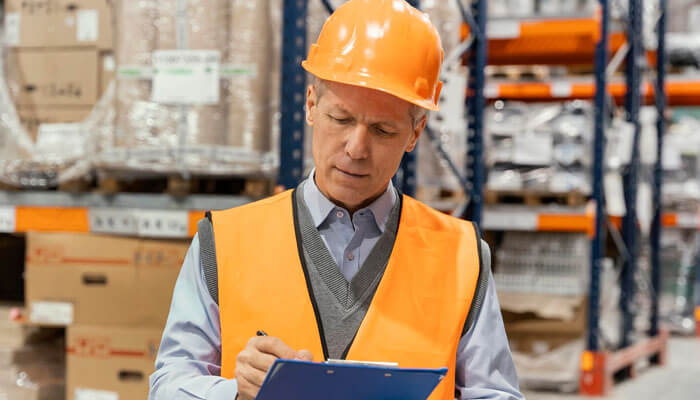
Logistics jobs are, first of all, physically very challenging. They are also very fast, and a lot of times there are hidden dangers that even the wise ones can’t spot. A warehouse at 6 in the morning, a loading dock when it is full, a delivery driver who has to make his fifteenth delivery these are some of the contexts where a small mistake might lead to very big troubles in no time. And this is exactly where the smart gear is making a difference. “Smart gear” is a term that refers to a lot of different types of connected and sensor-equipped tools: from safety vests with monitoring capabilities to gloves with GPS, helmets with proximity alert systems, boots that can determine the fatigue level of the wearer based on the way he/she is moving, and a lot more. What makes them all the same is that they are capable of collecting data in real-time and reacting to it either by making the worker aware, initiating a response from the system, or delivering the information to the supervisor even before an accident takes place.
It’s not about using gadgets to substitute old-time workers. It is about providing the workforce with safer tools for performing dangerous tasks so that they don’t have to suffer the consequences of their jobs.
Real-Time Hazard Detection Changes the Game
One of the greatest shortcomings of the conventional safety procedures is that they are merely reactive. You put up a warning sign only after someone has been injured. You revise the safety manual only after an incident report. Smart safety equipment changes this by detecting hazards right at the moment rather than after the fact.
Proximity sensors that are built in vests or helmets, for example, can warn workers when they are getting too close to forklifts, heavy machinery, or moving vehicles. Some systems vibrate, some make a sound, and more sophisticated ones can even slow down the nearby equipment automatically. For anyone who has worked on a hectic warehouse floor, this type of feedback is really appreciated because forklifts move fast and not all sightlines are clear.
Gas detection is another point where real-time monitoring is very beneficial. Wearable devices that sense the levels of CO2, methane, or volatile organic compounds are very effective in alerting workers and no wall-mounted sensor can provide such a warning especially in confined spaces or during temporary events such as an unexpected spill.
Fatigue Monitoring Prevents the Accidents Nobody Plans For
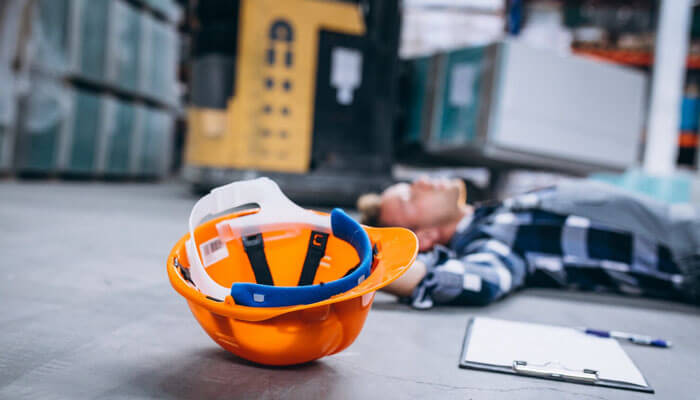
Fatigue remains one of the most overlooked risk factors in logistics. Drivers often cover long distances, warehouse staff work long hours, and none of them realize how compromised they are until it’s too late. That’s when smart equipment discreetly proves its value.
Several wearable devices that keep track of heart rate variability, skin temperature, and movement patterns can detect the physiological signs of fatigue even before an individual becomes a hazard to themselves or others. At the moment a driver’s focus wavers or a picker shows signs of worsening coordination, these devices get in touch either with a suggestion a break or with a notification sent to fleet managers instantly.
For businesses operating extensive fleets of drivers, smart steering wheel sensors and in-cab eye-tracking systems have gradually become the norm. They are capable of recognizing microsleep instances, very long eye closures, and unpredictable steering behaviors. Here, the objective is neither monitoring nor spying but providing timely help that prevents a crisis from happening rather than dealing with the consequences later.
Ergonomic Wearables Reduce Cumulative Injury
Logistics is among the largest sectors experiencing musculoskeletal disorders – those silent, slow-burning injuries that stem from years of repetitive lifting, awkward postures, and little recovery time. Smart gear is beginning to offer solutions in ways that really count.
Exoskeleton vests and back-support wearables help to lessen the physical pressure on the lumbar region during repetitive lifting tasks. These are not the heavy robotic suits of sci-fi movies; today’s versions are light, flexible, and can be worn for an entire shift without restricting movement. Some are passive (spring-loaded) and others are active (motorized), depending on the requirements of the task.
Even more recently, motion-capture wearables integrated into clothes have been utilized to monitor how one lifts in real-time. For instance, when a worker habitually bends the waist instead of the knees, the system records it and corrects the technique by giving audio or vibration signals. Gradually, this type of feedback works to lessen the injury burden that accumulates quietly over several months and years.
Connected Equipment Makes Fleet and Asset Safety Manageable
Smart gear isn’t just about what employees put on – it also includes the vehicles and machinery they use. GPS tracking, load sensors, and telematics systems are giving logistics managers not only the ability to see the location of their assets live but also how they are being utilized and if they are operating safely. For instance, forklift telematics can indicate if the forklift driver is braking hard, overloading the equipment, or driving too fast within the facility.
Such data are used to find patterns identifying the specific areas within the facility where the accidents typically happen, times of day when the risk is highest, or individual operators who might require extra training. The information is only helpful when it is acted upon, but having it is a lot better than depending solely on incident reports.
For companies looking to equip their teams with safety-forward logistics gear, platforms like pandaloo.ch offer a range of smart workwear and equipment designed with exactly these operational realities in mind, built for durability in demanding environments while integrating the monitoring capabilities modern operations depend on.
Training and Compliance Get a Measurable Boost
One of the less widely recognized advantages of smart gear is how it supports training and accountability. Whenever equipment and wearables generate data, such data can be leveraged to confirm whether safety procedures are really adhered to instead of just whether workers have been marked present in a training module. A manager will be able to tell not only if PPE is being used correctly, but also whether workers are steering clear of the hazard zones, and how often safety systems are being triggered and ignored.
This is not about micro-managing but more about having an objective reference that makes coaching discussions easier and compliance efforts more trustworthy. In the long run, this data enables companies to adjust their safety measures based on the actual behavior rather than the presumed one. The difference between these two is usually where the accidents happen.