


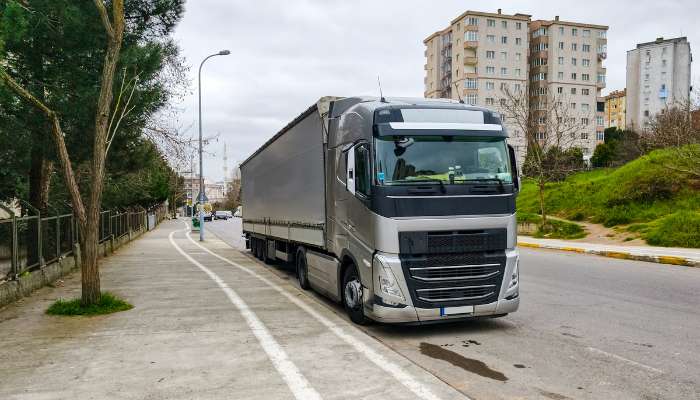

- Longer distances
- Differing jurisdictions.
In this guide, we will explain how interstate freight works. This will help you to avoid delays, unexpected costs, and operational hiccups.
Understanding the costs
First and foremost, clear pricing! An interstate freight quote considers several factors that affect your cargo. These include:
Distance between origin and destination
- Load size
- Cargo weight
- Freight volume
- Mode of transport (full load or partial load)
- Urgency and delivery timeframe.
To get a precise quote, you must provide accurate information about your cargo.
Incomplete or inaccurate details can result in:
- Revised rates
- Delayed shipments
- Rejection of bookings.
Choosing the right transport method
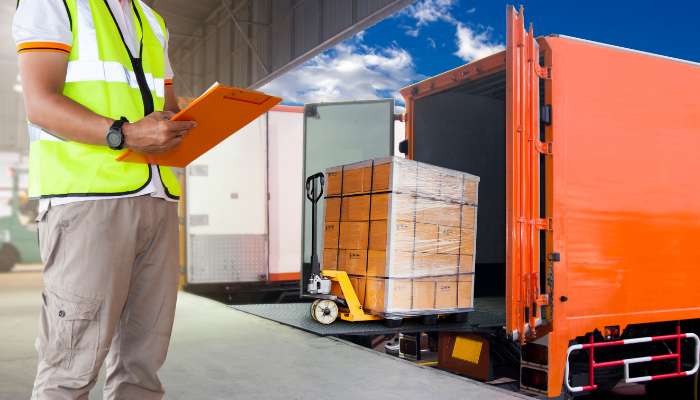
In Australia, there are generally two types of interstate freight:
Full Truckload
You use an entire truck for your shipment. This is ideal when:
- You have bulk cargo
- You need faster delivery times
- You need minimal handling.
Less Than Truckload
Your items are combined with others. This is ideal if:
- Your load is smaller
- Cost efficiency is a priority
- Timing is not critical.
The best choice is based on your business priorities in terms of:
- Time
- Cost
- Volume
Key routes and transit considerations
Australia’s major freight corridors connect cities such as:
- Sydney
- Melbourne
- Brisbane
- Perth
But transit times can vary due to:
- Distance and road conditions
- Weather disruptions
- Regional access limitations.
Plan for extra time. Particularly on longer trips. If you don’t allow buffer time, you risk delaying other appointments.
Compliance and documentation
Every state has transport requirements. Especially for heavy and oversize loads. You may need:
- Permits for specific routes
- Load restraint compliance
- Documentation for hazardous or sensitive goods.
A good freight company will handle these items. But you will need to provide details of the consignment.
Packaging and load security
Packaging plays a critical role in interstate transport. Shipments pass through a series of:
- Checkpoints
- Depots
- Handling points.
Poor packaging increases the risk of:
- Damage
- Loss
- Delays due to rehandling.
Pack properly. Secure and label everything.
Pay extra attention to fragile or odd-shaped shipments.
Technology and tracking visibility
Visibility is important for long-haul transport. Today’s carriers have real-time tracking systems. This helps you keep track and react to problems.
Look for providers that offer:
- GPS tracking
- Status notifications
- Direct communication channels.
This builds confidence. It allows you to set expectations with your customers or departments.
Readiness and reliability of equipment
Equipment plays a crucial role in transport efficiency. Long-haul interstate vehicles need to be prepped to avoid equipment failure and service outages.
One overlooked factor is the condition of a truck battery. It plays a critical role in vehicle reliability, especially during:
- Long-haul operations
- Extreme weather conditions.
Mechanical breakdowns can delay shipments. Partner with carriers that focus on maintenance. This will minimize this threat.
Carrier network and coverage
Not all freight providers have the same reach. Some rely on third-party networks to complete deliveries. This can affect consistency and timing.
You should check:
- Coverage across all required states
- Strength of carrier partnerships
- Capacity to deliver goods to remote regions.
A good network means less downtime.
Final words
With good planning and the right supplier, you minimize risk. You also improve delivery performance. This translates into improved outcomes for your business and customers.
