



Introduction
Change moves fast across online environments, pushed forward through cloud usage alongside growth in remote employment. With businesses moving beyond central data hubs, older methods of connecting systems and protecting information lose relevance. Access happens everywhere today; workers connect to software from shifting places on different machines, urging updates to how networks take shape. In this new landscape, SASE vs VPN vs SD-WAN becomes a critical comparison, as these technologies shape the future of network security and connectivity. From scattered entry points rises the need for a flexible structure beneath connections.
For today’s business technology planning, knowing distinctions among older tools such as Virtual Private Networks (VPNs) and recent advances including Software-Defined Wide Area Network (SD-WAN), alongside the integrated model called Secure Access Service Edge (SASE), matters greatly. The focus lies less on login location and more on adaptation of protection as users move.
The Past of Virtual Private Networks and the Growth of Software-Defined Networking
Many years ago, remote connections relied on the VPN. A protected pathway formed between worker and company system. Yet these systems emerged when information stayed within headquarters. With digital services moving online, old models struggled. Instead of direct routes, data headed first to main offices, even when bound for web-based tools. Detours like this slow response times, weakening performance unexpectedly.
Emerging as a response to sluggish traditional WAN performance, SD-WAN separates control functions from physical devices. Through software-based oversight, firms gain smoother management of distant connections. Branch locations reach cloud tools faster thanks to smarter path selection and local internet entry points. SASE vs VPN vs SD-WAN presents key differences for businesses as they transition to cloud-first strategies.
What is SASE?
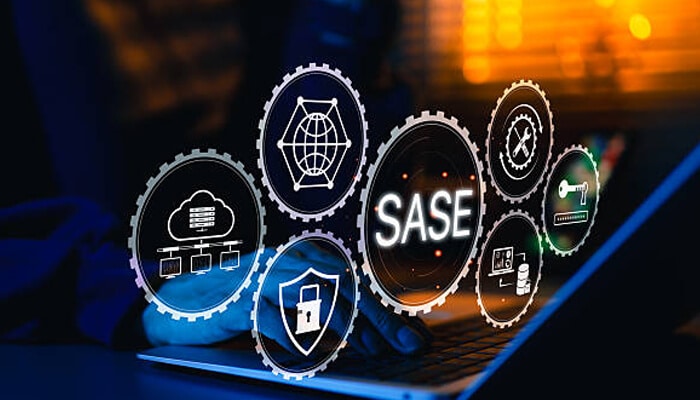
When companies face challenges handling distinct network and security systems, an alternative approach appears. What is SASE? This model combines connectivity solutions like SD-WAN alongside robust protections, including firewall services, web filtering, and cloud access oversight, within one unified platform delivered through the cloud.
Operating as a single unit, connected functions blend access controls with security measures without gaps. Oversight becomes easier when workflow gains clarity through integration. Regardless of location or equipment used, rules remain consistent across environments. Handling risk shifts when proximity to entry points alters response patterns.
How Businesses Pick Their Path
How some groups adjust systems defines progress more than picking tools. Though SD-WAN strengthens central connections, security from SASE supports distant workers. Choosing between SASE vs VPN vs SD-WAN depends on specific business needs, such as scale, security, and remote access requirements.
When changes occur, understanding them requires depth. Working alongside a skilled managed cybersecurity service provider allows companies to build a customised SASE structure. Direction appears as confidence systems shift, rules extend across borders, and threats arise without pause.
A shift toward structured control becomes noticeable when enterprises navigate complex online landscapes with support from Tata Communications. Where function follows intent, balance often appears naturally.
The Future of Network Security
Undoubtedly, transformation influences future outcomes. With more people working remotely and relying on cloud systems, companies now seek ways to adapt, methods flexible enough, built strong, yet simple in structure.
Deciding on a managed cybersecurity service provider for SASE adoption goes beyond technology; it shapes how swiftly an organisation adapts and grows. Such moves reflect long-term planning more than technical setup alone might suggest. Flexibility in operations often follows when security aligns with broader enterprise goals. Direction changes become smoother under these conditions. Preparedness for future shifts starts here, quietly. Business momentum builds differently once infrastructure supports dynamic needs.
